Cosmetic Grade Urea-Natural Moisturizing Factor(CAS 57-13-6)
Product Name: Urea (Carbamide)
INCI Name: UREA
Common Name: Carbonyl diamide, Carbonyldiamine, Diaminomethanone
CAS Number: 57-13-6
EINECS Number: 200-315-5
Molecular Formula: CH₄N₂O / CO(NH₂)₂
Molecular Weight: 60.06 g/mol
Product Purity: ≥99.0%, cosmetic premium grade
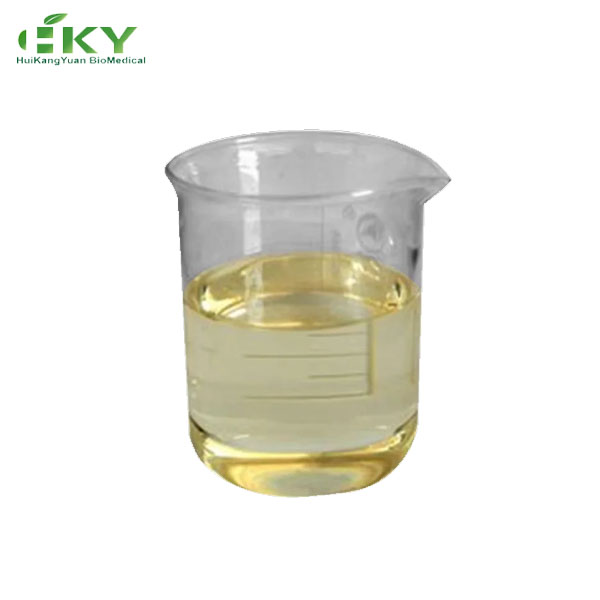
Appearance: Colorless prismatic crystals or white crystalline powder, almost odorless, salty-cool taste
Shelf Life: 24 months under sealed cool, dry and dark storage
Urea, Carbamide, cosmetic grade urea, natural moisturizing factor, NMF ingredient, keratolytic agent, gentle exfoliant, dry skin treatment, skin barrier repair, penetration enhancer
Cosmetic Grade Urea-Natural Moisturizing Factor(CAS 57-13-6)
Urea, also known as carbamide, is a naturally occurring organic compound that is an essential component of the skin's Natural Moisturizing Factor (NMF), accounting for approximately 7% of total NMF content. Naturally produced by the human body as part of normal metabolic processes, urea plays a vital role in maintaining skin hydration and barrier function. In skincare, urea is a multifunctional active ingredient with concentration-dependent effects: at low concentrations (2–10%), it acts as a powerful humectant that attracts and retains moisture in the stratum corneum, softens keratin, and improves skin elasticity; at higher concentrations (above 10%), it exhibits keratolytic properties, gently breaking down the bonds between dead skin cells to promote natural exfoliation and smooth rough texture. Additionally, urea enhances skin barrier function, reduces transepidermal water loss (TEWL), and acts as a penetration enhancer to improve the delivery of other active ingredients. As a naturally-derived ingredient with excellent safety profile and proven efficacy, urea is widely used in moisturizers, body lotions, hand creams, foot care products.

Key Benefits
• Powerful moisturizing ability, key component of skin's Natural Moisturizing Factor (NMF), ~7% of NMF
• Keratin softening effect, softens hardened keratin, improves rough and dry skin
• Gentle exfoliation (at concentrations >10%), promotes natural shedding of dead skin cells
• Enhances skin barrier function, reduces transepidermal water loss (TEWL)
• Penetration enhancing effect, helps other active ingredients be better absorbed by skin
• Improves skin elasticity, reduces tightness and flaking
• Excellent water solubility, strong formulation compatibility, easy to incorporate
• Naturally present in human skin, excellent biocompatibility
• Multifunctional — moisturizing at low concentrations, exfoliating at high concentrations, wide application range
Applications
• Moisturizing creams, lotions & serums: Recommended dosage 2%–10%
• Body lotions & moisturizers: Recommended dosage 3%–10%
• Hand creams & foot creams: Recommended dosage 5%–20%
• Exfoliating products, peeling serums: Recommended dosage 10%–30%
• Shampoos & hair conditioners: Recommended dosage 0.5%–3%
• Facial masks (sheet masks, wash-off masks): Recommended dosage 2%–8%
• Toners & lotions: Recommended dosage 1%–5%
• Anti-aging products, anti-wrinkle creams: Recommended dosage 3%–8%
• Baby care products (low concentration): Recommended dosage 0.5%–2%
Certificate Of Analysis (COA)
Test Item | Standard Requirement | Test Result | Test Method |
Appearance | Colorless prismatic crystals or white crystalline powder, almost odorless | Complied | Visual & Olfactory Inspection |
Assay (Content) | ≥99.0% | 99.5% | Titration Method / HPLC |
Melting Point | 132–135°C | 133.5°C | Melting Point Apparatus |
pH Value (10% Aqueous Solution) | 6.0–8.0 | 7.2 | pH Meter |
Loss on Drying | ≤0.5% | 0.2% | Gravimetric Method |
Residue on Ignition | ≤0.1% | 0.05% | Gravimetric Method |
Clarity | Clear | Clear | Visual Inspection |
Biuret | ≤0.2% | 0.08% | Spectrophotometry |
Ammonia | ≤0.005% | 0.002% | Nessler's Reagent Method |
Chloride | ≤0.001% | 0.0005% | Silver Nitrate Turbidimetry |
Heavy Metal (as Pb) | ≤10 ppm | <2 ppm | ICP-MS |
Arsenic (As) | ≤2 ppm | <0.5 ppm | ICP-MS |
Total Aerobic Bacteria | ≤1000 CFU/g | <10 CFU/g | Plate Count Method |
Mold & Yeast | ≤100 CFU/g | <10 CFU/g | Plate Count Method |
Escherichia Coli | Negative | Not Detected | National Standard Test |
Conclusion | Meet global cosmetic grade Urea standard | Qualified | / |
Frequently Asked Questions (FAQ) & Document Request Frequently Asked Questions (FAQ) & Document Request
Q1: How does urea moisturize the skin? How does it compare to glycerin and hyaluronic acid?
A: Urea moisturizes through multiple mechanisms: 1) As a humectant, it draws water from the environment into the stratum corneum; 2) It helps keratin fibers in the skin maintain their hydrated structure, improving elasticity; 3) It enhances skin barrier function, reducing water loss. Compared to glycerin and hyaluronic acid, urea has unique advantages: unlike glycerin which can feel sticky and may draw water from deeper skin layers in very dry environments, urea provides deeper, longer-lasting hydration without the sticky feel. Unlike hyaluronic acid which is a large molecule that mainly works on the skin surface, urea is a small molecule that can penetrate deeper into the stratum corneum. Additionally, urea offers unique benefits that glycerin and HA don't have: keratin softening, gentle exfoliation at higher concentrations, and penetration-enhancing effects. Most premium moisturizing formulations combine multiple humectants — urea for deep NMF-level hydration, glycerin for immediate moisture, and HA for surface plumping — to achieve multi-layered hydration.
Q2: How does urea exfoliate the skin? How does it compare to AHAs and BHAs like glycolic acid and salicylic acid?
A: Urea exfoliates through its keratolytic effect — at concentrations above 10%, it disrupts the hydrogen bonds between keratin proteins in dead skin cells, weakening the cohesion between corneocytes and promoting their natural shedding. Compared to chemical exfoliants like AHAs (glycolic acid, lactic acid) and BHA (salicylic acid), urea exfoliation is gentler and works differently: AHAs dissolve the "glue" between dead skin cells by breaking desmosomal bonds, providing more aggressive exfoliation but also higher potential for irritation; BHA (salicylic acid) is oil-soluble and can penetrate into pores, making it better for acne-prone skin; Urea works by hydrating and softening keratin, making the exfoliation process much gentler and less irritating. Urea is particularly suitable for sensitive, dry, or compromised skin that cannot tolerate acid exfoliants. It also provides moisturizing benefits at the same time, whereas acid exfoliants can be drying. For very dry, thick, or scaly skin conditions like ichthyosis or psoriasis, high-concentration urea (20–40%) is actually more effective than acid exfoliants because it both hydrates and exfoliates simultaneously.
Q3: How should urea be added in formulation? Are there any contraindications or special considerations?
A: Urea is water-soluble and very easy to formulate with. It is typically added to the water phase and dissolves readily at room temperature or with gentle heating. Key considerations: 1) pH compatibility — urea is most stable in the pH range of 4.0–8.0, which covers most cosmetic products; at very high pH (above 9), it may decompose more rapidly releasing ammonia; 2) It is compatible with most cosmetic ingredients including other humectants, emulsifiers, preservatives, and active ingredients; 3) Since urea is hygroscopic (absorbs moisture from air), proper handling and storage of the raw material is important to prevent caking; 4) It works synergistically with other moisturizing ingredients — combining with glycerin, hyaluronic acid, panthenol, or ceramides can enhance overall moisturizing and barrier repair effects; 5) For high-concentration urea products (above 10%), ensure proper formulation to avoid potential irritation, and consider adding soothing ingredients; 6) Urea can react with aldehydes and reducing sugars (Maillard reaction), which may cause browning over time in formulations containing those ingredients. There are no major known contraindications, and urea is generally considered a very safe and compatible cosmetic ingredient.
Contact Us
💌 Contact us today for technical data, formulation guidance, and competitive pricing! E-mail:
You Might Also Like
1.ur Products A full range of high-quality cosmetic raw materials, including plant extracts, natural active ingredients, skin care actives and formulation additives. Stable supply & strict quality control.