Sodium Pyrrolidone Carboxylate,PCA-Na(CAS 28874-51-3)
Product Name: Sodium Pyrrolidone Carboxylate (Sodium PCA, PCA-Na)
INCI Name: SODIUM PCA
Common Name: Sodium L-pyroglutamate, L-Pyroglutamic Acid Sodium Salt
CAS Number: 28874-51-3
EINECS Number: 249-277-1
Molecular Formula: C₅H₆NNaO₃
Molecular Weight: 151.1 g/mol
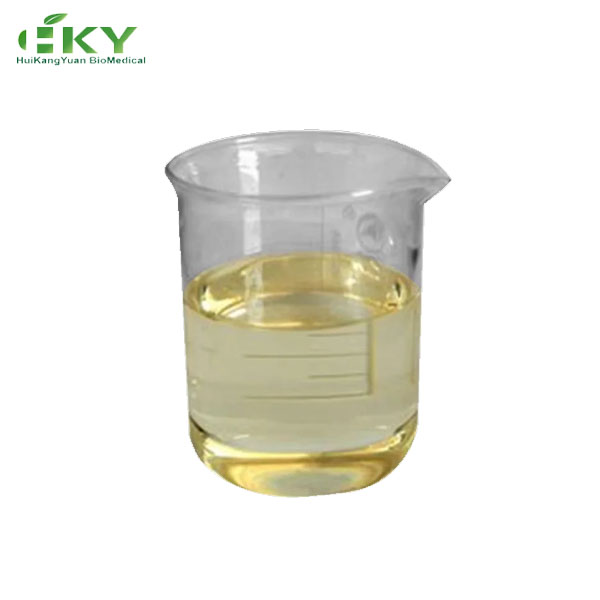
Appearance: Colorless to pale yellow transparent liquid, odorless
Shelf Life: 24 months under sealed cool, dry and dark storage
Sodium PCA, Sodium Pyrrolidone Carboxylate, PCA-Na, natural moisturizing factor, NMF ingredient, superior humectant, skin barrier repair, hair conditioning anti-static, sensitive skin moisturizer, non-comedogenic humectant
Sodium Pyrrolidone Carboxylate,PCA-Na(CAS 28874-51-3)
Sodium Pyrrolidone Carboxylate, commonly known as Sodium PCA or PCA-Na, is the sodium salt of pyroglutamic acid and one of the most important components of the skin's Natural Moisturizing Factor (NMF), accounting for approximately 12% of NMF composition. Naturally present in human skin, it plays a crucial role in maintaining skin hydration and barrier function. Unlike glycerin which can feel sticky and may draw moisture from deeper skin layers in very dry environments, Sodium PCA delivers superior moisturization with a lightweight, non-greasy feel. Its excellent water-binding capacity helps the stratum corneum retain moisture even under low-humidity conditions. As a naturally-derived amino acid derivative, it is extremely gentle, non-irritating to both skin and eyes, and has a comedogenicity rating of 0, making it suitable for all skin types including sensitive, acne-prone, and baby skin. Widely used in premium skincare, haircare, and personal care products, Sodium PCA is recognized as one of the most effective and safest natural humectants in the cosmetic industry.

Key Benefits
• Superior moisturizing power, key component of skin's Natural Moisturizing Factor (NMF), ~12% of NMF
• Better hygroscopicity than glycerin, retains moisture effectively even in low humidity environments
• Lightweight non-greasy skin feel, lower viscosity than glycerin, comfortable to use
• Strengthens skin barrier function, reduces transepidermal water loss (TEWL)
• Extremely gentle and safe, virtually non-irritating to skin and eye mucosa, ideal for sensitive skin
• Excellent hair conditioning, reduces static electricity, improves hair shine and combability
• Natural origin, derived from plant-based sodium glutamate
• Excellent water solubility, strong formulation compatibility, easy to incorporate
• Regulates stratum corneum function, enhances skin's own moisturizing ability
• Non-comedogenic (Grade 0), suitable for all skin types including acne-prone skin
Applications
• Moisturizing creams, lotions & serums: Recommended dosage 1%–5%
• Sensitive skin repair products, barrier repair creams: Recommended dosage 2%–5%
• Toners, essences & lotions: Recommended dosage 1%–3%
• Facial masks (sheet masks, wash-off masks): Recommended dosage 1%–4%
• Shampoos, hair conditioners & hair masks: Recommended dosage 0.5%–3%
• Body lotions & moisturizers: Recommended dosage 0.5%–2%
• Cleansing products (face wash, body wash): Recommended dosage 0.2%–1%
• Baby care products (baby lotion, diaper cream): Recommended dosage 0.5%–2%
• Lip care products (lip balm, lip mask): Recommended dosage 0.5%–2%
• Sunscreen products: Recommended dosage 1%–3%
Certificate Of Analysis (COA)
Test Item | Standard Requirement | Test Result | Test Method |
Appearance | Colorless to pale yellow transparent liquid, odorless | Complied | Visual & Olfactory Inspection |
Active Content | 48%–52% | 50.3% | Titration / Nitrogen Content Conversion |
pH Value | 6.5–7.5 | 7.1 | pH Meter |
Relative Density (25°C) | 1.25–1.30 g/cm³ | 1.27 g/cm³ | Hydrometer Method |
Transmittance (430nm) | ≥96% | 98.2% | Spectrophotometry |
Nitrogen Content | 4.45%–4.82% | 4.65% | Kjeldahl Method |
Color (APHA) | ≤50 | 25 | Platinum-Cobalt Colorimetry |
Chloride | ≤0.5% | 0.12% | Silver Nitrate Titration |
Iron (Fe) | ≤10 ppm | <2 ppm | ICP-MS |
Heavy Metal (as Pb) | ≤10 ppm | <2 ppm | ICP-MS |
Arsenic (As) | ≤2 ppm | <0.5 ppm | ICP-MS |
Total Aerobic Bacteria | ≤100 CFU/g | <10 CFU/g | Plate Count Method |
Mold & Yeast | ≤10 CFU/g | Not Detected | Plate Count Method |
Escherichia Coli | Negative | Not Detected | National Standard Test |
Conclusion | Meet global cosmetic grade Sodium PCA standard | Qualified | / |
Frequently Asked Questions (FAQ) & Document Request Frequently Asked Questions (FAQ) & Document Request
Q1: How does Sodium PCA's moisturizing effect compare to hyaluronic acid and glycerin?
A: Sodium PCA, hyaluronic acid (HA), and glycerin are all excellent humectants but differ in mechanism and skin feel. Glycerin is a small molecule with strong water absorption but can feel sticky and may draw moisture from deeper skin layers in extremely dry environments. Hyaluronic acid is a large molecule that forms a hydrating film on the skin surface and provides plumping effects. Sodium PCA stands out because: 1) It is naturally present in skin as part of NMF, giving it excellent skin affinity; 2) Its hygroscopic capacity is stronger than glycerin at the same concentration, especially in low humidity; 3) It has a much lighter, non-sticky feel compared to glycerin; 4) It penetrates better into the stratum corneum to enhance skin's own moisturizing ability. Most premium formulations combine all three for multi-level hydration: surface film (HA), immediate moisture (glycerin), and NMF-level deep hydration (Sodium PCA).
Q2: Why is Sodium PCA considered an important component of the Natural Moisturizing Factor (NMF)?
A: The Natural Moisturizing Factor (NMF) is a complex mixture of water-soluble compounds found in the stratum corneum that maintains skin hydration. Sodium PCA (the salt form of pyrrolidone carboxylic acid) is one of the most abundant components of NMF, accounting for approximately 12% of total NMF content — second only to amino acids. It is naturally produced in the skin from the breakdown of filaggrin, a key protein in the stratum corneum. As a natural osmolyte, Sodium PCA helps regulate water balance within keratinocytes and maintains the structural integrity of the stratum corneum. Its presence is essential for healthy skin barrier function, and reduced NMF levels (including PCA) are associated with dry skin conditions like xerosis and atopic dermatitis. Topical application of Sodium PCA helps replenish depleted NMF and restore natural skin hydration.
Q3: How should Sodium PCA be added in formulation? Are there any special considerations?
A: Sodium PCA is water-soluble and very easy to formulate with. It is typically added to the water phase and can be added at room temperature or during the heating phase (it is heat-stable up to 80–90°C). Key considerations: 1) pH compatibility — works best in the pH range of 4.5–8.0, which covers most cosmetic products; 2) It is compatible with most cosmetic ingredients including other humectants, emulsifiers, preservatives, and active ingredients; 3) Since it is a 50% aqueous solution, the water content should be accounted for in formulation calculations; 4) It works synergistically with other humectants — combining with glycerin, hyaluronic acid, panthenol or urea can enhance moisturizing effects; 5) It is not oil-soluble, so it cannot be directly incorporated into anhydrous formulations without a solubilizer. There are no major known contraindications.
Contact Us
💌 Contact us today for technical data, formulation guidance, and competitive pricing! E-mail:
You Might Also Like
1.ur Products A full range of high-quality cosmetic raw materials, including plant extracts, natural active ingredients, skin care actives and formulation additives. Stable supply & strict quality control.