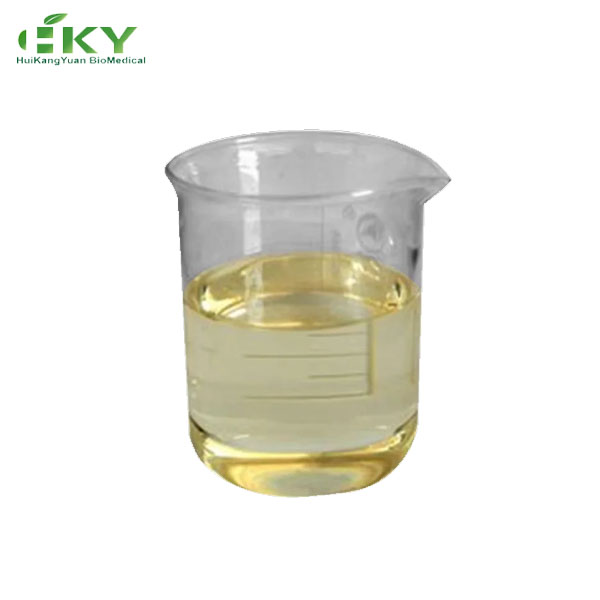

Tinosorb M, Methylene Bis-Benzotriazolyl Tetramethylbutylphenol -CAS 103597-45-1
Product Name: Tinosorb M (Methylene Bis-Benzotriazolyl Tetramethylbutylphenol)
INCI Name: METHYLENE BIS-BENZOTRIAZOLYL TETRAMETHYLBUTYLPHENOL
CAS Number: 103597-45-1
EINECS Number: 403-800-1
Molecular Formula: C₄₁H₅₀N₆O₂
Molecular Weight: ~658.9 g/mol
Appearance (Dispersion): Milky white to pale yellow liquid / suspension
Appearance (Pure Powder): White to pale yellow fine powder
Odor: Odorless or very faint characteristic odor
Product Purity (Pure): ≥98.0%
Packaging: 1kg sample bottle, 25kg plastic drum
Shelf Life: 24 months
Storage: Store in cool, dry, well-ventilated area, keep sealed, protect from light and heat
Tinosorb M, Methylene Bis-Benzotriazolyl Tetramethylbutylphenol, Bisoctrizole, broad spectrum UV filter, hybrid sunscreen agent, photostable sunscreen, UVA UVB protection, BASF Tinosorb, cosmetic sunscreen ingredient
Tinosorb M, Methylene Bis-Benzotriazolyl Tetramethylbutylphenol -CAS 103597-45-1
Tinosorb M, with the INCI name Methylene Bis-Benzotriazolyl Tetramethylbutylphenol (MBBT) and CAS number 103597-45-1, is a revolutionary broad-spectrum hybrid UV filter developed by BASF that combines the advantages of both chemical and physical sunscreen agents in a single molecule. This unique nano-sized organic particulate filter works through a dual mechanism: it chemically absorbs UV radiation like a chemical sunscreen while also physically scattering light like a physical sunscreen, providing exceptionally comprehensive protection across both UVA and UVB spectra with dual absorption peaks at approximately 305 nm and 360 nm. Renowned for its extraordinary photostability, Tinosorb M barely degrades under prolonged UV exposure, maintaining its protective efficacy for extended periods and also helping to stabilize other less photostable sunscreen agents like Avobenzone. Because it does not significantly penetrate the skin and remains on the surface, it is extremely well-tolerated and suitable for sensitive skin, baby products, and post-procedure skincare. With regulatory approval in China (max 10%), the EU (max 10%), and Japan, Tinosorb M is a premium choice for formulators seeking high-performance, broad-spectrum sun protection with excellent safety and stability profiles.

Key Benefits
• Broad spectrum protection: Covers both UVA and UVB, critical wavelength up to 390 nm
• Hybrid dual mechanism: Chemical absorption + physical light scattering
• Exceptional photostability: Virtually no degradation under UV exposure
• Nano-sized particles: Transparent finish, no white cast on skin
• Synergistic SPF boost: Enhances efficacy of other sunscreen agents
• No skin penetration: Remains on surface, excellent safety profile
• Antioxidant properties: Reduces free radical damage from UV exposure
• Sensitive skin friendly: Very low irritation, suitable for all skin types
• Photostabilizes others: Protects Avobenzone and other unstable filters
• Globally approved: China, EU, Japan and other major markets
Applications
• Broad spectrum sunscreens and lotions: Recommended usage 2%–10%
• Daily moisturizers with SPF: Recommended usage 1%–5%
• BB creams, CC creams, and foundations: Recommended usage 1%–8%
• Physical sunscreen formulations (with ZnO/TiO₂): Recommended usage 2%–8%
• Sensitive skin sunscreens and soothing sun care: Recommended usage 2%–8%
• Baby sun care products: Recommended usage 2%–5%
• Sunscreen sprays and mists: Recommended usage 2%–8%
• Lip sun care products (balms, lipsticks): Recommended usage 1%–5%
• Hair sun protection products: Recommended usage 1%–3%
• After-sun products with UV protection: Recommended usage 1%–3%
Certificate Of Analysis (COA)
Test Item | Standard Requirement | Test Result | Test Method |
Appearance | Milky white to pale yellow liquid | Complies | Visual inspection |
Active Content | 48.0%–52.0% | 50.2% | HPLC |
Purity (on dry basis) | ≥98.0% | 99.1% | HPLC |
pH Value (1% dispersion) | 6.0–8.0 | 7.2 | pH meter |
Particle Size (D50) | 100–200 nm | 145 nm | DLS / TEM |
Viscosity (25°C) | 500–3,000 mPa·s | 1,250 mPa·s | Viscometer |
UV Absorbance (360 nm) | ≥0.90 (0.001% solution) | 0.98 | UV-Vis spectrophotometer |
Moisture Content | 48%–52% | 49.8% | Karl Fischer |
Heavy Metals (as Pb) | ≤10 ppm | <5 ppm | ICP-MS |
Arsenic (As) | ≤2 ppm | <0.5 ppm | ICP-MS |
Lead (Pb) | ≤5 ppm | <1 ppm | ICP-MS |
Cadmium (Cd) | ≤3 ppm | <0.5 ppm | ICP-MS |
Mercury (Hg) | ≤1 ppm | <0.1 ppm | ICP-MS |
Total Aerobic Count | ≤100 CFU/g | <10 CFU/g | GB 4789.2 |
Mold & Yeast | ≤10 CFU/g | <10 CFU/g | GB 4789.15 |
E. coli | Absent | Absent | GB 4789.3 |
Pseudomonas aeruginosa | Absent | Absent | GB 4789.4 |
Staphylococcus aureus | Absent | Absent | GB 4789.10 |
Conclusion | Complies with cosmetic grade specifications | ||
Frequently Asked Questions (FAQ)
Q1: What makes Tinosorb M different from other sunscreen agents?
A: Tinosorb M is unique because it is a hybrid UV filter that combines both chemical absorption and physical light scattering mechanisms in a single molecule, which no other organic sunscreen achieves. Unlike pure chemical sunscreens that only absorb UV, or pure physical sunscreens that only scatter it, Tinosorb M does both, providing more comprehensive protection. It also has exceptional photostability – it barely degrades under UV exposure, unlike many chemical sunscreens like Avobenzone. Additionally, it has dual absorption peaks at ~305 nm (UVB) and ~360 nm (UVA), giving it very broad coverage with a critical wavelength up to 390 nm. Finally, it does not significantly penetrate the skin, making it extremely safe and well-tolerated, similar to physical sunscreens but without the white cast.
Q2: How does Tinosorb M compare to Tinosorb S (BEMT)?
A: Tinosorb M and Tinosorb S (Bis-Ethylhexyloxyphenol Methoxyphenyl Triazine / BEMT) are both premium broad-spectrum UV filters from BASF, but they have key differences. Tinosorb M is a hybrid organic-particulate filter supplied as an aqueous dispersion, while Tinosorb S is an oil-soluble chemical filter. Tinosorb M has dual absorption peaks at ~305 nm and ~360 nm, while Tinosorb S has its main peak at ~345 nm. Tinosorb M has better UVA II coverage and is more photostable, while Tinosorb S has slightly better overall UVA coverage. Tinosorb M does not penetrate the skin and is better for sensitive skin, while Tinosorb S is oil-soluble and easier to formulate in traditional emulsions. The two are often used together for synergistic broad-spectrum protection – their combination is considered one of the most effective sunscreen systems available, providing excellent UVA/UVB coverage with outstanding photostability and skin feel.
Q3: What is the shelf life and are there any formulation considerations?
A: Shelf life is 24 months in original sealed packaging under proper storage conditions. Store in a cool, dry, well-ventilated area away from direct sunlight and heat. Tinosorb M has excellent chemical stability and photostability, which contributes to its long shelf life. Important formulation considerations: Tinosorb M is typically supplied as a 50% aqueous dispersion and should be added to the water phase of your formulation. It is compatible with most cosmetic ingredients including other sunscreen agents, emulsifiers, and thickeners. It works exceptionally well with Tinosorb S for synergistic broad-spectrum protection. It also helps stabilize other less photostable sunscreen agents like Avobenzone. Because it is a particulate filter, it may slightly increase formulation viscosity and can affect the final product texture. Always conduct accelerated stability testing in your specific formulation to confirm shelf life performance, compatibility with other ingredients, and UV protection efficacy. Particle size distribution should be maintained to ensure consistent UV protection performance.
Contact Us
💌 Contact us today for technical data, formulation guidance, and competitive pricing! E-mail:
You Might Also Like
1.ur Products A full range of high-quality cosmetic raw materials, including plant extracts, natural active ingredients, skin care actives and formulation additives. Stable supply & strict quality control.