Sodium Laureth Sulfate(SLES 70%)
Product Name: Sodium Laureth Sulfate (SLES 70%)
INCI Name: Sodium Laureth Sulfate
CAS Numbers: 68585-34-2 (primary); 68891-38-3; 9004-82-4
EINECS Number: 500-234-8 / 209-553-4
Chemical Name: Polyoxyethylene Lauryl Ether Sulfate, Sodium Salt
Active Matter Content: 70.0% ± 2.0%
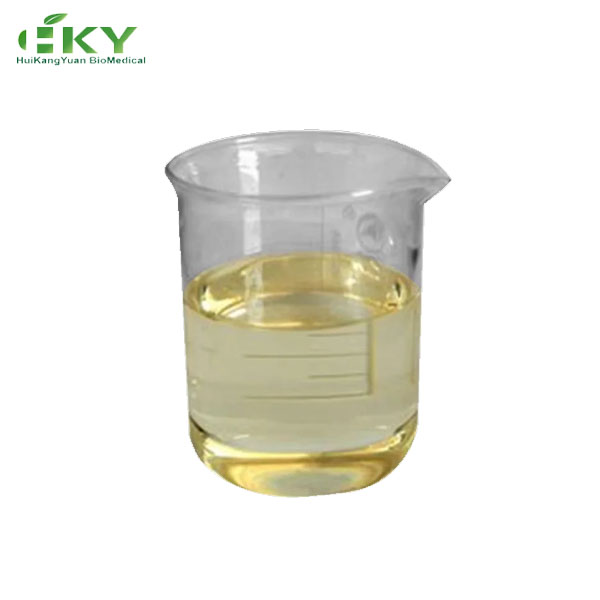
Appearance (25°C): White to pale yellow viscous paste / gel
Odor: Characteristic, mild detergent odor
pH (1% Aqueous Solution): 7.0 - 9.5
Unsulfated Matter: ≤3.5%
Sodium Chloride (NaCl): ≤0.5% (low-salt grade); ≤1.5% (standard)
Sodium Sulfate (Na₂SO₄): ≤1.5%
Color (Hazen / APHA): ≤50
Free Oil: ≤1.0%
Heavy Metals: ≤10 ppm
Density (25°C): ~1.05 g/cm³
Cloud Point: >100°C
Recommended Usage Level: 5% - 30% in final formulations
Shelf Life: 24 months under proper storage conditions
Sodium Laureth Sulfate, SLES 70%, CAS 68585-34-2, AES, anionic surfactant, shampoo raw material
Sodium Laureth Sulfate(SLES 70%)CAS 68585-34-2
Sodium Laureth Sulfate (SLES) is the world's most widely used anionic surfactant - found in over 70% of all shampoos, shower gels, and liquid soaps globally. Produced through ethoxylation of natural fatty alcohols (palm kernel / coconut oil derived) followed by sulfation, it represents the perfect balance of cleaning efficacy, foaming performance, mildness, and cost-effectiveness.
Unlike its non-ethoxylated cousin SLS (Sodium Lauryl Sulfate), the 2-3 ethylene oxide units in SLES dramatically reduce skin irritation potential while maintaining exceptional detergency and foam volume. Its unique molecular structure provides excellent oil and grease solubilization, hard water tolerance, and compatibility with all other surfactant classes (anionic, nonionic, amphoteric, cationic).
As the industry workhorse surfactant for over 50 years, SLES 70% remains the undisputed first choice for every formulator creating rinse-off personal care and household cleaning products.

Key Benefits
✅ Perfect balance: cleaning + foaming + mildness + cost
✅ Rich, creamy, stable lather - consumer preferred
✅ Excellent oil and grease solubilization
✅ Outstanding hard water tolerance (works at all water hardness)
✅ Broad pH stability (4.0 - 10.5)
✅ Highly compatible with all surfactant classes
✅ Dramatically milder than SLS (70% less irritation)
✅ Easy viscosity building (with NaCl / CAPB)
✅ Cold water soluble - energy efficient processing
✅ 100% biodegradable, renewable palm source
Applications
Personal Care (Primary):
• Shampoos: 10-25% - primary cleansing base
• Shower gels / Body washes: 8-20% - rich lather
• Liquid hand soaps: 5-15% - cost-effective cleaning
• Facial cleansers: 3-10% - SLES-3EO for mildness
• Bubble baths: 15-30% - high foam volume
Home Care & Industrial:
• Liquid laundry detergents: 5-15%
• Dishwashing liquids: 10-25%
• All-purpose cleaners: 3-10%
• Car wash shampoos: 5-15%
• Industrial degreasers: 10-30%
Formulation Notes:
• ✅ CLASSIC SYNERGY: SLES + CAPB (Cocamidopropyl Betaine) 3:1 ratio
• ✅ Viscosity: Add 0.5-3% NaCl after mixing, 40-45°C optimal
• ✅ pH Adjust: Citric acid to 5.5-7.0 for maximum mildness
• ✅ Preservative: Add before SLES to prevent hydrolysis
• ❌ AVOID: pH <4.0 (hydrolysis risk), high heat >80°C prolonged
• �� Industry Standard: 15% SLES-2EO + 5% CAPB = universal cleansing base
Certificate Of Analysis (COA)
Test Item | Specification | Result |
Product Information | ||
Product Name | Sodium Laureth Sulfate 70% (2EO) | SLES N70 Standard |
CAS Number | 68585-34-2 | 68585-34-2 |
Grade | 70% Active, 2EO, Low Salt | 70% 2EO Grade |
Raw Material Source | RSPO Palm Kernel Oil | Sustainable Palm |
Physical & Chemical | ||
Appearance | White to pale yellow viscous paste | White creamy paste |
Odor | Mild characteristic | Conforms |
Active Matter | 68.0 - 72.0% | 70.3% |
pH (1% Solution) | 7.0 - 9.5 | 8.2 |
Unsulfated Matter | ≤3.5% | 1.8% |
Sodium Chloride | ≤0.5% (Low Salt) | 0.32% |
Sodium Sulfate | ≤1.5% | 0.75% |
Color (APHA/Hazen) | ≤50 | 25 |
Viscosity (25°C) | 3,000-10,000 cP | 6,500 cP |
Free Oil | ≤1.0% | 0.4% |
Purity & Safety | ||
Heavy Metals (as Pb) | ≤10 ppm | <5 ppm |
Arsenic (As) | ≤2 ppm | <0.5 ppm |
Mercury (Hg) | ≤0.1 ppm | <0.05 ppm |
1,4-Dioxane | <10 ppm | <1 ppm |
Microbiological | ||
Total Aerobic Count | ≤100 CFU/g | <10 CFU/g |
Yeast & Mold | ≤10 CFU/g | <10 CFU/g |
E. coli, Salmonella | Negative | Negative |
Conclusion | —— | PASSED |
Frequently Asked Questions (FAQ) & Document Request Frequently Asked Questions (FAQ) & Document Request
Q1: What is the difference between 2EO and 3EO grades?
A: EO number = ethylene oxide moles = mildness / performance balance:
• 2EO (Standard): Industry workhorse, 90% of market. Best cleaning, best foam, good mildness. Perfect for shampoos, shower gels.
• 3EO (Mild): Extra EO unit = even milder, slightly less detergency, slightly less foam. Used for facial cleansers, baby products, sensitive skin formulations.
2EO is the sweet spot for 95% of applications. 3EO only when maximum mildness is required.
Q2: How do I properly thicken SLES formulations?
A: The universal SLES thickening method:
1. Dissolve SLES in water at 40-45°C (DO NOT BOIL)
2. Add amphoteric surfactant (CAPB / CAB) - this is CRITICAL
3. Cool to room temperature
4. SLOWLY add 25% NaCl solution while stirring
5. Stop at target viscosity (typically 0.5-2.5% total salt)
Classic Ratio: 3 parts SLES : 1 part CAPB. This gives maximum viscosity with minimum salt. Without CAPB, SLES cannot be thickened with salt.
Q3: What surfactants are compatible with SLES?
A: SLES is compatible with EVERYTHING:
• ✅ Amphoteric: CAPB, CAB, Cocobetaine (BEST synergy, viscosity)
• ✅ Nonionic: Lauryl Glucoside, Decyl Glucoside, Cocamide DEA/MEA
• ✅ Anionic: SLS, ALS, Sodium Cocoyl Isethionate, Soap
• ✅ Cationic: Polyquaterniums (conditioning shampoos)
• ✅ All polymers, thickeners, actives, preservatives
There are NO known incompatibilities. SLES is the most versatile surfactant ever developed.
Contact Us
💌 Contact us today for technical data, formulation guidance, and competitive pricing! E-mail:
You Might Also Like
1.ur Products A full range of high-quality cosmetic raw materials, including plant extracts, natural active ingredients, skin care actives and formulation additives. Stable supply & strict quality control.