Sodium Cocoyl Glycinate-CAS 90387-74-9
Product Name: Sodium Cocoyl Glycinate
INCI Name: Sodium Cocoyl Glycinate
CAS Number: 90387-74-9
EINECS Number: 291-377-2
HS Code: 34021100
Appearance: White fine powder (95%)
Odor: Very mild, characteristic amino acid odor, no foreign smell
pH Value (10% aqueous solution): 8.5 - 10.0
Heavy Metals (as Pb): ≤10 ppm
Arsenic (As): ≤2 ppm
Total Aerobic Count: ≤100 CFU/g
Shelf Life: 24 months
Sodium Cocoyl Glycinate, CAS 90387-74-9, amino acid surfactant, sulfate free surfactant, facial cleanser raw material
Sodium Cocoyl Glycinate-CAS 90387-74-9
Sodium Cocoyl Glycinate is the premium anionic amino acid surfactant, synthesized through Schotten-Baumann acylation of natural coconut fatty acids with glycine - the simplest and gentlest amino acid. As the gold standard for sulfate-free gentle cleansing, it represents the highest evolution of surfactant technology - offering near-perfect skin compatibility, luxurious foam quality, and exceptional mildness that conventional sulfate surfactants cannot match.
Unlike SLES/SLS that disrupt the skin lipid barrier and cause post-wash tightness, Sodium Cocoyl Glycinate cleanses at skin-compatible pH, preserving the acid mantle and leaving skin feeling soft, moisturized, and comfortable - never dry or tight. This is why it is the surfactant of choice for luxury facial cleansers, dermatologist-recommended sensitive skin lines, and premium natural/organic cosmetics worldwide.

Key Benefits
✅ Gold standard amino acid surfactant - the mildest cleansing technology✅ Skin pH compatible - preserves acid mantle, no post-wash tightness
✅ Skin barrier friendly - does not denature skin proteins or disrupt lipids
✅ Rich, creamy, luxurious foam - consumer-preferred sensory profile
✅ Excellent cleansing without over-stripping natural skin oils
✅ Post-wash skin feel: soft, smooth, moisturized - NOT dry or tight
✅ 100% coconut-derived - renewable plant source
✅ 100% biodegradable - environmentally sustainable
✅ Suitable for sensitive, baby, eczema-prone, rosacea skin
✅ Broad compatibility with all surfactant classes
✅ Hard water tolerant - maintains performance in all water conditions
✅ Sulfate-free, ethoxylate-free, dioxane-free
Applications
Premium Personal Care (Primary Applications):
• Luxury Facial Cleansers: 5-15% - flagship sulfate-free cleansing
• Sensitive Skin Cleansers: 3-10% - dermatologist recommended
• Baby Washes & Shampoos: 5-12% - zero irritation formulation
• Creamy Body Washes: 5-10% - moisturizing gentle cleansing
• Acne-Prone Skin Cleansers: 5-10% - non-drying, non-irritating
• Eczema/Rosacea Products: 3-8% - barrier-friendly cleansing
• Sensitive Scalp Shampoos: 5-10% - gentle scalp care
Formulation Best Practices:
• ✅ OPTIMAL BLEND: Sodium Cocoyl Glycinate + Cocamidopropyl Betaine 1:1 ratio
• ✅ THICKENING SYSTEM: Hydroxyethylcellulose (HEC) 0.5-1.5% or Xanthan Gum 0.1-0.5%
• ✅ pH ADJUSTMENT: Citric acid to pH 5.5-6.5 for maximum mildness
• ✅ FOAM ENHANCER: Add Cocamide MEA 1-2% or Lauryl Glucoside 5-10%
• ✅ CONDITIONING AGENTS: Polyquaternium-7, Polyquaternium-10 for improved feel
Certificate Of Analysis (COA)
Test Item | Specification | Test Result | Method |
Product Identification | |||
Product Name | Sodium Cocoyl Glycinate 30% | SCG-30 Liquid | —— |
CAS Number | 90387-74-9 | 90387-74-9 | —— |
Raw Material Source | RSPO Certified Coconut Oil | Sustainable Palm | —— |
Physical Properties | |||
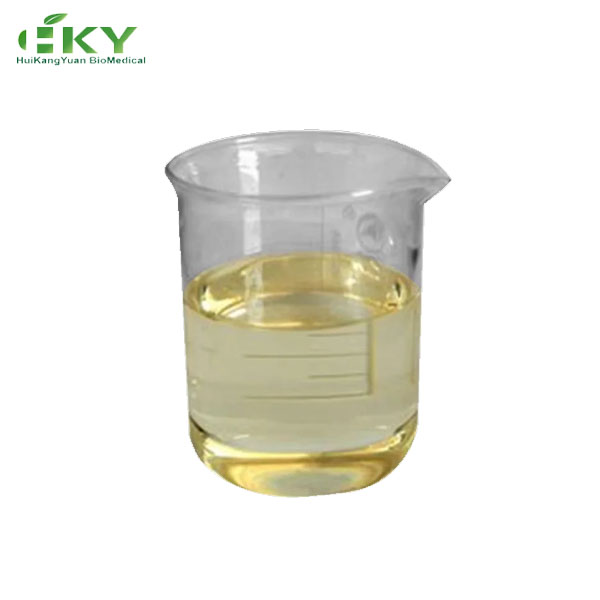
Appearance | Pale yellow clear liquid | Light yellow clear liquid | Visual |
Odor | Mild characteristic | Conforms | Olfactory |
Active Matter | 28.0 - 32.0% | 30.2% | HPLC |
pH Value (10% Solution) | 8.5 - 10.0 | 9.1 | pH Meter |
Viscosity (25°C) | 1,000-5,000 mPa·s | 3,200 mPa·s | Brookfield |
Color (APHA) | ≤100 | 42 | Colorimeter |
Chemical Purity | |||
Free Glycine | ≤1.0% | 0.38% | Titration |
Sodium Chloride | ≤0.5% | 0.27% | Mohr Method |
Residual Fatty Acid | ≤0.5% | 0.21% | GC |
Moisture Content | Balance | 68.9% | Karl Fischer |
Safety & Impurities | |||
Heavy Metals (as Pb) | ≤10 ppm | <5 ppm | ICP-MS |
Arsenic (As) | ≤2 ppm | <0.5 ppm | ICP-MS |
Mercury (Hg) | ≤0.1 ppm | <0.05 ppm | ICP-MS |
Microbiological | |||
Total Aerobic Count | ≤100 CFU/g | <10 CFU/g | Plate Count |
Yeast & Mold | ≤10 CFU/g | <10 CFU/g | Plate Count |
E. coli, Salmonella | Negative | Negative | —— |
Final Conclusion | —— | PASSED - MEETS SPECIFICATION | —— |
Frequently Asked Questions (FAQ) & Document Request Frequently Asked Questions (FAQ) & Document Request
Q1: How does Sodium Cocoyl Glycinate compare to other amino acid surfactants (Glutamate, Alaninate, Sarcosinate)?
A: Sodium Cocoyl Glycinate is the balanced leader among all amino acid surfactants:
• Foam quality: Best of all amino acids - rich, creamy, stable
• Mildness: Tied for first place with Glutamate
• Cost-effectiveness: Best value - 30-50% cheaper than Glutamate
• Water solubility: Excellent, better than Glutamate at low pH
• Hard water tolerance: Superior to all other amino acid surfactants
Glutamate = slightly milder but poorer foam, higher cost; Alaninate = better cleaning but harsher; Sarcosinate = better conditioning but lower foam. Glycinate is the sweet spot for 90% of formulations.
Q2: What is the difference between liquid 30% and powder 95% grades?
A: Choose based on your formulation type:
• 30% Liquid: 90% of all applications. Easy to handle, cold processable, consistent quality, industry standard. Best for all liquid cleansers.
• 95% Powder: For solid formulations only: soap bars, syndet bars, powder cleansers, toothpaste. Requires heating to dissolve, more difficult to process.
99% of cosmetic formulators choose the 30% liquid grade.
Contact Us
💌 Contact us today for technical data, formulation guidance, and competitive pricing! E-mail:
You Might Also Like
1.ur Products A full range of high-quality cosmetic raw materials, including plant extracts, natural active ingredients, skin care actives and formulation additives. Stable supply & strict quality control.