Hydrogenated Lecithin-Cosmetic Grade
Product Name: Hydrogenated Lecithin
INCI Name: Hydrogenated Lecithin
CAS Number: 92128-87-5
EINECS Number: 618-852-1
Chemical Name: Hydrogenated Phosphatidylcholine (HSPC)
Synonyms: Hydrogenated Soy Lecithin, Hydrogenated Soy Phosphatidylcholine, HSPC, Hydrogenated Phospholipids
Source: Soybean (standard), Sunflower, Egg Yolk
HL-90/95/98: Pharmaceutical grade for liposomes
Molecular Formula: C₄₂H₈₄NO₈P
Molecular Weight: 762.09 g/mol
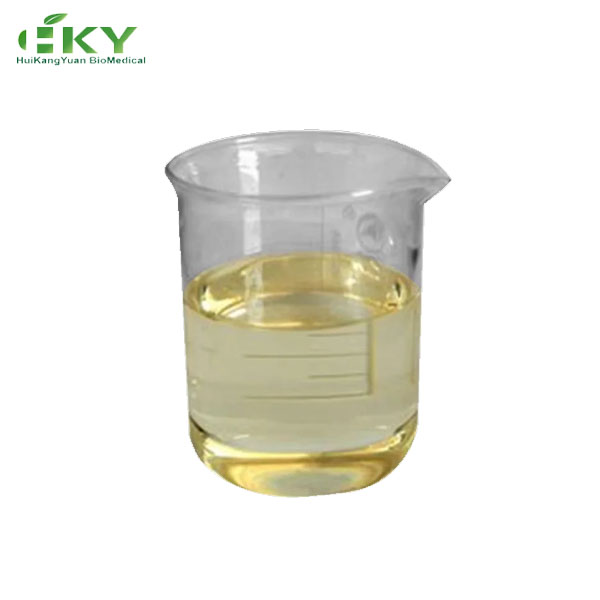
Appearance: White to off-white / pale yellow fine powder
Odor: Mild characteristic odor
Acid Value: ≤30 mg KOH/g
Iodine Value: ≤20 g I₂/100g (fully saturated)
Peroxide Value: ≤5.0 meq/kg
Heavy Metals: ≤10 ppm
Melting Point: 50-60°C
HLB Value: 3-5 (W/O primary, O/W co-emulsifier)
Solubility: Dispersible in hot water; soluble in oils, ethanol, propylene glycol; forms liposomes in water
pH (5% Dispersion): 5.0 - 7.0
Loss on Drying: ≤3.0%
Minimum Order Quantity (MOQ): 1 kg (Sample), 15 kg (Bulk)
Packaging: 1 kg foil bag, 15 kg fiber drum
Recommended Usage Level: 0.3% - 5.0% (typically 0.5-2% in cosmetics)
Primary Applications: Natural emulsifier, skin barrier repair, liposome delivery, sensitive skin formulations
Shelf Life: 24 months under proper storage conditions
Hydrogenated Lecithin, CAS 92128-87-5, Hydrogenated Soy Lecithin, Phosphatidylcholine, HSPC, natural emulsifier, lamellar emulsifier
Hydrogenated Lecithin-Cosmetic Grade(CAS 92128-87-5)
Hydrogenated Lecithin is a premium natural phospholipid produced by controlled hydrogenation of natural lecithin (typically soybean-derived). Unlike regular lecithin which contains unsaturated double bonds prone to oxidation and rancidity, Hydrogenated Lecithin is fully saturated, eliminating oxidative instability while retaining all the beneficial biological properties of phospholipids.
As a biomimetic ingredient identical to the phospholipids naturally present in human skin cell membranes, it forms lamellar liquid crystal structures that perfectly mimic the skin's own lipid bilayer. This unique property makes it not just an emulsifier, but an active skin barrier repair agent and advanced delivery system.
Widely recognized as the gold standard natural emulsifier for sensitive and barrier-compromised skin, it is the preferred choice in Korean "barrier repair" formulations, organic cosmetics, and liposomal active delivery systems.

Key Benefits
✅ Natural phospholipid - identical to skin cell membranes
✅ Forms lamellar liquid crystals - mimics skin lipid bilayer
✅ Superior oxidative stability - no rancidity, 24 month shelf life
✅ Excellent W/O emulsifier - stable emulsions without synthetic emulsifiers
✅ Repairs and strengthens skin barrier function
✅ Enhances penetration of active ingredients
✅ Liposome formation - advanced active delivery system
✅ Gentle and non-irritating - ideal for sensitive skin
✅ Soothes irritated and compromised skin
✅ Compatible with all cosmetic ingredients
Applications
Skincare (Primary):
• Barrier repair creams and lotions: 1-3%
• Sensitive and eczema-prone skin care: 1-4%
• Baby care products: 0.5-2%
• Organic and natural cosmetics: 1-3%
• Anti-aging serums and creams: 0.5-2%
• Post-procedure and calming products: 2-5%
Advanced Delivery Systems:
• Liposomal active encapsulation: 2-5% (HL-80+/pharm grade)
• Active penetration enhancement: 0.5-2%
• Nano-emulsion formulations: 1-3%
Other Applications:
• Cleansing milks and lotions: 0.5-1.5%
• Sun care products: 1-2%
• Hair conditioners and treatments: 0.5-2%
• Lip balms and lip care: 1-3%
Certificate of Analysis (COA)
Test Item | Specification | Result |
Product Information | ||
Product Name | Hydrogenated Lecithin | Hydrogenated Lecithin HL-60 |
CAS Number | 92128-87-5 | 92128-87-5 |
Grade | HL-60 (60% PC Cosmetic Grade) | HL-60 Grade |
Source | Non-GMO Soybean | Non-GMO Soybean |
Physical & Chemical | ||
Appearance | White to pale yellow powder | Off-white fine powder |
Odor | Mild characteristic | Conforms |
Phosphatidylcholine (PC) | ≥60% | 63.8% |
Acid Value | ≤30 mg KOH/g | 18.5 mg KOH/g |
Iodine Value | ≤20 g I₂/100g | 8.2 g I₂/100g |
Peroxide Value | ≤5.0 meq/kg | 1.8 meq/kg |
Melting Point | 50-60°C | 54°C |
pH (5% Dispersion) | 5.0-7.0 | 5.8 |
Loss on Drying | ≤3.0% | 1.2% |
Purity & Safety | ||
Heavy Metals (as Pb) | ≤10 ppm | <5 ppm |
Arsenic (As) | ≤2 ppm | <0.5 ppm |
Mercury (Hg) | ≤0.1 ppm | <0.05 ppm |
Residual Solvents | Not detected | Not detected |
Microbiological | ||
Total Aerobic Count | ≤100 CFU/g | <10 CFU/g |
Yeast & Mold | ≤10 CFU/g | <10 CFU/g |
E. coli, Salmonella | Negative | Negative |
Conclusion | —— | PASSED |
Test Item | Specification | Result |
Product Information | ||
Product Name | Hydrogenated Lecithin | Hydrogenated Lecithin HL-60 |
CAS Number | 92128-87-5 | 92128-87-5 |
Grade | HL-60 (60% PC Cosmetic Grade) | HL-60 Grade |
Source | Non-GMO Soybean | Non-GMO Soybean |
Physical & Chemical | ||
Appearance | White to pale yellow powder | Off-white fine powder |
Odor | Mild characteristic | Conforms |
Phosphatidylcholine (PC) | ≥60% | 63.8% |
Acid Value | ≤30 mg KOH/g | 18.5 mg KOH/g |
Iodine Value | ≤20 g I₂/100g | 8.2 g I₂/100g |
Peroxide Value | ≤5.0 meq/kg | 1.8 meq/kg |
Melting Point | 50-60°C | 54°C |
pH (5% Dispersion) | 5.0-7.0 | 5.8 |
Loss on Drying | ≤3.0% | 1.2% |
Purity & Safety | ||
Heavy Metals (as Pb) | ≤10 ppm | <5 ppm |
Arsenic (As) | ≤2 ppm | <0.5 ppm |
Mercury (Hg) | ≤0.1 ppm | <0.05 ppm |
Residual Solvents | Not detected | Not detected |
Microbiological | ||
Total Aerobic Count | ≤100 CFU/g | <10 CFU/g |
Yeast & Mold | ≤10 CFU/g | <10 CFU/g |
E. coli, Salmonella | Negative | Negative |
Conclusion | —— | PASSED |
Frequently Asked Questions (FAQ) & Document Request Frequently Asked Questions (FAQ) & Document Request
Q1: What is the difference between regular Lecithin and Hydrogenated Lecithin?
A: The critical difference is STABILITY:
• Regular Lecithin: Unsaturated fatty acids, iodine value 50-100, prone to oxidation and rancidity, 6-12 month shelf life, brown color, strong odor
• Hydrogenated Lecithin: Fully saturated, iodine value <20, NO oxidation, NO rancidity, 24 month shelf life, white/light color, mild odor
Hydrogenated Lecithin retains ALL the beneficial properties of lecithin while eliminating its only major drawback - oxidative instability. This is why ONLY Hydrogenated Lecithin is used in modern cosmetics.
Q2: Which purity grade should I choose?
A: Grade selection depends on application:
• HL-30: Standard emulsification, cost-effective, general skincare
• HL-60: ✅ STANDARD COSMETIC GRADE - best balance of performance and cost
• HL-75/80: Premium formulations, barrier repair, sensitive skin
• HL-90+: Pharmaceutical grade, liposome encapsulation only
HL-60 is the industry standard for cosmetic formulations - start here unless you have specialized requirements.
Q3: How do I properly incorporate Hydrogenated Lecithin into formulations?
A: Proper handling is essential:
1. Always add to OIL PHASE, NOT water phase
2. Heat to 60-70°C to fully melt and disperse
3. Do not exceed 80°C - excessive heat may cause degradation
4. For liposomes: Use high shear homogenization after adding water phase
5. Best as W/O emulsifier: Use 1-3% alone or co-emulsify with other emulsifiers for O/W
It is NOT water soluble - it disperses in oil and forms lamellar structures upon emulsification.
Q4: Can Hydrogenated Lecithin form liposomes for active delivery?
A: YES, this is its most advanced application. High purity grades (HL-80+) are specifically designed for liposome formation:
• Encapsulates both water-soluble and oil-soluble actives
• Enhances penetration by 200-400%
• Provides sustained release over 8-12 hours
• Protects sensitive actives from degradation
This is the technology behind all premium "liposomal" skincare products.
Q5: Is Hydrogenated Lecithin suitable for organic and natural cosmetics?
A: YES, fully approved for organic certification:
• COSMOS and Ecocert approved
• 100% natural origin (soybean/sunflower)
• Non-GMO options available
• No synthetic processing residues
It is the ONLY natural phospholipid emulsifier stable enough for long-shelf-life organic products.
Contact Us
💌 Contact us today for technical data, formulation guidance, and competitive pricing! E-mail:
You Might Also Like
1.ur Products A full range of high-quality cosmetic raw materials, including plant extracts, natural active ingredients, skin care actives and formulation additives. Stable supply & strict quality control.