Poly(dimethylsiloxane) (PDMS) Cosmetic Grade
Product Name: Poly(dimethylsiloxane) (PDMS)
INCI Name: Dimethicone
CAS Numbers: 63148-62-9, 9006-65-9, 9016-00-6
EINECS Number: 203-492-7
Chemical Name: Poly[oxy(dimethylsilylene)], α-trimethylsilyl-ω-trimethylsiloxy-
Synonyms: Dimethylpolysiloxane, Dimethyl Silicone Oil, 201 Methyl Silicone Oil, PDMS
Available Viscosity Grades (25°C):
<!--[if !supportLists]-->• <!--[endif]-->50 cSt: Low viscosity, water-like fluidity
<!--[if !supportLists]-->• <!--[endif]-->100 cSt: Medium-low viscosity
<!--[if !supportLists]-->• <!--[endif]-->200 cSt: Medium viscosity
<!--[if !supportLists]-->• <!--[endif]-->350 cSt: Standard cosmetic grade (most popular)
<!--[if !supportLists]-->• <!--[endif]-->500 cSt: Medium-high viscosity
1,000 cSt: High viscosity, semi-gel
Chemical Formula: (CH₃)₃SiO[(CH₃)₂SiO]ₙSi(CH₃)₃
Repeat Unit Molecular Weight: 74.16 g/mol
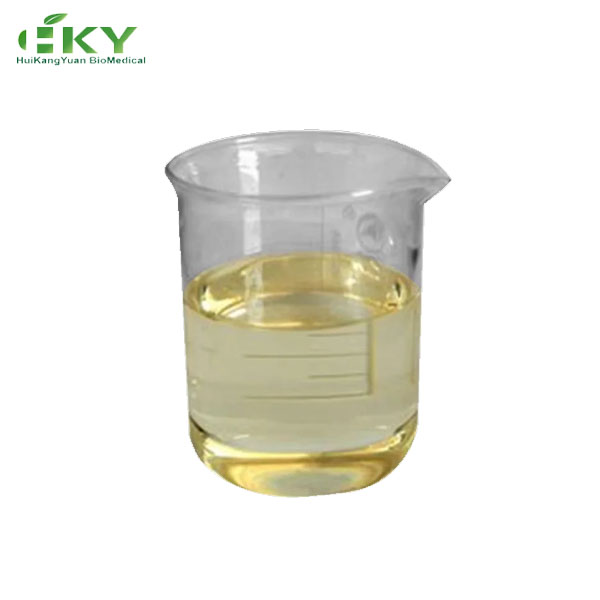
Appearance: Clear, colorless, transparent liquid
Odor: Odorless, tasteless
Refractive Index (25°C): 1.400 - 1.406
Density (25°C): 0.955 - 0.975 g/cm³
Flash Point: >300°C
Pour Point: -60°C to -65°C
Surface Tension: ~20.9 mN/m (one of the lowest known)
Dielectric Constant: ~2.7
Viscosity-Temperature Coefficient: 0.60 - 0.65
Solubility: Insoluble in water, ethanol, glycerin; soluble in hydrocarbons, silicones, most organic solvents
Acid Value: ≤0.05 mg KOH/g
Volatile Content: ≤0.5%
Minimum Order Quantity (MOQ): 1 kg (Sample), 25 kg (Bulk)
Packaging: 1 kg bottle, 25 kg plastic drum, 200 kg steel drum
Recommended Usage Level: 0.5% - 10% (typically 1-5% in cosmetics)
Primary Applications: Skincare, hair care, color cosmetics, sun care, antiperspirants
Shelf Life: 36 months under proper storage conditions
Dimethicone, Poly(dimethylsiloxane), PDMS, CAS 63148-62-9, Dimethyl Silicone Oil, 350 cSt silicone, cosmetic grade silicone, skin feel agent, film-forming agent
Poly(dimethylsiloxane) (PDMS) Cosmetic Grade(CAS 9016-00-6)
Poly(dimethylsiloxane), universally known as Dimethicone, is the most widely used silicone polymer in cosmetics and personal care. With its unique Si-O-Si backbone structure and methyl side groups, it delivers exceptional performance unmatched by any organic oil.
What makes Dimethicone indispensable is its extraordinary combination of properties: ultra-low surface tension, exceptional thermal stability, complete chemical inertness, and the ability to create a breathable, non-occlusive protective film. It spreads effortlessly on skin and hair, imparting a luxurious silky-smooth feel without greasiness or heaviness.
As the industry standard sensory modifier, it transforms product texture, reduces tackiness, enhances spreadability, and provides long-lasting protection. Present in over 70% of all premium skincare and makeup products, 350 cSt grade is the cosmetic industry workhorse - balancing spreadability, sensory feel, and film formation perfectly.

Key Benefits
✅ Ultra-low surface tension - spreads instantly and evenly
✅ Creates breathable protective film - sweat escapes, irritants blocked
✅ Luxurious silky-smooth skin feel - no greasiness, no heaviness
✅ Reduces tackiness and stickiness of formulations
✅ Soft-focus optical effect - blurs fine lines and pores
✅ Water-resistant - improves longevity of sunscreens and makeup
✅ Heat protection - shields hair from thermal styling damage
✅ Exceptional thermal stability - stable from -60°C to +300°C
✅ Chemically inert - no reaction with other ingredients
✅ Excellent pigment dispersant - prevents settling in makeup
✅ Powerful defoaming agent - eliminates foam during production
Applications
Skincare:
• Moisturizers and lotions: 1-3% (50-350 cSt) - silky feel
• Serums and primers: 0.5-2% (50-100 cSt) - smooth application
• Barrier creams and ointments: 3-8% (500-1000 cSt) - protection
• Eye creams: 0.5-2% - gentle, non-irritating
Hair Care:
• Shampoos and conditioners: 1-3% (350 cSt) - detangling, shine
• Hair serums and oils: 2-5% (100-350 cSt) - heat protection, anti-frizz
• Styling products: 1-4% - smoothness, manageability
• Heat protectants: 3-6% - thermal damage prevention
Color Cosmetics:
• Foundations and BB creams: 1-5% (350 cSt) - spreadability, soft-focus
• Lipsticks and lip glosses: 2-8% - smooth glide, non-drying
• Eyeshadows and blushes: 1-3% - pigment dispersion
• Makeup primers: 2-5% - fill pores, smooth texture
Other Applications:
• Sunscreens: 2-6% - water resistance, spreadability
• Antiperspirants and deodorants: 1-4% - non-irritating film
• Body lotions: 1-3% - silky after-feel
Certificate of Analysis (COA)
Test Item | Specification | Result |
Product Information | ||
Product Name | Dimethicone (Poly(dimethylsiloxane)) | Dimethicone 350 cSt |
CAS Number | 63148-62-9 / 9006-65-9 | 63148-62-9 |
Viscosity Grade | 350 cSt (Standard Cosmetic Grade) | 350 cSt |
Physical & Chemical | ||
Appearance | Clear colorless liquid | Clear, transparent |
Odor | Odorless | Odorless |
Viscosity (25°C) | 330 - 370 cSt | 348 cSt |
Refractive Index (25°C) | 1.400 - 1.406 | 1.4032 |
Density (25°C) | 0.965 - 0.975 g/cm³ | 0.970 g/cm³ |
Flash Point | ≥300°C | 315°C |
Acid Value | ≤0.05 mg KOH/g | 0.02 mg KOH/g |
Volatile Content | ≤0.5% | 0.18% |
Purity & Safety | ||
Heavy Metals (as Pb) | ≤10 ppm | <5 ppm |
Arsenic (As) | ≤2 ppm | <0.5 ppm |
Mercury (Hg) | ≤0.1 ppm | <0.05 ppm |
Microbiological | ||
Total Aerobic Count | ≤100 CFU/g | <10 CFU/g |
Yeast & Mold | ≤10 CFU/g | <10 CFU/g |
E. coli, Salmonella | Negative | Negative |
Conclusion | —— | PASSED |
Frequently Asked Questions (FAQ) & Document Request Frequently Asked Questions (FAQ) & Document Request
Q1: Which viscosity grade should I choose for my formulation?
A: Viscosity selection is application-specific:
• 50-100 cSt: Serums, sprays, makeup removers, light lotions - maximum spreadability
• 200-350 cSt: ✅ STANDARD COSMETIC GRADE - creams, lotions, foundations, conditioners - balanced feel and performance
• 500-1000 cSt: Rich creams, ointments, hair masks, lip products - maximum film formation and protection
350 cSt is the industry standard workhorse - start here unless you have specific sensory requirements.
Q2: Is Dimethicone comedogenic (pore-clogging)?
A: NO, scientifically proven non-comedogenic. This is a common myth. Dimethicone forms a breathable film that is non-occlusive and does not clog pores. It has a comedogenicity rating of 0 (non-comedogenic) in all clinical testing. In fact, it helps prevent other ingredients from clogging pores and is widely used in acne-prone skin formulations.
Q3: Is Dimethicone safe? What about the "silicone myth"?
A: Dimethicone is one of the safest cosmetic ingredients ever studied. Extensively tested for over 70 years:
• CIR Safety Review: Fully safe for all cosmetic use
• EU SCCS: No safety concerns, no restrictions
• US FDA: GRAS status, approved for food contact
• Dermatologist recommended for sensitive and eczema-prone skin
The "silicone is bad" myth is entirely marketing-driven with no scientific basis.
Q4: Does Dimethicone prevent other active ingredients from penetrating?
A: NO, this is another myth. Dimethicone's film is gas-permeable and allows water vapor and small molecules to pass through. It does NOT block absorption of active ingredients. In fact, it improves delivery by creating a uniform layer that enhances penetration of other actives. It is "breathable" - not an impermeable barrier.
Q5: What is the difference between Dimethicone and Cyclomethicone (D5)?
A: Critical difference:
• Dimethicone (linear PDMS): Non-volatile, long-lasting film, provides sustained benefits, EU REACH approved with no restrictions
• Cyclomethicone (D5/D4/D6): Volatile cyclic silicones, temporary feel, EU REACH restricted and regulated due to environmental concerns
All premium formulations now use Dimethicone instead of Cyclomethicone for better performance and compliance.
Q6: What is the optimal pH and temperature stability?
A: Dimethicone is the most stable cosmetic ingredient:
• pH stability: Stable from pH 1 to pH 14 (ALL cosmetic formulations)
• Temperature: Stable from -60°C to +300°C
• Processing: Survives hot emulsification, autoclaving, sterilization
• Shelf life: 36 months minimum, no degradation
It is completely chemically inert - will not react with ANY cosmetic ingredient under any conditions.
Contact Us
💌 Contact us today for technical data, formulation guidance, and competitive pricing! E-mail:
You Might Also Like
1.ur Products A full range of high-quality cosmetic raw materials, including plant extracts, natural active ingredients, skin care actives and formulation additives. Stable supply & strict quality control.