D-Panthenol - Cosmetic Grade
Product Name: Panthenol (D-Panthenol / Dexpanthenol)
INCI Name: Panthenol
CAS Number: 81-13-0
EINECS Number: 201-327-3
Chemical Name: (R)-2,4-Dihydroxy-N-(3-hydroxypropyl)-3,3-dimethylbutanamide
Synonyms: Pro-Vitamin B5, Dexpanthenol, D-Pantothenyl Alcohol, Provitamin B5
Available Forms:
<!--[if !supportLists]-->• <!--[endif]-->D-Panthenol Liquid: 98-100% pure, biologically active form
DL-Panthenol: Racemic mixture, 50% active
Molecular Formula: C₉H₁₉NO₄
Molecular Weight: 205.25 g/mol
Purity: ≥98.0%
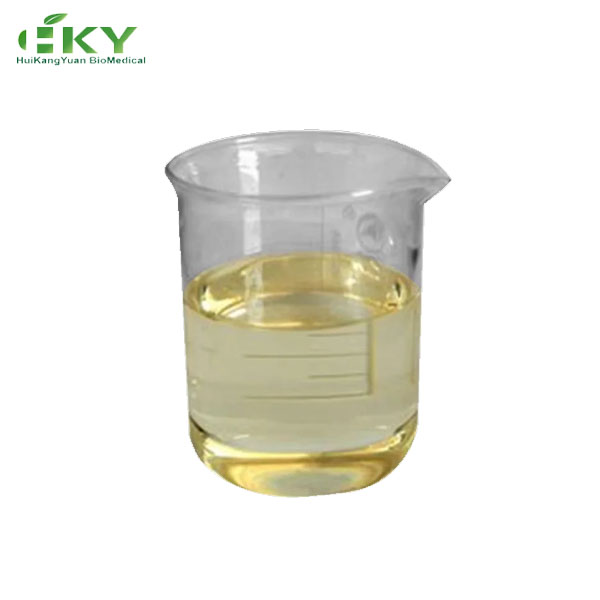
Appearance: Clear, colorless to pale yellow viscous liquid
Odor: Odorless or very faint characteristic odor
Refractive Index (20°C): 1.495 - 1.502
Specific Optical Rotation: +29.0° to +31.5°
pH (10% Solution): 4.0 - 7.0
Density (20°C): 1.195 - 1.205 g/mL
Viscosity (20°C): 8,000 - 13,000 mPa·s
Solubility: Miscible with water, ethanol, propylene glycol; soluble in glycerin
Boiling Point: 118-120°C (decomposes at higher temperatures)
Minimum Order Quantity (MOQ): 1 kg (Sample), 25 kg (Bulk)
Recommended Usage Level: 0.5% - 5% (up to 7% maximum)
Primary Applications: Skincare, hair care, baby care, wound care, sun care, oral care
Shelf Life: 24 months under proper storage conditions
Panthenol, D-Panthenol, Dexpanthenol, CAS 81-13-0, Pro-Vitamin B5, Provitamin B5
D-Panthenol - Cosmetic Grade(CAS 81-13-0)
Panthenol is the biologically active alcohol form of Vitamin B5 (Pantothenic Acid), universally recognized as one of the most versatile and effective skincare and haircare ingredients. Upon skin absorption, D-Panthenol (the only biologically active form) is rapidly converted into Pantothenic Acid, an essential component of Coenzyme A - critical for cellular metabolism, tissue repair, and barrier function.
What makes Panthenol extraordinary is its multi-modal action: it acts simultaneously as a deep-penetrating humectant, barrier-repairing occlusive, anti-inflammatory soother, and tissue regenerator. It penetrates deep into the stratum corneum, attracting and binding moisture while stimulating fibroblast proliferation and collagen synthesis.
In hair care, it penetrates the hair shaft, improving elasticity, reducing breakage, and imparting long-lasting shine. Approved by dermatologists worldwide for sensitive skin, baby care, and post-procedure treatments, Panthenol is the gold standard vitamin ingredient in premium cosmetic formulations.

Key Benefits
✅ Deep penetrating humectant - attracts and binds moisture
✅ Converts to Vitamin B5 in skin - activates Coenzyme A
✅ Stimulates fibroblast proliferation - accelerates wound healing
✅ Reduces TEWL by 20-30% - repairs and strengthens skin barrier
✅ Powerful anti-inflammatory - soothes redness and irritation
✅ Improves skin elasticity and reduces fine lines
✅ Penetrates hair shaft - improves elasticity and reduces breakage
✅ Enhances hair shine and manageability
✅ Safe for sensitive skin and baby care
✅ Compatible with all cosmetic ingredients
✅ Stable in wide pH range (4-8) and temperature
Applications
Skincare:
• Moisturizers and serums: 1-3% - hydration and barrier repair
• Sensitive skin creams: 2-5% - soothing and anti-irritation
• After-sun products: 2-4% - repair and anti-inflammatory
• Anti-aging creams: 1-3% - elasticity and fine lines
• Wound care and healing ointments: 3-5% - tissue regeneration
• Baby creams and diaper care: 1-3% - gentle protection
Hair Care:
• Shampoos and conditioners: 0.5-2% - conditioning and shine
• Hair masks and treatments: 2-5% - repair and elasticity
• Leave-in serums: 1-3% - heat protection and manageability
• Color protection products: 1-2% - vibrancy and strength
Other Applications:
• Body lotions and hand creams: 1-3%
• Lip balms and lip care: 1-3%
• Oral care and toothpaste: 0.5-1%
• Shaving products and aftershave: 1-2%
Certificate of Analysis (COA)
Test Item | Specification | Result |
Product Information | ||
Product Name | D-Panthenol (Panthenol) | D-Panthenol Cosmetic Grade |
CAS Number | 81-13-0 | 81-13-0 |
Physical & Chemical | ||
Appearance | Clear viscous liquid | Clear, colorless liquid |
Odor | Odorless | Odorless |
Assay (GC) | 98.0 - 102.0% | 99.4% |
Specific Optical Rotation | +29.0° to +31.5° | +30.2° |
Refractive Index | 1.495 - 1.502 | 1.4985 |
pH (10% Solution) | 4.0 - 7.0 | 5.4 |
Density (20°C) | 1.195 - 1.205 g/mL | 1.200 g/mL |
Water Content | ≤0.5% | 0.21% |
Residue on Ignition | ≤0.1% | 0.04% |
Purity & Safety | ||
Heavy Metals (as Pb) | ≤10 ppm | <5 ppm |
Arsenic (As) | ≤2 ppm | <0.5 ppm |
Mercury (Hg) | ≤0.1 ppm | <0.05 ppm |
Microbiological | ||
Total Aerobic Count | ≤100 CFU/g | <10 CFU/g |
Yeast & Mold | ≤10 CFU/g | <10 CFU/g |
E. coli, Salmonella | Negative | Negative |
Conclusion | —— | PASSED |
Frequently Asked Questions (FAQ) & Document Request Frequently Asked Questions (FAQ) & Document Request
Q1: What is the difference between D-Panthenol and DL-Panthenol?
A: Critical difference in biological activity:
• D-Panthenol (Dextrorotatory): 100% biologically active. Only this form converts to Vitamin B5 in skin. This is the USP/EP pharmaceutical grade.
• DL-Panthenol (Racemic): 50% D-form + 50% L-form. Only the D-half is active; L-form is inactive. Lower cost but half efficacy.
ALWAYS specify D-Panthenol for full therapeutic benefit - this is the industry standard for premium cosmetics and pharmaceuticals.
Q2: How does Panthenol actually convert to Vitamin B5 in skin?
A: D-Panthenol is rapidly absorbed through the stratum corneum. Inside skin cells, it is enzymatically oxidized to D-Pantothenic Acid (Vitamin B5), which then becomes incorporated into Coenzyme A - the essential cofactor for over 100 metabolic reactions including energy production, lipid synthesis, and tissue repair. This conversion is rapid and nearly quantitative.
Q3: What is the optimal pH and temperature stability?
A: Panthenol is exceptionally stable:
• pH stability: Stable from pH 4.0 to 8.0 (most cosmetic formulations)
• Temperature: Stable up to 120°C short-term; avoid prolonged heating >100°C
• Storage: Room temperature stable for 24 months
It is one of the most robust cosmetic active ingredients, compatible with all processing methods including hot emulsification.
Q4: Is there a maximum recommended usage level?
A: CIR safety assessment confirms safety up to 7% in leave-on products. Typical usage:
• Rinse-off (shampoos, body wash): 0.5-2%
• Leave-on skincare: 1-3%
• Intensive repair / wound care: 3-5%
• Maximum safe: 7%
There is NO legal regulatory limit in any country - these are practical formulation recommendations based on efficacy and sensory properties.
Q5: Can Panthenol be combined with other active ingredients?
A: Excellent compatibility with virtually all cosmetic ingredients. Synergistic combinations:
• Barrier repair: + Ceramides + Cholesterol + Fatty Acids
• Soothing: + Bisabolol + Allantoin + Centella Asiatica
• Anti-aging: + Niacinamide + Hyaluronic Acid + Peptides
• Hair repair: + Hydrolyzed Keratin + Arginine
The only caution: avoid extreme pH (<3.5 or >8.5) which may cause degradation.
Contact Us
💌 Contact us today for technical data, formulation guidance, and competitive pricing! E-mail:
You Might Also Like
1.ur Products A full range of high-quality cosmetic raw materials, including plant extracts, natural active ingredients, skin care actives and formulation additives. Stable supply & strict quality control.