C12-15 Alkyl Benzoate (C12-15 Alkyl Esters Liquid) -CAS 68411-27-8
Product Name: C12-15 Alkyl Benzoate (C12-15 Alkyl Esters Liquid)
INCI Name: C12-15 ALKYL BENZOATE
CAS Number: 68411-27-8
EINECS Number: 270-112-4
Molecular Formula: C₁₉H₃₀O₂
Average Molecular Weight: ~290.44 g/mol
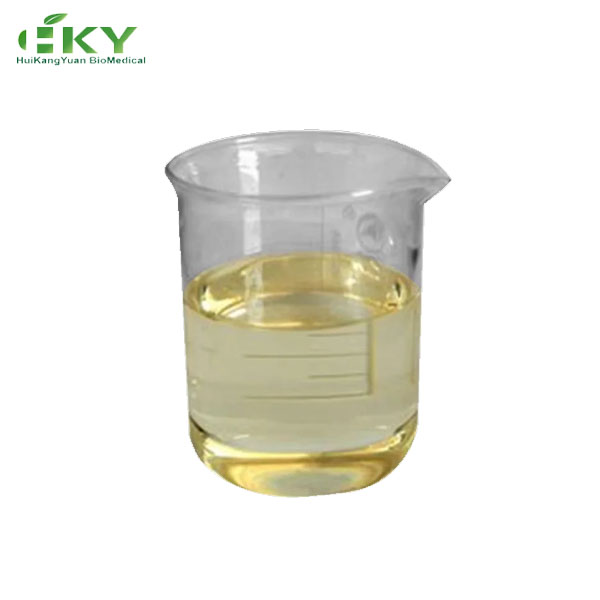
Appearance: Colorless to pale yellow clear transparent liquid
Odor: Odorless or very faint characteristic odor
Product Purity: ≥99.0%
Density (25°C): 0.870–0.890 g/cm³
Refractive Index (20°C): 1.480–1.490
Packaging: 1kg sample bottle, 25kg plastic drum
Shelf Life: 24 months
Storage: Store in cool, dry, well-ventilated area, keep sealed, protect from light and heat
C12-15 Alkyl Benzoate, C12-15 Alkyl Esters Liquid, cosmetic emollient ester, lightweight emollient, sunscreen solubilizer, silky skin feel ester, non-comedogenic ester, cosmetic oil phase ingredient, premium emollient
C12-15 Alkyl Benzoate (C12-15 Alkyl Esters Liquid) -CAS 68411-27-8
C12-15 Alkyl Benzoate, also known as C12-15 Alkyl Esters Liquid or Finsolv, is a premium synthetic ester widely regarded as one of the most versatile and high-performance emollients in modern cosmetic formulations with the INCI name C12-15 ALKYL BENZOATE and CAS number 68411-27-8. This clear, colorless to pale yellow low-viscosity liquid is produced through the esterification of benzoic acid with C12-15 fatty alcohols, resulting in an exceptionally elegant skin feel that is both lightweight and silky smooth. Renowned for its outstanding solubilizing power for UV filters and active ingredients, C12-15 Alkyl Benzoate is a staple in sun care formulations where it efficiently dissolves chemical sunscreen agents while delivering a non-greasy, fast-absorbing finish. With a comedogenic rating of only 1 (very low), it is suitable for all skin types including acne-prone and sensitive skin. Its excellent chemical stability, broad compatibility with other cosmetic ingredients, and ability to reduce greasiness in heavy oil formulations make it an indispensable ingredient in premium skincare, color cosmetics, and hair care products worldwide.

Key Benefits
• Silky lightweight feel: Non-greasy, fast-absorbing, elegant skin sensation
• Excellent spreadability: Smooth and even application, no pulling or tugging
• Superb UV filter solubilizer: Efficiently dissolves chemical sunscreens
• Reduces greasiness: Lightens heavy oil formulations, improves skin feel
• Excellent chemical stability: Resistant to oxidation, long shelf life
• Broad formulation compatibility: Works with silicones, esters, and oils
• Odorless and colorless: Does not affect product fragrance or color
• Enhances active delivery: Improves penetration of active ingredients
• Versatile multi-functional: Emollient, solubilizer, sensory enhancer
Applications
• Premium face creams and lotions: Recommended usage 3%–15%
• Sunscreen lotions and creams: Recommended usage 5%–25%
• Foundations, BB creams, and CC creams: Recommended usage 5%–20%
• Lipsticks and lip balms: Recommended usage 3%–15%
• Body lotions and moisturizers: Recommended usage 2%–10%
• Hair conditioners and hair serums: Recommended usage 1%–5%
• Perfumes and fragrance products: As perfume solvent and carrier
• Baby care products (lotions, creams): Recommended usage 2%–8%
• Makeup removers and cleansing oils: Recommended usage 5%–20%
• Eye care products (eye creams, eye serums): Recommended usage 2%–8%
Certificate Of Analysis (COA)
Test Item | Standard Requirement | Test Result | Test Method |
Appearance | Colorless to pale yellow clear liquid | Complies | Visual inspection |
Assay / Purity | ≥99.0% | 99.5% | GC |
Density (25°C) | 0.870–0.890 g/cm³ | 0.878 g/cm³ | Density meter |
Refractive Index (20°C) | 1.480–1.490 | 1.4835 | Refractometer |
Acid Value | ≤0.5 mgKOH/g | 0.08 mgKOH/g | Titration |
Saponification Value | 180–200 mgKOH/g | 191 mgKOH/g | Titration |
Hydroxyl Value | ≤5.0 mgKOH/g | 1.2 mgKOH/g | Titration |
Color (APHA) | ≤50 | <20 | Colorimetry |
Moisture Content | ≤0.1% | 0.02% | Karl Fischer |
Viscosity (25°C) | 10–20 mPa·s | 14 mPa·s | Viscometer |
Flash Point | ≥170°C | 182°C | Pensky-Martens |
Heavy Metals (as Pb) | ≤10 ppm | <5 ppm | ICP-MS |
Arsenic (As) | ≤2 ppm | <0.5 ppm | ICP-MS |
Lead (Pb) | ≤5 ppm | <1 ppm | ICP-MS |
Cadmium (Cd) | ≤3 ppm | <0.5 ppm | ICP-MS |
Mercury (Hg) | ≤1 ppm | <0.1 ppm | ICP-MS |
Total Aerobic Count | ≤100 CFU/g | <10 CFU/g | GB 4789.2 |
Mold & Yeast | ≤10 CFU/g | <10 CFU/g | GB 4789.15 |
E. coli | Absent | Absent | GB 4789.3 |
Conclusion | Complies with cosmetic grade specifications | ||
Frequently Asked Questions (FAQ)
Q1: Why is C12-15 Alkyl Benzoate so widely used in sunscreen formulations?
A: C12-15 Alkyl Benzoate is considered the gold standard emollient for sun care products for several key reasons. First, it has exceptional solubilizing power for chemical UV filters like Octinoxate, Avobenzone, Octocrylene, and Oxybenzone, allowing formulators to create clear, non-greasy sunscreen formulations with high SPF values. Second, it delivers an elegant, lightweight, silky skin feel that absorbs quickly without leaving a greasy or sticky residue, which is critical for consumer acceptance of sunscreen products. Third, it has a very low comedogenic rating (Grade 1), making it suitable for all skin types including oily and acne-prone skin. Finally, its excellent chemical stability and compatibility with other sunscreen agents help maintain product efficacy and shelf life. It is often used at 5–25% in sun care formulations, both as an emollient and as a solubilizer for UV filters.
Q2: How does C12-15 Alkyl Benzoate compare to other common emollient esters like IPM or IPP?
A: Compared to Isopropyl Myristate (IPM) and Isopropyl Palmitate (IPP), C12-15 Alkyl Benzoate offers several distinct advantages. While IPM and IPP are also lightweight esters, C12-15 Alkyl Benzoate has a more elegant, silkier skin feel with less "wet" or oily sensation. It has significantly better solubilizing power for UV filters and crystalline active ingredients, making it far more versatile in sun care and active formulations. Most importantly, C12-15 Alkyl Benzoate has a much lower comedogenic rating (Grade 1) compared to IPM (Grade 3-4) and IPP (Grade 2-3), meaning it is far less likely to clog pores or cause breakouts. It also has better chemical stability and a longer shelf life. While IPM and IPP are more economical, C12-15 Alkyl Benzoate is the preferred choice for premium formulations where skin feel, non-comedogenicity, and performance are priorities.
Q3: What is the recommended usage level and how does it affect formulation viscosity?
A: The recommended usage level of C12-15 Alkyl Benzoate varies by product type. In moisturizers and lotions, typical usage is 3–15%. In sunscreens, it can range from 5–25% depending on the number and type of UV filters. In color cosmetics like foundations, 5–20% is common. As a low-viscosity ester (~10–20 mPa·s), C12-15 Alkyl Benzoate reduces the overall viscosity of oil phases and helps create lighter, more spreadable formulations. It can be used to "lighten up" heavy formulations containing mineral oil, petrolatum, or heavy vegetable oils. It also improves the spreadability of products and enhances the skin feel of silicone-based formulations. Important formulation note: C12-15 Alkyl Benzoate is oil-soluble and should be added to the oil phase of your formulation. It is compatible with most cosmetic ingredients including silicones, other esters, vegetable oils, and mineral oil.
Contact Us
💌 Contact us today for technical data, formulation guidance, and competitive pricing! E-mail:
You Might Also Like
1.ur Products A full range of high-quality cosmetic raw materials, including plant extracts, natural active ingredients, skin care actives and formulation additives. Stable supply & strict quality control.