Copper Pyrrolidone Carboxylate-Copper PCA (CAS 15454-74-7)
Product Name: Copper PCA
INCI Name: COPPER PCA
Common Name: Copper Pyrrolidone Carboxylate; Copper Pyroglutamate
CAS Number: 15454-74-7
EINECS Number: 239-473-0
Chemical Class: Organic copper salt, Amino acid derivative
Chemical Formula: C₁₀H₁₀CuN₂O₆
Molecular Weight: 317.74 g/mol
Copper Content: ~19.5 - 20.0% (theoretical: 19.98%)
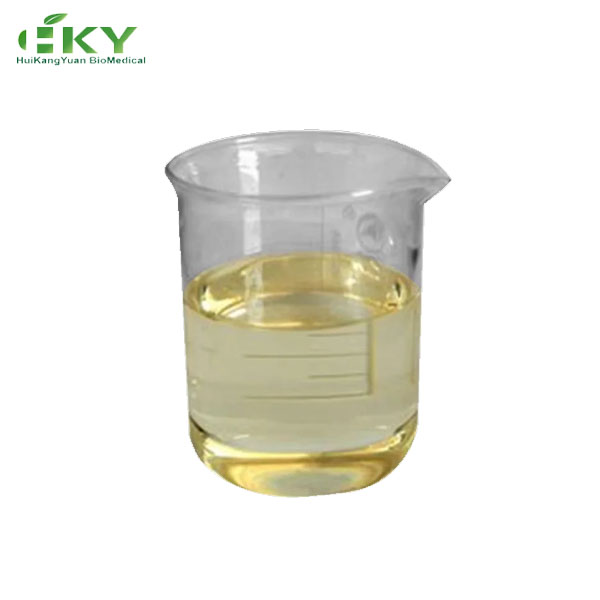
Appearance: Blue-green to turquoise fine crystalline powder
Odor: Very faint characteristic odor, nearly odorless
Copper PCA, Pyrrolidone Carboxylic Acid Copper, Copper Pyrrolidone Carboxylate, CAS 15454-74-7, oil control active, sebum regulating ingredient, anti-acne cosmetic, collagen stimulating peptide, antioxidant skincare, NMF moisturizing, blue serum ingredien
Copper Pyrrolidone Carboxylate-Copper PCA (CAS 15454-74-7)
Copper PCA , also known as copper pyrrolidone carboxylate, is a multifunctional cosmetic active ingredient that combines the skin benefits of copper with the moisturizing properties of PCA (pyrrolidone carboxylic acid) — a natural component of skin's own Natural Moisturizing Factor (NMF).
Formed by chelating copper ions with L-PCA, this water-soluble active delivers a unique blend of sebum regulation, antimicrobial action, antioxidant protection, and collagen stimulation. It has become increasingly popular in modern skincare for oily, acne-prone, and aging skin, valued for its ability to address multiple skin concerns simultaneously without causing dryness or irritation. Approved globally and widely used in serums, creams, masks, and scalp care products, Copper PCA is a versatile staple in both mass-market and premium cosmetic formulations.

Key Benefits
✅ Multi-functional active - addresses multiple skin concerns at once
✅ Regulates sebum production - reduces excess oil without over-drying
✅ Mattifying effect - visibly reduces shine throughout the day
✅ Pore-refining - minimizes the appearance of enlarged pores
✅ Antimicrobial activity - inhibits acne-causing bacteria (P. acnes)
✅ Anti-inflammatory - soothes redness and calms irritation
✅ Antioxidant protection - neutralizes free radicals and oxidative stress
✅ Stimulates collagen synthesis - improves skin firmness and elasticity
✅ Supports elastin production - helps reduce fine lines and wrinkles
✅ Natural moisturizing factor - PCA is part of skin's own NMF
✅ Enhances skin barrier - strengthens and supports barrier integrity
✅ Water-soluble - easy to incorporate into aqueous formulations
✅ Suitable for oily, combination, and acne-prone skin
✅ Suitable for aging / mature skin (anti-aging + firming)
✅ Gentle and well-tolerated - low irritation potential
✅ Non-comedogenic - won't clog pores
✅ Works synergistically with niacinamide, zinc PCA, salicylic acid
✅ Naturally derived from amino acid (proline)
✅ Stable across typical cosmetic pH range (5-7)
✅ Heat stable - survives normal cosmetic processing temperatures
Applications
Oil-Control & Mattifying Products (35% of cosmetic usage):
• Oil-control serums / essences: 0.2-1% - primary sebum-regulating active
• Mattifying lotions / fluids: 0.1-0.5% - all-day shine control
• Pore-minimizing serums: 0.2-0.8% - refines pore appearance
• Oil-free moisturizers: 0.05-0.3% - hydration without greasiness
• T-zone treatments: 0.3-1% - targeted oil control for T-zone
• Blurring / pore perfecting primers: 0.1-0.5% - smooths + mattifies
• Setting sprays / powders: 0.05-0.2% - long-lasting matte finish
Anti-Acne & Blemish Care (25%):
• Acne treatment serums: 0.3-1% - antimicrobial + anti-inflammatory
• Spot treatments: 0.5-1% - targeted blemish care
• Clarifying toners: 0.1-0.3% - gentle exfoliation + oil control
• Blemish-prone moisturizers: 0.1-0.3% - non-comedogenic hydration
• Clay masks for acne: 0.2-0.5% - deep cleansing + antibacterial
• Peel pads / treatment pads: 0.1-0.5% - convenient acne management
• Back / body acne treatments: 0.2-0.8% - body acne care
Anti-Aging & Firming Products (20%):
• Anti-aging serums: 0.1-0.5% - collagen + elastin stimulation
• Firming creams / lotions: 0.1-0.3% - improves skin density
• Eye creams: 0.05-0.15% - gentle antioxidant + firming
• Neck & décolletage creams: 0.1-0.3% - firming + antioxidant
• Antioxidant serums: 0.1-0.5% - free radical protection
• Vitamin C serums (paired): 0.1-0.3% - antioxidant synergy
• Night creams / treatments: 0.1-0.4% - overnight repair + renewal
Certificate Of Analysis (COA)
Test Item | Specification | Test Result | Test Method |
Product Identification | |||
Product Name | Copper PCA | Copper Pyrrolidone Carboxylate | —— |
INCI Name | COPPER PCA | COPPER PCA | —— |
CAS Number | 15454-74-7 | 15454-74-7 | —— |
Chinese Name | 吡咯烷酮羧酸铜 | 吡咯烷酮羧酸铜(铜 PCA) | —— |
Chemical Formula | C₁₀H₁₀CuN₂O₆ | C₁₀H₁₀CuN₂O₆ | —— |
Molecular Weight | 317.74 g/mol | 317.74 g/mol | —— |
Grade | Cosmetic Grade | Premium Cosmetic Grade | —— |
Physical Properties | |||
Appearance | Blue-green fine powder | Turquoise crystalline fine powder | Visual |
Odor | Faint characteristic odor | Very faint, nearly odorless | Olfactory |
Loss on Drying | ≤2.0% | 0.8% | 105°C / 2h |
pH (1% solution) | 5.0 - 7.0 | 5.8 | pH meter |
Bulk Density | 0.4 - 0.6 g/cm³ | 0.52 g/cm³ | Tapped density |
Chemical Purity & Content | |||
Assay (HPLC) | ≥98.0% | 99.1% | HPLC |
Copper Content | 19.0 - 20.5% | 19.8% | ICP / Titration |
Single Impurity | ≤0.5% | 0.2% | HPLC |
Total Impurities | ≤2.0% | 0.9% | HPLC |
Specific Rotation | -20° to -28° | -24.5° | Polarimeter |
Solubility | |||
Solubility in Water | Clear solution (10%) | Clear blue-green solution | Visual |
Insolubles | ≤0.1% | <0.05% | Gravimetric |
Heavy Metals (excl. copper) | |||
Lead (Pb) | ≤10 ppm | <2 ppm | ICP-MS |
Arsenic (As) | ≤2 ppm | <0.5 ppm | ICP-MS |
Cadmium (Cd) | ≤1 ppm | <0.1 ppm | ICP-MS |
Mercury (Hg) | ≤1 ppm | <0.1 ppm | ICP-MS |
Microbiological | |||
Total Aerobic Count | ≤1000 CFU/g | <100 CFU/g | Plate Count |
Yeast & Mold | ≤100 CFU/g | <10 CFU/g | Plate Count |
E. coli | Negative | Negative | —— |
Salmonella | Negative | Negative | —— |
Pseudomonas aeruginosa | Negative | Negative | —— |
Staphylococcus aureus | Negative | Negative | —— |
Performance / Functional | |||
Color Value (E1%, 1cm at 630nm) | 8.0 - 12.0 | 10.2 | UV-Vis |
Water solubility test | Pass | Pass (clear 20% solution) | Visual |
Regulatory Compliance | |||
China IECIC | Compliant | Pass | —— |
EU CosIng | Compliant | Pass | —— |
Heavy metals (cosmetic) | Meet limits | All pass | —— |
Final Conclusion | —— | PASSED - MEETS COSMETIC GRADE REQUIREMENTS | —— |
Frequently Asked Questions (FAQ) & Document Request Frequently Asked Questions (FAQ) & Document Request
Q1: Is Copper PCA compatible with other cosmetic ingredients? Are there any incompatibilities?
A: Copper PCA is generally very compatible with most cosmetic ingredients - but there are a few things to watch for.
Excellent Combinations (Synergistic):
✅ Niacinamide (Vitamin B3):
• The #1 best pair for oil control
• Copper PCA regulates sebum + niacinamide strengthens barrier
• Together they give better results than either alone
• Typical ratio: 2-5% niacinamide + 0.2-0.5% Copper PCA
✅ Zinc PCA:
• Another PCA salt - works perfectly together
• Double oil-control power + copper adds anti-aging
• Classic "oil-control duo"
• Typical ratio: 0.3-0.5% each
✅ Salicylic Acid (BHA):
• Great for acne-prone skin
• Salicylic acid unclogs pores + Copper PCA controls oil + antimicrobial
• Powerful acne-fighting combination
• Typical: 0.5-2% SA + 0.2-0.5% Copper PCA
✅ Hyaluronic Acid:
• Hydration + oil control = perfect for oily skin
• HA hydrates without heaviness
• Copper PCA controls oil without drying
✅ Vitamin C (Ascorbic Acid / derivatives):
• Antioxidant synergy
• Both protect against free radicals
• Copper PCA can help stabilize some vitamin C forms
✅ Aloe Vera / Centella Asiatica:
• Soothing + oil control
• Great for sensitive oily skin
• Calms irritation while regulating sebum
✅ Retinol / Retinoids:
• Anti-aging power couple
• Copper PCA supports collagen + retinol accelerates turnover
• Copper PCA's soothing effect can help with retinol irritation
Potential Incompatibilities / Cautions:
⚠️ Strong Chelating Agents (EDTA, etc.):
• Copper is a metal ion - strong chelators may bind with it
• This could reduce efficacy of both Copper PCA and the chelator
• Use lower levels of chelators or test compatibility
⚠️ High pH Formulations (above 7.5):
• Copper PCA is most stable and effective at pH 5-7
• At higher pH, copper may precipitate or become less active
• Keep your formulation in the 5-7 pH range
⚠️ Strong Reducing Agents:
• May interact with copper ions
• Test stability if using high levels of antioxidants like vitamin C (pure ascorbic acid at low pH is usually fine)
⚠️ Anionic Polymers (at high levels):
• Possible interaction with some anionic thickeners
• Usually not a problem at typical use levels
General Rule:
Copper PCA is a very forgiving ingredient. Most formulations work fine without any issues. The main thing to watch is pH (keep it 5-7) and strong chelating agents. When in doubt, make a small test batch and check for clarity, color, and stability.
Q2: How should I store Copper PCA? What's its shelf life and stability in formulations?
A: Copper PCA is relatively stable - but proper storage and handling will maximize its shelf life and performance.
Raw Material Storage (Powder):
Best Storage Conditions:
• ✅ Temperature: Cool room temperature (15-25°C / 59-77°F)
• ✅ Container: Sealed, airtight container (preferably amber or opaque)
• ✅ Environment: Dry place, low humidity
• ✅ Protection: Away from direct sunlight and UV light
• ✅ Seal tightly after each use - it's hygroscopic (absorbs moisture)
What to Avoid:
• ❌ High temperatures (above 40°C for extended periods)
• ❌ High humidity (it will clump and absorb water)
• ❌ Direct sunlight (may degrade over time)
• ❌ Strong oxidizing or reducing agents in storage
Shelf Life of Raw Material:
• Unopened, proper storage: 24 months from manufacturing date
• Opened, properly resealed: 12-18 months (use within 6 months for best quality)
• Signs of degradation: Color change (brownish), clumping, unusual odor, reduced solubility
Stability in Finished Formulations:
General Stability:
• ✅ Good stability in typical cosmetic formulations
• ✅ pH 5-7: Most stable and effective range
• ✅ Heat stable: Survives normal manufacturing temperatures (up to 80°C)
• ✅ Light: Somewhat light-sensitive - use opaque or colored packaging for best stability
Expected Shelf Life in Products:
• Anhydrous products: 24+ months (very stable)
• O/W emulsions (creams/lotions): 18-24 months (stable)
• Serums / essences (aqueous): 12-18 months (good stability)
• Surfactant products (shampoo, wash): 12-18 months
• High pH products (>7.5): Less stable - test individually
Stability Testing Recommendations:
• Always perform accelerated stability testing (45°C / 40°C for 1-3 months)
• Check for: color change, precipitation, pH shift, viscosity change, odor change
• Light stability test if product is in clear packaging
Tips for Maximum Stability:
1. Add at the right stage: Can be added to water phase at any temperature (dissolves easily)
2. Cool before adding (optional): Some formulators prefer adding at <40°C to preserve maximum activity
3. Use chelators carefully: EDTA can interact - use low levels or test
4. Package properly: Opaque or amber bottles for serums; tubes for creams
5. pH control: Keep formulation pH between 5-7
Bottom Line: Copper PCA is stable enough for most cosmetic products. Just store the raw material properly (dry, sealed, cool) and keep your finished product pH in the 5-7 range. Standard cosmetic stability testing is recommended.
Contact Us
💌 Contact us today for technical data, formulation guidance, and competitive pricing! E-mail:
You Might Also Like
1.ur Products A full range of high-quality cosmetic raw materials, including plant extracts, natural active ingredients, skin care actives and formulation additives. Stable supply & strict quality control.