Cyclopentasiloxane (Decamethylcyclopentasiloxane, D5)-CAS 541-02-6
Product Name: Cyclopentasiloxane (Decamethylcyclopentasiloxane, D5)
INCI Name: CYCLOPENTASILOXANE
CAS Number: 541-02-6
EINECS Number: 208-764-9
Molecular Formula: C₁₀H₃₀O₅Si₅
Molecular Weight: 370.77 g/mol
Purity: ≥99.5%
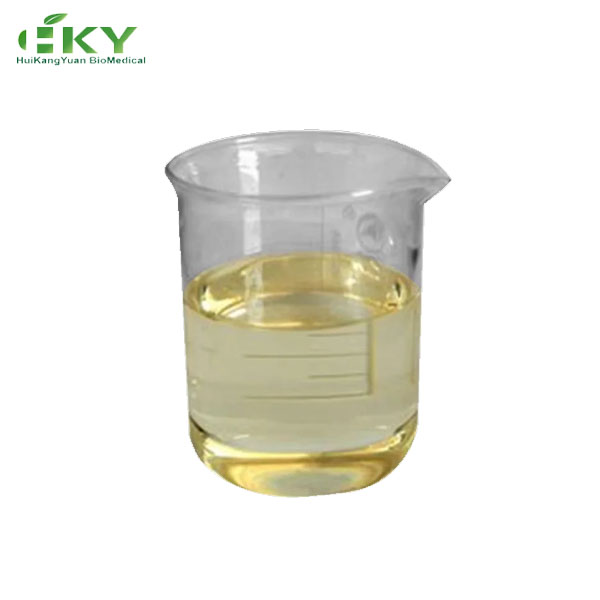
Appearance: Colorless clear transparent liquid
Shelf Life: 24 months
Cyclopentasiloxane, D5 silicone, Decamethylcyclopentasiloxane, volatile silicone, cosmetic silicone oil, skin emollient, hair conditioner, makeup base, silicone carrier fluid, cyclic siloxane
Cyclopentasiloxane (Decamethylcyclopentasiloxane, D5)-CAS 541-02-6
Cyclopentasiloxane, commonly known as D5, is a widely used volatile cyclic silicone fluid in the cosmetic and personal care industry. Renowned for its exceptional spreading properties, silky skin feel, and controlled volatility, D5 has become a staple ingredient in premium skincare, hair care, and color cosmetic formulations. As a lightweight silicone with low surface tension, it spreads easily and evenly across the skin and hair, leaving a smooth, non-greasy, velvety finish without heavy residue. Its moderate volatility allows it to evaporate gradually at skin temperature, delivering active ingredients effectively while leaving behind a soft, silky after-feel. D5 is also valued for its excellent solubilizing properties for various cosmetic ingredients and its ability to enhance the sensory experience of products, making it a versatile choice for everything from foundations and serums to deodorants and hair conditioners.

Key Benefits
• Excellent spreading: Low surface tension enables easy, even spreading across skin and hair
• Silky skin feel: Leaves skin smooth, soft, and velvety without greasiness or heaviness
• Controlled volatility: Moderate evaporation rate, delivers actives then dissipates without residue
• Non-comedogenic: Does not clog pores, suitable for all skin types including oily and acne-prone
• Enhanced sensory experience: Improves product texture, glide, and overall application feel
• Excellent solubilizer: Dissolves wide range of cosmetic ingredients and active compounds
• Hair conditioning: Reduces frizz, adds shine, improves combability and manageability
• SPF boosting: Enhances sunscreen performance, can increase SPF by 12%–18%
• Low skin penetration: <0.1% transdermal absorption, stays primarily on skin surface
• High purity: Cosmetic grade with D4 content ≤0.1%, meets global safety standards
Applications
• Skin care creams, lotions, and serums: Recommended usage 5%–30% for silky feel and spreading
• Foundations, BB creams, and color cosmetics: Recommended usage 5%–15% for smooth application and finish
• Sunscreens and sun care products: Recommended usage 5%–20% for SPF boosting and elegant texture
• Hair conditioners, hair masks, and hair serums: Recommended usage 1%–10% for conditioning and shine
• Deodorants and antiperspirants: Recommended usage 5%–20% as volatile carrier and emollient
• Lipsticks, lip glosses, and lip care: Recommended usage 3%–15% for smooth application and comfort
• Mascara and eye makeup: Recommended usage 2%–10% for smooth application and wear
• Nail polish and nail care products: Recommended usage 5%–20% as solvent and film modifier
• Perfumes and fragrance products: Recommended usage 2%–15% as fragrance carrier and fixative
• Shaving creams and shaving gels: Recommended usage 3%–10% for smooth glide and skin protection
Certificate Of Analysis (COA)
Test Item | Standard Requirement | Test Result | Test Method |
Appearance | Colorless clear transparent liquid | Complies | Visual inspection |
Purity (GC) | ≥99.5% | 99.7% | GC-FID |
Density (25°C) | 0.955–0.960 g/cm³ | 0.958 g/cm³ | GB/T 4472 |
Viscosity (25°C) | 3.8–4.2 mPa·s | 3.9 mPa·s | GB/T 10247 |
Refractive Index (25°C) | 1.394–1.398 | 1.396 | GB/T 6488 |
Flash Point (closed cup) | ≥76°C | 82°C | GB/T 261 |
Color (APHA/Hazen) | ≤20 | <10 | GB/T 3143 |
Water Content | ≤50 ppm | 18 ppm | Karl Fischer titration |
D4 Content (Octamethylcyclotetrasiloxane) | ≤0.1% | 0.03% | GC-FID |
Heavy Metals (as Pb) | ≤5 ppm | <1 ppm | ICP-MS |
Arsenic (As) | ≤2 ppm | <0.5 ppm | ICP-MS |
Lead (Pb) | ≤2 ppm | <0.5 ppm | ICP-MS |
Total Aerobic Count | ≤100 CFU/g | <10 CFU/g | GB 4789.2 |
Mold & Yeast | ≤10 CFU/g | <10 CFU/g | GB 4789.15 |
Conclusion | Complies with cosmetic grade specifications | ||
Frequently Asked Questions (FAQ)
Q1: What is the difference between D5 and D4 (Octamethylcyclotetrasiloxane)?
A: D5 has 5 silicone units in its ring structure, while D4 has 4. D5 is less volatile, has a higher boiling point, and is considered safer for human health. D4 is classified as CMR Category 2 (suspected reproductive toxicant) under EU regulations, so high-purity D5 strictly controls D4 content to ≤0.1%.
Q2: Is D5 safe for use in cosmetics? What about the EU restrictions?
A: D5 is generally recognized as safe for human health by CIR (up to 15%) and China's cosmetic regulations. The EU restriction (≤0.1% in rinse-off products) is based on environmental bioaccumulation concerns, not human health risks. Leave-on products have no such concentration limit in the EU.
Q3: Does D5 cause acne or clog pores? Is it suitable for oily skin?
A: No, D5 has a comedogenicity rating of 0 (non-comedogenic). It is lightweight and volatile, leaving no heavy residue. It is actually beneficial for oily skin types, providing a matte, silky finish without greasiness or pore-clogging effects.
Q4: What is the recommended usage level and how do I add it?
A: Typical usage ranges from 1%–30% depending on product type. Add directly to the oil phase of formulations. It is compatible with most cosmetic ingredients and works across a wide temperature range. No special handling required beyond standard silicone precautions.
Q5: What compliance documents can you provide?
A: Batch COA, SDS/GHS, Certificate of Origin, China Cosmetic Ingredient Inventory confirmation (No. 03031), technical data sheet, heavy metal and microbiological test reports, D4 content specification. REACH and FDA documentation available upon request.
Q6: How does D5 compare to Dimethicone (linear silicone)?
A: D5 is cyclic and volatile, evaporating completely at skin temperature with no residual build-up. Dimethicone is linear and non-volatile, leaving a longer-lasting protective film. D5 provides lighter, silkier feel and better spreading, while dimethicone offers longer-lasting conditioning and protection. They are often used together for synergistic effects.
Contact Us
💌 Contact us today for technical data, formulation guidance, and competitive pricing! E-mail:
You Might Also Like
1.ur Products A full range of high-quality cosmetic raw materials, including plant extracts, natural active ingredients, skin care actives and formulation additives. Stable supply & strict quality control.