Dipropylene Glycol Diacrylate (DPGDA)-CAS 57472-68-1
Product Name: Dipropylene Glycol Diacrylate (DPGDA)
INCI Name: DIPROPYLENE GLYCOL DIACRYLATE
CAS Number: 57472-68-1
EINECS Number: 260-754-3
Molecular Formula: C₁₂H₁₈O₅
Molecular Weight: 242.27 g/mol
Purity: ≥99.0%
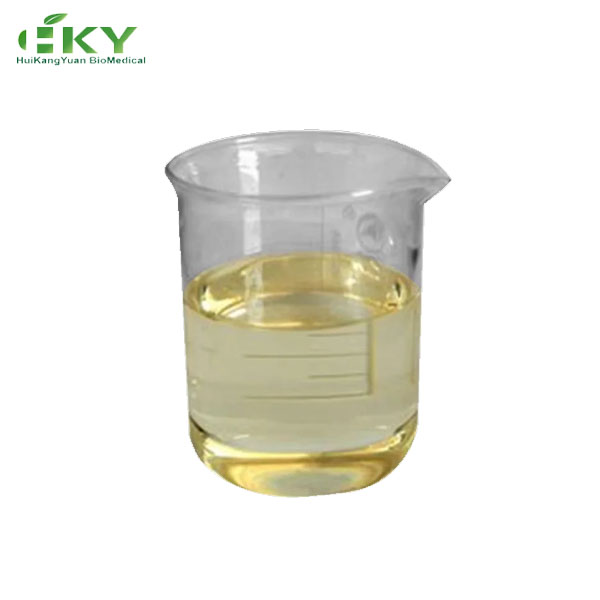
Appearance: Colorless to light yellow clear transparent liquid
Shelf Life: 12 months
Dipropylene Glycol Diacrylate, DPGDA, UV curable monomer, acrylic monomer, reactive diluent, film forming agent, nail gel monomer, UV gel polish ingredient, cosmetic acrylate, crosslinking monomer
Dipropylene Glycol Diacrylate (DPGDA)-CAS 57472-68-1
Dipropylene Glycol Diacrylate, commonly known as DPGDA, is a versatile difunctional acrylate monomer widely used in UV/EB curable formulations and cosmetic products. With its low viscosity, high reactivity, and excellent dilution power, DPGDA serves as an efficient reactive diluent that reduces formulation viscosity while contributing to the final polymer network upon curing. Its unique molecular structure, featuring two acrylate functional groups connected by a flexible dipropylene glycol ether chain, provides an ideal balance of crosslink density, flexibility, and adhesion performance. In cosmetic applications, DPGDA is valued for its ability to form durable, clear, and flexible films in UV-curable nail products, long-wear makeup, and peel-off masks. It cures rapidly under UV light to form a smooth, glossy, and long-lasting film that resists chipping and wear.

Key Benefits
• Low viscosity: Excellent dilution power, effectively reduces formulation viscosity for easy application
• High reactivity: Fast UV/EB curing speed, high conversion rate, improves production efficiency
• Difunctional crosslinking: Provides good crosslink density for durable, hard, and scratch-resistant films
• Good flexibility: Ether linkage in backbone provides moderate flexibility, reduces brittleness
• Excellent adhesion: Promotes adhesion to various substrates including plastic, metal, and nail plates
• Clear transparent films: Cured films are colorless and transparent with high gloss
• Good dilution efficiency: Lower viscosity than many other diacrylate monomers, more efficient dilution
• Good chemical resistance: Cured films resist water, solvents, and common chemicals
• Low volatility: Low vapor pressure, minimal VOC emissions during processing
• Versatile compatibility: Miscible with wide range of acrylate monomers, oligomers, and additives
Applications
• UV nail gels and gel polishes: Recommended usage 10%–40% as reactive diluent and crosslinker
• Long-wear makeup and foundations: Recommended usage 2%–15% for film forming and wear resistance
• Peel-off masks and peelable cosmetics: Recommended usage 5%–20% for flexible peelable films
• Hair styling glazes and setting products: Recommended usage 1%–10% for hold and shine
• UV-curable coatings (wood, plastic, metal): Recommended usage 5%–30% as reactive diluent
Certificate Of Analysis (COA)
Test Item | Standard Requirement | Test Result | Test Method |
Appearance | Colorless to light yellow clear liquid | Complies | Visual inspection |
Purity (GC) | ≥99.0% | 99.5% | GC-FID |
Density (25°C) | 1.02–1.06 g/cm³ | 1.045 g/cm³ | GB/T 4472 |
Viscosity (25°C) | 8–15 mPa·s | 11 mPa·s | GB/T 10247 |
Refractive Index (25°C) | 1.445–1.455 | 1.450 | GB/T 6488 |
Flash Point (closed cup) | ≥100°C | 106°C | GB/T 261 |
Color (APHA/Pt-Co) | ≤50 | <30 | GB/T 3143 |
Acid Value | ≤0.5 mgKOH/g | 0.2 mgKOH/g | GB/T 2895 |
Water Content | ≤0.2% | 0.08% | Karl Fischer titration |
MEHQ Inhibitor | 100–200 ppm | 150 ppm | HPLC |
Heavy Metals (as Pb) | ≤10 ppm | <5 ppm | ICP-MS |
Arsenic (As) | ≤2 ppm | <0.5 ppm | ICP-MS |
Lead (Pb) | ≤5 ppm | <1 ppm | ICP-MS |
Total Aerobic Count | ≤100 CFU/g | <10 CFU/g | GB 4789.2 |
Conclusion | Complies with cosmetic/industrial grade specifications | ||
Frequently Asked Questions (FAQ)
Q1: What is the difference between DPGDA and TPGDA (Tripropylene Glycol Diacrylate)?
A: DPGDA has 2 propylene glycol units while TPGDA has 3. DPGDA has lower viscosity, higher reactivity, and provides harder films. TPGDA is more flexible, less irritating, and has better adhesion but lower reactivity. Choose based on your specific balance of hardness, flexibility, and cure speed needs.
Q2: Is DPGDA safe for use in cosmetics? What about skin sensitization?
A: Uncured acrylate monomers can cause skin sensitization with prolonged or repeated contact, which is standard for all acrylate monomers. Once fully cured under UV light, the polymerized film is non-sensitizing and safe. Proper PPE should be worn during handling, and products should be fully cured before skin contact.
Q3: What is the shelf life and how should DPGDA be stored?
A: Shelf life is 12 months in original sealed packaging. Store in a cool, dark, well-ventilated area away from heat sources and direct sunlight. Keep containers tightly sealed to prevent evaporation and contamination. Avoid storage near initiators, peroxides, or strong oxidizing agents.
Q4: How much photoinitiator is needed for UV curing with DPGDA?
A: Typical photoinitiator dosage is 2%–5% based on total formulation weight. Common choices include 1173, 184, TPO, and BP. The exact amount depends on film thickness, UV intensity, cure speed requirements, and other formulation components. Test in your specific system for optimal results.
Q5: What compliance documents can you provide?
A: Batch COA, SDS/GHS safety data sheet, Certificate of Origin, INCI confirmation letter, technical data sheet, heavy metal and microbiological test reports, REACH registration documentation, and food contact compliance (if applicable). Cosmetic grade material meets global cosmetic ingredient requirements.
Contact Us
💌 Contact us today for technical data, formulation guidance, and competitive pricing! E-mail:
You Might Also Like
1.ur Products A full range of high-quality cosmetic raw materials, including plant extracts, natural active ingredients, skin care actives and formulation additives. Stable supply & strict quality control.