Lauryl Betaine (Dodecyl Dimethyl Betaine, BS-12)-CAS 683-10-3
Product Name: Lauryl Betaine (Dodecyl Dimethyl Betaine, BS-12)
INCI Name: LAURYL BETAINE
CAS Number: 683-10-3
EINECS Number: 211-669-5
Molecular Formula: C₁₆H₃₃NO₂
Molecular Weight: 271.44 g/mol
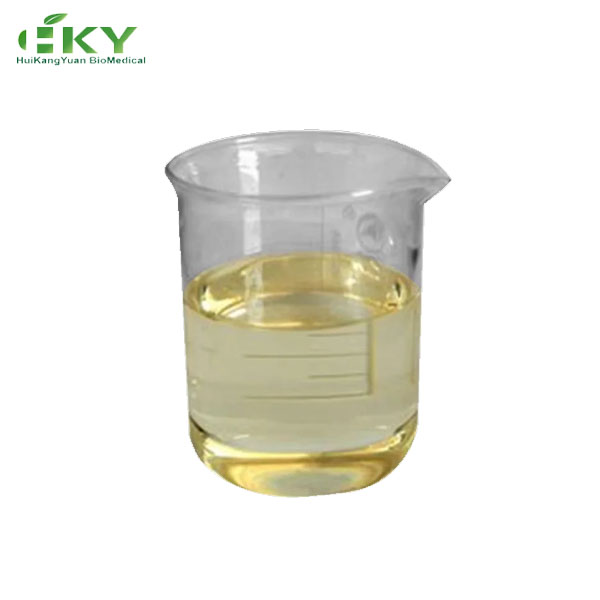
Appearance: Colorless to light yellow transparent liquid
pH Value (5% aqueous solution): 5.0–8.0
Solid Content: 28.0%–32.0%
Sodium Chloride: ≤7.0%
Free Amine: ≤2.0%
Shelf Life: 24 months
Lauryl Betaine, Dodecyl Dimethyl Betaine, BS-12, amphoteric surfactant, mild surfactant, cosmetic foaming agent, baby shampoo ingredient, hair conditioner, anti-static agent, biodegradable surfactant
Lauryl Betaine (Dodecyl Dimethyl Betaine, BS-12)-CAS 683-10-3
Lauryl Betaine, also known as Dodecyl Dimethyl Betaine or BS-12, is a versatile amphoteric/zwitterionic surfactant widely used in the personal care and cosmetic industry. Its unique molecular structure carries both positive and negative charges simultaneously, giving it excellent compatibility with anionic, cationic, nonionic, and amphoteric surfactants. This mild surfactant is renowned for its ability to produce rich, stable, creamy foam while maintaining gentle cleansing properties that do not strip the skin or hair of natural moisture.
Lauryl Betaine also functions as a conditioning agent, reducing hair static and improving manageability, while contributing to skin softness and smoothness. With low irritation potential, excellent hard water resistance, and ready biodegradability, it is an ideal choice for baby care products, sensitive skin formulations, and a wide range of cleansing products where mildness and performance are equally important.

Key Benefits
• Mild cleansing properties: Gentle on skin and hair, less irritating than SLS/SLES and soap-based surfactants
• Rich stable foam: Produces abundant, creamy, long-lasting foam with excellent foam stability
• Broad formulation compatibility: Works well with anionic, cationic, nonionic, and amphoteric surfactants
• Hair conditioning and anti-static: Reduces hair static, improves combability and manageability
• Skin softening effect: Leaves skin feeling smooth and soft after cleansing, non-drying
• Excellent hard water resistance: Maintains performance in hard water, does not form precipitates
• Thickening and viscosity building: Helps increase and stabilize viscosity of surfactant systems
• Readily biodegradable: Environmentally friendly, breaks down easily in the natural environment
• Non-comedogenic: Does not clog pores, suitable for all skin types including acne-prone skin
• Baby and sensitive skin safe: Low irritation potential, ideal for delicate skin formulations
Applications
• Shampoos and hair washes: Recommended usage 3%–12% (as 30% active product) for foam boosting and conditioning
• Body washes and shower gels: Recommended usage 3%–10% (as 30% active product) for rich foam and mild cleansing
• Facial cleansers and face washes: Recommended usage 2%–8% (as 30% active product) for gentle, non-drying cleanse
• Baby shampoos and baby washes: Recommended usage 2%–8% (as 30% active product) for ultra-mild baby care
• Hand soaps and liquid soaps: Recommended usage 3%–10% (as 30% active product) for mild hand cleansing
• Hair conditioners and hair masks: Recommended usage 1%–5% (as 30% active product) for anti-static and conditioning
• Oral care products (toothpaste, mouthwash): Recommended usage 0.5%–3% (as 30% active product) as mild foaming agent
• Sensitive skin care products: Recommended usage 3%–10% (as 30% active product) for non-irritating formulations
• Bubble baths and foam baths: Recommended usage 5%–15% (as 30% active product) for rich, long-lasting bubbles
• Pet care products (pet shampoos): Recommended usage 3%–10% (as 30% active product) for gentle pet cleansing
Certificate Of Analysis (COA)
Test Item | Standard Requirement | Test Result | Test Method |
Appearance | Colorless to light yellow transparent liquid | Complies | Visual inspection |
Active Matter | 28.0%–32.0% | 30.5% | Potentiometric titration |
pH Value (5% solution) | 5.0–8.0 | 6.8 | GB/T 6368 |
Solid Content | 28.0%–32.0% | 31.2% | Gravimetric method |
Sodium Chloride | ≤7.0% | 5.8% | Mohr method |
Free Amine | ≤2.0% | 0.8% | Titration method |
Color (APHA) | ≤100 | 45 | GB/T 3143 |
Chloroacetic Acid | ≤0.1% | <0.01% | Ion chromatography |
Heavy Metals (as Pb) | ≤10 ppm | <2 ppm | ICP-MS |
Arsenic (As) | ≤2 ppm | <0.5 ppm | ICP-MS |
Lead (Pb) | ≤5 ppm | <1 ppm | ICP-MS |
Total Aerobic Count | ≤1,000 CFU/g | <10 CFU/g | GB 4789.2 |
Mold & Yeast | ≤100 CFU/g | <10 CFU/g | GB 4789.15 |
E. coli | Absent in 1g | Not detected | GB 4789.3 |
Conclusion | Complies with cosmetic grade specifications | ||
Frequently Asked Questions (FAQ)
Q1: What is the difference between Lauryl Betaine and Cocamidopropyl Betaine (CAPB)?
A: Lauryl Betaine is a direct alkyl betaine (C12 chain), while CAPB has an amide group linking the alkyl chain to the betaine head. Lauryl Betaine is slightly milder and has better skin feel, while CAPB provides stronger foam and is more cost-effective. Both are excellent amphoteric surfactants; choose based on your mildness and cost priorities.
Q2: Is Lauryl Betaine really mild enough for baby products?
A: Yes. CIR has confirmed it safe for cosmetic use at concentrations up to 8.8% in rinse-off products. It has low skin and eye irritation potential, and is widely used in premium baby shampoos and washes as a mild co-surfactant.
Q3: Does Lauryl Betaine help with thickening? How does it compare to salt thickening?
A: Yes, it contributes to viscosity building in anionic surfactant systems, but its thickening effect is moderate. It works synergistically with salt (NaCl) to boost viscosity. Unlike salt-only thickening, betaine provides both thickening and conditioning benefits without making the product feel harsh.
Q4: What is the recommended usage level and how do I add it?
A: 3%–12% as co-surfactant (based on 30% active product). Add directly to the water phase at room temperature or with gentle heating. It is compatible with all surfactant types and works across a wide pH range (4–10).
Q5: What compliance documents can you provide?
A: Batch COA, SDS/GHS, Certificate of Origin, China Cosmetic Ingredient Inventory confirmation (No. 08379), technical data sheet, heavy metal and microbiological test reports. REACH registration and FDA documentation available upon request.
Q6: Does Lauryl Betaine contain nitrosamines or other harmful impurities?
A: High-quality cosmetic grade Lauryl Betaine controls nitrosamine levels to below detection limits (<10 ppb). Our product also monitors chloroacetic acid residue to ≤0.1%, ensuring it meets the strictest cosmetic safety standards worldwide.
Q1: What is the difference between Lauryl Betaine and Cocamidopropyl Betaine (CAPB)?
A: Lauryl Betaine is a direct alkyl betaine (C12 chain), while CAPB has an amide group linking the alkyl chain to the betaine head. Lauryl Betaine is slightly milder and has better skin feel, while CAPB provides stronger foam and is more cost-effective. Both are excellent amphoteric surfactants; choose based on your mildness and cost priorities.
Q2: Is Lauryl Betaine really mild enough for baby products?
A: Yes. CIR has confirmed it safe for cosmetic use at concentrations up to 8.8% in rinse-off products. It has low skin and eye irritation potential, and is widely used in premium baby shampoos and washes as a mild co-surfactant.
Q3: Does Lauryl Betaine help with thickening? How does it compare to salt thickening?
A: Yes, it contributes to viscosity building in anionic surfactant systems, but its thickening effect is moderate. It works synergistically with salt (NaCl) to boost viscosity. Unlike salt-only thickening, betaine provides both thickening and conditioning benefits without making the product feel harsh.
Q4: What is the recommended usage level and how do I add it?
A: 3%–12% as co-surfactant (based on 30% active product). Add directly to the water phase at room temperature or with gentle heating. It is compatible with all surfactant types and works across a wide pH range (4–10).
Q5: What compliance documents can you provide?
A: Batch COA, SDS/GHS, Certificate of Origin, China Cosmetic Ingredient Inventory confirmation (No. 08379), technical data sheet, heavy metal and microbiological test reports. REACH registration and FDA documentation available upon request.
Q6: Does Lauryl Betaine contain nitrosamines or other harmful impurities?
A: High-quality cosmetic grade Lauryl Betaine controls nitrosamine levels to below detection limits (<10 ppb). Our product also monitors chloroacetic acid residue to ≤0.1%, ensuring it meets the strictest cosmetic safety standards worldwide.
Contact Us
💌 Contact us today for technical data, formulation guidance, and competitive pricing! E-mail:
You Might Also Like
1.ur Products A full range of high-quality cosmetic raw materials, including plant extracts, natural active ingredients, skin care actives and formulation additives. Stable supply & strict quality control.