Sodium Cocoyl Aminopropionate (CAS 90170-45-9)
Product Name: Sodium Cocoyl Aminopropionate (Sodium Cocoyl Alaninate)
INCI Name: SODIUM COCOYL ALANINATE
CAS Number: 90170-45-9
EINECS Number: 290-478-9
Molecular Formula: RCONHCH(CH₃)COONa (R = coco alkyl, C₈-C₁₈)
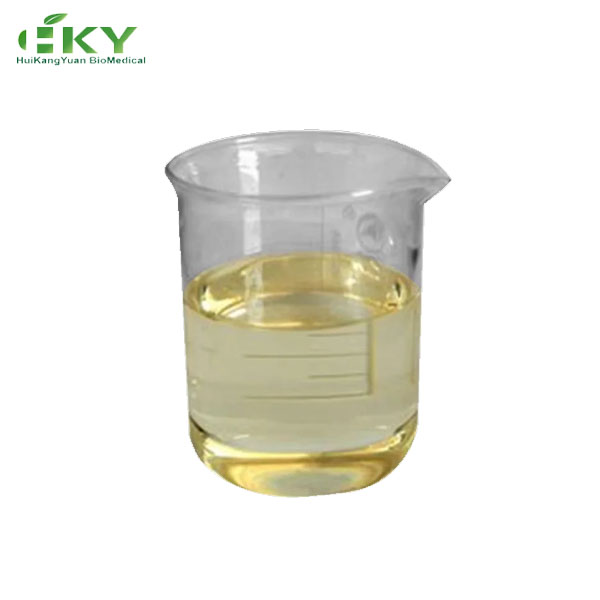
Appearance: Colorless to light yellow transparent liquid
Shelf Life: 24 months
Sodium Cocoyl Aminopropionate, Sodium Cocoyl Alaninate, amino acid surfactant, mild anionic surfactant, cosmetic cleanser, natural surfactant, baby shampoo ingredient, facial cleanser surfactant, coconut oil derived surfactant, eco-friendly surfactant
Sodium Cocoyl Aminopropionate (CAS 90170-45-9)
Sodium Cocoyl Aminopropionate, also known as Sodium Cocoyl Alaninate, is a premium amino acid-based anionic surfactant derived from natural coconut oil fatty acids and L-alanine. Renowned for its exceptional mildness and skin-friendly properties, this surfactant has become a preferred choice for high-end personal care and baby care formulations.
Unlike traditional sulfate-based surfactants that can cause skin dryness and irritation, Sodium Cocoyl Aminopropionate delivers gentle yet effective cleansing while maintaining the skin's natural barrier function. It produces rich, creamy, fine-textured foam that feels luxurious on the skin, and leaves skin feeling soft, moisturized, and non-tight after rinsing. With excellent hard water resistance, broad formulation compatibility, and ready biodegradability, this eco-friendly surfactant is widely used in facial cleansers, baby shampoos, body washes, and other mild cleansing products where skin gentleness is a top priority.

Key Benefits
• Ultra-mild cleansing: Exceptionally gentle on skin and eyes, far milder than SLS/SLES and soap-based surfactants
• Natural amino acid derived: Made from coconut oil fatty acids and L-alanine, plant-based and eco-friendly
• Rich creamy foam: Produces abundant, fine, velvety foam with luxurious sensory experience
• Non-tight after feel: Leaves skin soft and moisturized after cleansing, no dryness or tightness
• Excellent hard water resistance: Stable in hard water, does not form calcium soap precipitates
• Broad formulation compatibility: Works well with anionic, nonionic, amphoteric, and cationic surfactants
• Anti-irritation properties: Reduces irritation from harsher surfactants when used in combination
• Skin and hair conditioning: Imparts smooth, soft feel to skin and improves hair manageability
• Readily biodegradable: Environmentally friendly, breaks down easily in nature
• Sensitive skin and baby safe: Suitable for the most delicate skin types, including infants and sensitive skin
Applications
• Premium facial cleansers and cleansing creams: Recommended usage 5%–20% (active) as primary surfactant
• Baby shampoos and baby washes: Recommended usage 3%–15% (active) for ultra-mild cleansing
• Body washes and shower gels: Recommended usage 5%–15% (active) for gentle, moisturizing cleanse
• Sensitive skin care products: Recommended usage 5%–20% (active) for non-irritating formulations
• Shampoos and hair cleansers: Recommended usage 3%–12% (active) for mild cleansing and conditioning
• Makeup removers and cleansing milks: Recommended usage 2%–10% (active) for gentle makeup removal
• Hand soaps and liquid soaps: Recommended usage 5%–15% (active) for mild hand cleansing
• Oral care products (toothpaste, mouthwash): Recommended usage 1%–5% (active) as mild foaming agent
• Shaving creams and foams: Recommended usage 3%–10% (active) for rich cushioning foam
• Pet care products (pet shampoos): Recommended usage 3%–12% (active) for gentle pet cleansing
Certificate Of Analysis (COA)
Test Item | Standard Requirement | Test Result | Test Method |
Appearance | Colorless to light yellow transparent liquid | Complies | Visual inspection |
Active Matter | 28.0%–32.0% | 30.2% | Potentiometric titration |
pH Value (10% solution) | 8.0–10.0 | 9.1 | GB/T 6368 |
Solid Content | 28.0%–32.0% | 30.8% | Gravimetric method |
Sodium Chloride | 4.0%–6.0% | 5.2% | Mohr method |
Color (APHA) | ≤100 | 45 | GB/T 3143 |
Free Fatty Acid | ≤1.0% | 0.3% | Titration method |
Free Amine | ≤0.5% | 0.15% | Titration method |
Heavy Metals (as Pb) | ≤10 ppm | <2 ppm | ICP-MS |
Arsenic (As) | ≤2 ppm | <0.5 ppm | ICP-MS |
Lead (Pb) | ≤5 ppm | <1 ppm | ICP-MS |
Total Aerobic Count | ≤1,000 CFU/g | <10 CFU/g | GB 4789.2 |
Mold & Yeast | ≤100 CFU/g | <10 CFU/g | GB 4789.15 |
E. coli | Absent in 1g | Not detected | GB 4789.3 |
Conclusion | Complies with cosmetic grade specifications | ||
Frequently Asked Questions (FAQ)
Q1: What is the difference between Sodium Cocoyl Alaninate and Sodium Cocoyl Glutamate?
A: Alaninate is derived from alanine (smaller amino acid), while glutamate comes from glutamic acid. Alaninate produces richer, creamier foam and has better skin feel, while glutamate is slightly milder and more widely available. Both are excellent amino acid surfactants; choose based on your foam and cost requirements.
Q2: Is Sodium Cocoyl Aminopropionate really mild enough for baby products?
A: Yes. It has extremely low skin and eye irritation potential, comparable to baby-safe standards. It is widely used in premium baby shampoos and washes, and is considered one of the mildest anionic surfactants available.
Q3: How does it perform in hard water? Will it form scum?
A: Excellent hard water resistance. Unlike soap-based surfactants, it does not form insoluble calcium or magnesium salts in hard water. It maintains good foaming and cleansing performance even in high-hardness water conditions.
Q4: What is the recommended usage level and how do I add it?
A: 5%–20% as primary surfactant, 2%–10% as co-surfactant (based on active matter). Add directly to the water phase at room temperature or with gentle heating (40–50°C). Adjust pH to 5.5–7.5 for optimal skin mildness in finished products.
Q5: What compliance documents can you provide?
A: Batch COA, SDS/GHS, Certificate of Origin, China Cosmetic Ingredient Inventory confirmation (No. 07543), technical data sheet, heavy metal and microbiological test reports. REACH and FDA documentation available upon request.
Q6: What is the difference between liquid and powder forms?
A: Liquid form (30% active) is easier to handle and dissolve directly in water, convenient for production. Powder form (≥95% active) has lower shipping costs and longer shelf life, but requires dissolution. Liquid is more common for cosmetic manufacturing due to ease of use.
Contact Us
💌 Contact us today for technical data, formulation guidance, and competitive pricing! E-mail:
You Might Also Like
1.ur Products A full range of high-quality cosmetic raw materials, including plant extracts, natural active ingredients, skin care actives and formulation additives. Stable supply & strict quality control.