Dipotassium Glycyrrhizate, DPG(CAS 68797-35-3)
Product Name: Dipotassium Glycyrrhizate (DPG, Dipotassium Glycyrrhizinate)
INCI Name: DIPOTASSIUM GLYCYRRHIZATE
Common Name: Glycyrrhizic Acid Dipotassium Salt, Licorice Root Extract;
CAS Number: 68797-35-3
EINECS Number: 272-296-1
Molecular Formula: C₄₂H₆₀K₂O₁₆
Molecular Weight: 899.11 g/mol
Product Purity: ≥98.0%
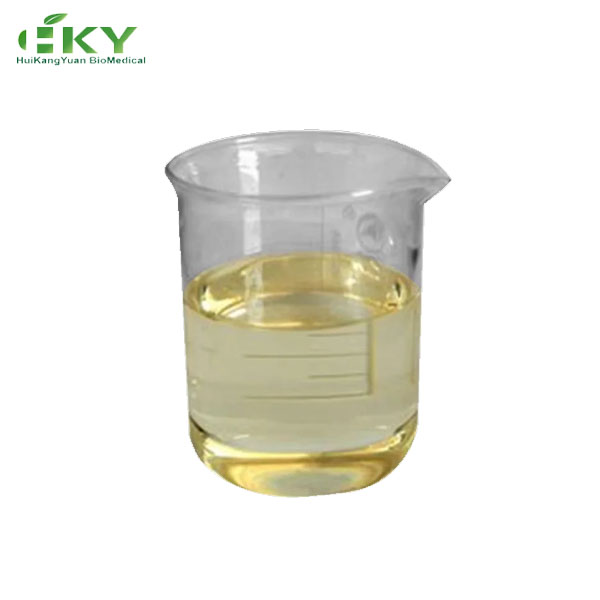
Appearance: White to off-white crystalline powder, odorless, with characteristic sweet taste
Shelf Life: 24 months under sealed cool, dry and dark storage
Dipotassium Glycyrrhizate, DPG, licorice root extract, anti-inflammatory skincare, soothing sensitive skin, anti-allergic cosmetic ingredient, skin whitening agent, melanin inhibitor, post-sun repair, natural plant extract
Dipotassium Glycyrrhizate, DPG(CAS 68797-35-3)
Dipotassium Glycyrrhizate (DPG) is the dipotassium salt of glycyrrhizic acid, a naturally occurring triterpenoid saponin extracted from the roots of licorice (Glycyrrhiza glabra / Glycyrrhiza uralensis). As one of the most widely used natural active ingredients in the cosmetic industry, it is renowned for its potent anti-inflammatory, anti-allergic, skin-soothing, and skin-brightening properties.
Dipotassium Glycyrrhizate is widely incorporated into sensitive skin care products, post-sun repair formulations, whitening serums, anti-acne products, and baby care items, and it works synergistically with other actives like tranexamic acid and zinc oxide to enhance overall efficacy.

Key Benefits
• Skin whitening & depigmenting effect, inhibits melanin production, improves hyperpigmentation
• Antioxidant protection, scavenges free radicals, protects skin from oxidative damage
• Natural plant origin, extracted from licorice root, gentle and safe
• Promotes skin barrier repair, accelerates tissue healing, enhances skin hydration
• Excellent water solubility, strong formulation compatibility, easy to incorporate
• Synergistic enhancement with other actives (Tranexamic Acid, Zinc Oxide, etc.)
• Gentle and non-irritating, suitable for sensitive skin, acne-prone skin and post-sun repair
Applications
• Sensitive skin repair products, soothing creams & lotions: Recommended dosage 0.1%–2%
• Whitening & depigmenting serums, spot-correcting creams: Recommended dosage 0.5%–3%
• Post-sun repair products, soothing masks: Recommended dosage 0.2%–2%
• Anti-acne products, acne treatment serums: Recommended dosage 0.5%–2%
• Anti-aging serums, anti-wrinkle creams: Recommended dosage 0.1%–1%
• Toners, essences & lotions: Recommended dosage 0.1%–1%
• Body lotions & moisturizers: Recommended dosage 0.05%–0.5%
• Eye care products (eye creams, eye serums): Recommended dosage 0.1%–1%
• Cleansing products (face wash, body wash): Recommended dosage 0.05%–0.5%
• Baby care products: Recommended dosage 0.05%–0.3%
Certificate Of Analysis (COA)
Test Item | Standard Requirement | Test Result | Test Method |
Appearance | White to off-white crystalline powder, odorless, characteristic sweet taste | Complied | Visual & Olfactory Inspection |
Assay (HPLC, dry basis) | ≥98.0% | 98.6% | HPLC |
pH Value (1% Aqueous Solution) | 5.0–6.0 | 5.6 | pH Meter |
Loss on Drying | ≤6.0% | 3.2% | Gravimetric Method |
Residue on Ignition | 18.0%–22.0% | 19.8% | Gravimetric Method |
Clarity | Clear | Clear | Visual Inspection |
Chloride | ≤0.014% | 0.008% | Silver Nitrate Turbidimetry |
Sulfate | ≤0.029% | 0.015% | Barium Chloride Turbidimetry |
Heavy Metal (as Pb) | ≤10 ppm | <2 ppm | ICP-MS |
Arsenic (As) | ≤2 ppm | <0.5 ppm | ICP-MS |
Lead (Pb) | ≤10 ppm | <1 ppm | ICP-MS |
Total Aerobic Bacteria | ≤1000 CFU/g | <10 CFU/g | Plate Count Method |
Mold & Yeast | ≤100 CFU/g | <10 CFU/g | Plate Count Method |
Escherichia Coli | Negative | Not Detected | National Standard Test |
Conclusion | Meet global cosmetic grade Dipotassium Glycyrrhizate standard | Qualified | / |
Frequently Asked Questions (FAQ) & Document Request Frequently Asked Questions (FAQ) & Document Request
Q1: What is the difference between Dipotassium Glycyrrhizate, Glycyrrhizic Acid and Glycyrrhetinic Acid?
A: These are three different licorice-derived active ingredients with varying properties and applications. Glycyrrhizic Acid (Glycyrrhizin) is the primary triterpenoid saponin naturally found in licorice root, with strong anti-inflammatory activity but limited water solubility. Dipotassium Glycyrrhizate (DPG) is the dipotassium salt form of glycyrrhizic acid, which significantly improves water solubility and formulation compatibility while retaining the anti-inflammatory and soothing benefits — making it the most commonly used form in cosmetics. Glycyrrhetinic Acid (Enoxolone) is the aglycone form (the triterpenoid backbone without the sugar side chains), which is more lipophilic and has stronger anti-inflammatory potency but is more difficult to formulate with. For cosmetic applications, Dipotassium Glycyrrhizate is the preferred choice due to its excellent balance of efficacy, solubility, safety, and cost-effectiveness.
Q2: How effective is Dipotassium Glycyrrhizate for skin whitening compared to Tranexamic Acid and Niacinamide?
A: Dipotassium Glycyrrhizate does have demonstrated whitening activity — it inhibits tyrosinase activity and melanin synthesis, and its anti-inflammatory action also helps reduce post-inflammatory hyperpigmentation (PIH). However, its whitening potency is generally considered milder compared to dedicated whitening actives. Tranexamic Acid is a potent anti-pigmentation ingredient that works by inhibiting plasmin and reducing melanocyte activation, particularly effective for melasma and PIH. Niacinamide (Vitamin B3) works by inhibiting melanosome transfer and improving skin barrier, with well-documented whitening and brightening effects. The good news is that these ingredients work synergistically — combining Dipotassium Glycyrrhizate with Tranexamic Acid or Niacinamide can enhance overall whitening results while also providing anti-inflammatory and soothing benefits, which is why many premium whitening formulations include all three for a multi-pathway approach to pigmentation control.
Q3: How should Dipotassium Glycyrrhizate be added in formulation? Are there any contraindications?
A: Dipotassium Glycyrrhizate is water-soluble and relatively easy to formulate with. It is typically added to the water phase and can be dissolved at room temperature or with gentle heating (40–60°C helps speed dissolution). Key considerations: 1) pH compatibility — it works best in the pH range of 4.0–7.0, which covers most cosmetic products; 2) It is compatible with most cosmetic ingredients including other humectants, emulsifiers, preservatives, and active ingredients; 3) Since it is a powder, ensure complete dissolution to avoid gritty texture in finished products; 4) It works synergistically with other anti-inflammatory or whitening actives — combining with Tranexamic Acid, Centella Asiatica Extract, Niacinamide, or Zinc Oxide can enhance efficacy; 5) Avoid combining with strong cationic surfactants at high concentrations as it may cause precipitation. There are no major known contraindications, and it is generally considered a very safe and compatible cosmetic ingredient.
Q4: How stable is Dipotassium Glycyrrhizate? Does it degrade or lose activity in formulations?
A: Dipotassium Glycyrrhizate has good stability under normal cosmetic processing and storage conditions. It is relatively heat-stable and can withstand typical formulation temperatures (up to 80°C for short periods). It remains stable across a wide pH range (4–8) and is compatible with common preservative systems. However, it may degrade slowly under very high pH (above 9) or prolonged exposure to strong UV light, and its color may gradually darken under extreme conditions. Under normal storage conditions (sealed, cool, away from direct sunlight), the raw material has a shelf life of 24 months. In finished cosmetic products stored under normal conditions, it maintains its activity throughout the product's shelf life. For optimal stability, it is recommended to store finished products away from direct sunlight and avoid prolonged exposure to high temperatures. It does not react with most other cosmetic ingredients and does not interfere with product preservation systems.
Contact Us
💌 Contact us today for technical data, formulation guidance, and competitive pricing! E-mail:
You Might Also Like
1.ur Products A full range of high-quality cosmetic raw materials, including plant extracts, natural active ingredients, skin care actives and formulation additives. Stable supply & strict quality control.