Isononyl Isononanoate(CAS 59219-71-5 / 42131-25-9)
Product Name: Isononyl Isononanoate
INCI Name: ISONONYL ISONONANOATE
Common Name: Synthetic Silk Oil
CAS Number: 59219-71-5 / 42131-25-9
EINECS Number: 261-665-2
Molecular Formula: C₁₈H₃₆O₂
Molecular Weight: 284.48 g/mol
Product Purity: ≥99.0%
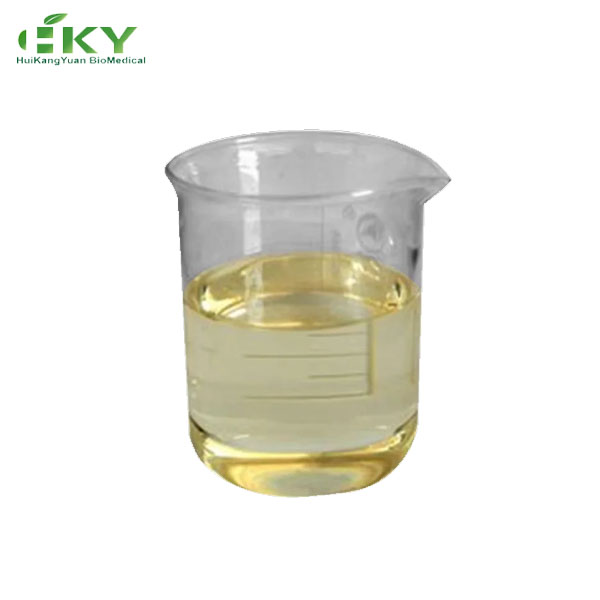
Appearance: Colorless transparent oily liquid, odorless and tasteless
Shelf Life: 24 months under sealed cool, dry and dark storage
Isononyl Isononanoate, synthetic silk oil, premium cosmetic ester, lightweight emollient, silicone alternative ester, pigment dispersion agent, skin penetration enhancer, non-greasy skincare oil, hair smoothing ester, color cosmetics base oil
Isononyl Isononanoate(CAS 59219-71-5 / 42131-25-9)
Isononyl Isononanoate, commonly known as "synthetic silk oil", is a high-performance branched synthetic ester widely used in premium cosmetics and personal care products. Derived from isononanoic acid and isononyl alcohol, its unique branched molecular structure gives it an exceptionally silky, lightweight skin feel that mimics the luxurious texture of natural silk. Unlike heavy mineral oils or greasy vegetable oils that leave a shiny residue, this premium ester absorbs quickly and delivers a dry-touch, non-greasy finish with excellent spreadability. It also exhibits outstanding pigment dispersion capability, silicone compatibility, and skin penetration enhancing effects, making it a versatile core ingredient for high-end skincare, color cosmetics, and hair care formulations. As an eco-friendly silicone alternative with excellent biodegradability and safety profile, it has become the preferred choice for clean beauty and premium cosmetic brands worldwide.

Key Benefits
• Ultra-silky skin feel, famously known as "synthetic silk oil", soft and luxurious
• Exceptional spreadability, applies smoothly and evenly without pulling
• Low viscosity, fast-absorbing, completely non-greasy and non-comedogenic
• Excellent pigment and powder dispersion, prevents caking in color cosmetics
• Skin penetration enhancer, boosts active ingredient transdermal absorption
• Perfect silicone compatibility, acts as silicone stabilizer and coupling agent
• Excellent chemical stability, resistant to oxidation and rancidity, long shelf life
• Completely odorless and tasteless, low color (≤30 APHA), no impact on product fragrance
• Non-irritating, low sensitization rate, safe for sensitive skin and baby products
• Outstanding hair conditioning effect, reduces static, closes cuticles, boosts shine
Applications
• Premium skincare serums, creams & lotions: Recommended dosage 2%–10%
• Foundation, BB cream & pressed powder color cosmetics: Recommended dosage 3%–15%
• Makeup cleansing oil, cleansing balm & micellar water: Recommended dosage 5%–20%
• Hair conditioner, hair mask & hair oil: Recommended dosage 1%–8%
• Lipstick, liquid lip gloss & lip balm: Recommended dosage 2%–12%
• Sunscreen lotion & sunscreen spray: Recommended dosage 2%–8%
• Perfume & fragrance products: as essential oil carrier solvent
• Baby care products (body lotion, diaper cream, etc.)
• Body lotion, moisturizing cream & bath oil
• Eye care products (eye cream, eye serum, etc.)
Certificate Of Analysis (COA)
Test Item | Standard Requirement | Test Result | Test Method |
Appearance | Colorless transparent oily liquid, odorless | Complied | Visual & Olfactory Inspection |
Purity (GC) | ≥99.0% | 99.68% | Gas Chromatography |
Color (APHA) | ≤30 | 15 | Platinum-Cobalt Colorimetry |
Acid Value | ≤0.1 mgKOH/g | 0.04 mgKOH/g | Potentiometric Titration |
Saponification Value | 195–205 mgKOH/g | 199.2 mgKOH/g | Reflux Titration Method |
Iodine Value | ≤0.5 gI₂/100g | 0.18 gI₂/100g | Wijs Method |
Density (25°C) | 0.840–0.855 g/cm³ | 0.847 g/cm³ | Hydrometer Method |
Refractive Index (20°C) | 1.435–1.440 | 1.4372 | Abbe Refractometer |
Water Content | ≤0.1% | 0.03% | Karl Fischer Titration |
Heavy Metal (as Pb) | ≤10 ppm | <2 ppm | ICP-MS |
Arsenic (As) | ≤2 ppm | <0.5 ppm | ICP-MS |
Total Aerobic Bacteria | ≤100 CFU/g | Not Detected | Plate Count Method |
Mold & Yeast | ≤10 CFU/g | Not Detected | Plate Count Method |
Escherichia Coli | Negative | Not Detected | National Standard Test |
Conclusion | Meet global cosmetic grade isononyl isononanoate standard | Qualified | / |
Frequently Asked Questions (FAQ) & Document Request Frequently Asked Questions (FAQ) & Document Request
Q1: Why is isononyl isononanoate called "synthetic silk oil"? How does it differ from natural silk oil?
A: It earned the nickname "synthetic silk oil" due to its uniquely silky, lightweight skin feel that closely resembles the luxurious texture of natural silk-derived oils. The key difference is that natural silk oil (such as silk peptide oil or sericin oil) is protein-derived and may have allergenic potential, while isononyl isononanoate is a fully synthetic branched ester with consistent quality, excellent stability, and virtually no sensitization risk. It also offers better pigment dispersion and longer shelf life compared to natural silk-derived ingredients, making it more suitable for industrial-scale cosmetic production.
Q2: What advantages does this ester have compared to other common synthetic esters like IPP or IPM?
A: Compared to isopropyl palmitate (IPP) and isopropyl myristate (IPM), isononyl isononanoate offers several key advantages: 1) Superior skin feel — silkier and less greasy with a drier finish; 2) Better spreadability — covers more surface area per gram, improving cost-effectiveness; 3) Lower comedogenic potential — much less likely to clog pores, making it safer for acne-prone skin; 4) Better oxidative stability — less prone to rancidity; 5) Excellent silicone compatibility — works synergistically with silicones, unlike IPP/IPM which may cause compatibility issues in silicone-heavy formulas; 6) Pigment dispersion is significantly better for color cosmetics.
Q3: Does isononyl isononanoate really enhance skin penetration? Will it cause unwanted ingredients to penetrate too?
A: Yes, studies have shown that isononyl isononanoate can moderately enhance the transdermal absorption of lipid-soluble active ingredients by improving skin barrier fluidity. However, its penetration-enhancing effect is mild and selective — it primarily affects lipophilic actives with appropriate molecular weight, not all ingredients indiscriminately. It does not cause harmful preservatives or fragrances to penetrate deeper into the skin at problematic levels. For formulations where enhanced penetration is desired, it is considered a safe and effective penetration enhancer compared to stronger chemical enhancers.
Q4: Can it be used in eye care products? Will it irritate the eyes?
A: Yes, cosmetic grade isononyl isononanoate is safe for use in eye care products such as eye creams and eye serums. It has very low irritation potential and has been extensively tested for ocular safety. Its non-greasy, fast-absorbing properties make it ideal for eye products where heavy or oily textures are undesirable. However, as with any cosmetic ingredient, proper formulation and concentration are important — recommended usage levels in eye products are typically 1%–5%, and finished products should still undergo standard eye irritation testing to ensure safety.
Contact Us
💌 Contact us today for technical data, formulation guidance, and competitive pricing! E-mail:
You Might Also Like
1.ur Products A full range of high-quality cosmetic raw materials, including plant extracts, natural active ingredients, skin care actives and formulation additives. Stable supply & strict quality control.