Cocamidopropyl Betaine (CAPB / CAB)
Product Name: Cocamidopropyl Betaine (CAPB / CAB)
INCI Name: Cocamidopropyl Betaine
CAS Number: 61789-40-0 (primary); 86438-79-1
EINECS Number: 263-058-8
HS Code: 34024900
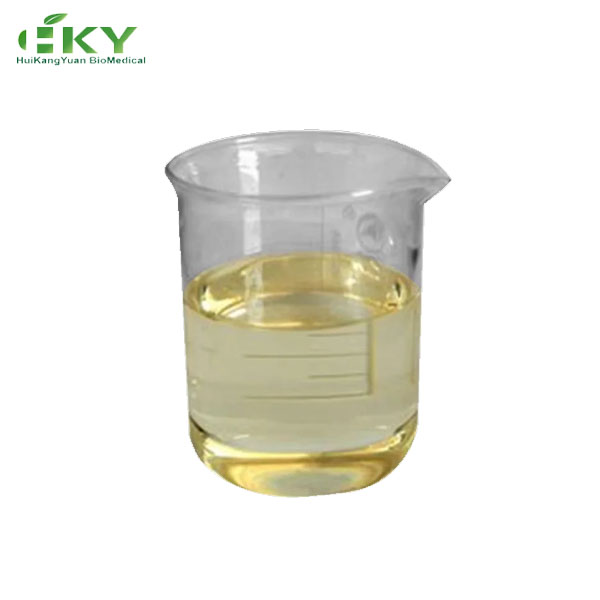
Appearance (25°C): Colorless to pale yellow clear liquid
Odor: Very mild characteristic odor
pH Value (1% aqueous solution): 4.5 - 6.0
HLB Value: ~15
Heavy Metals (as Pb): ≤10 ppm
Arsenic (As): ≤2 ppm
Minimum Order Quantity (MOQ): 1 kg (sample), 200 kg (1 drum), 20 MT (full container)
Storage Conditions: 15-35°C, protected from direct sunlight, sealed containers
Shelf Life: 24 months
Cocamidopropyl Betaine, CAPB, CAB, CAS 61789-40-0, betaine surfactant, amphoteric surfactant, shampoo raw material, body wash surfactant, SLES CAPB blend, mild surfactant, viscosity builder
Cocamidopropyl Betaine (CAPB / CAB)-CAS 61789-40-0
Cocamidopropyl Betaine (CAPB / CAB) is the world's most widely used amphoteric surfactant - the industry standard co-surfactant found in over 90% of all shampoos, body washes, and liquid soaps globally. Derived from renewable coconut fatty acids, it functions as the universal "bridge surfactant" that dramatically improves foam quality, viscosity building, and mildness in all cleansing formulations.
The classic 3:1 blend of SLES + CAPB is the most successful surfactant system in personal care history - used by every major brand and produced at millions of tons annually. CAPB's unique zwitterionic structure provides excellent compatibility with all surfactant classes, exceptional salt-thickening response, and synergistic irritation reduction when blended with anionic surfactants. It is the foundation of modern personal care cleansing technology.

Key Benefits
✅ World's #1 amphoteric surfactant - 90% of all shampoos contain CAPB
✅ Universal compatibility with ALL surfactant classes (anionic, cationic, nonionic, amphoteric)
✅ Industry standard 3:1 SLES + CAPB blend - most successful formula ever
✅ Exceptional salt-thickening response - builds viscosity efficiently
✅ Dramatically improves foam quality - richer, creamier, more stable
✅ Synergistically reduces irritation of anionic surfactants
✅ Excellent hard water tolerance - unaffected by water hardness
✅ Broad pH stability 3.0-10.0 - works in all formulations
✅ Outstanding conditioning and antistatic properties for hair
✅ 100% coconut-derived renewable raw material
✅ Readily biodegradable - >90% in 28 days
✅ Extremely cost-effective - best value performance surfactant
✅ Cold processable - no heating required
✅ Works in both clear and opaque formulations
Applications
Universal Personal Care (90% of all cleansing products):
• All Shampoos: 3-7% - standard co-surfactant in EVERY shampoo
• All Body Washes: 3-6% - universal shower gel base
• Facial Cleansers: 2-5% - mildness booster
• Hand Soaps: 3-8% - foam and viscosity builder
• Bubble Baths: 5-10% - rich long-lasting foam
• Baby Cleansers: 2-4% - irritation reduction
• Sulfate-Free Formulations: 3-8% - essential co-surfactant
Formulation Best Practices:
• ✅ INDUSTRY GOLD STANDARD: SLES 70% + CAPB 35% = 3:1 ratio
• ✅ VISCOSITY BUILDING: NaCl 1-3% = perfect thickening response
• ✅ MILD FORMULA: CAPB + Amino Acid surfactants = synergistic mildness
• ✅ FOAM BOOSTER: CAPB improves foam of ALL primary surfactants
• ✅ pH RANGE: Optimal 4.5-6.0, stable across full 3.0-10.0
• ❌ PREMIUM UPGRADE: Replace CAPB with CHSB (Hydroxysultaine) for better mildness
• �� FOUNDATION OF MODERN CLEANSING: Every major brand uses this system
Certificate Of Analysis (COA)
Test Item | Specification | Test Result | Test Method |
Product Identification | |||
Product Name | Cocamidopropyl Betaine 35% | CAPB Standard Grade | —— |
CAS Number | 61789-40-0 | 61789-40-0 | —— |
Raw Material Source | RSPO Certified Coconut Oil | Sustainable Palm | —— |
Physical Properties | |||
Appearance | Colorless to pale yellow clear liquid | Light yellow clear liquid | Visual |
Odor | Mild characteristic | Conforms | Olfactory |
Active Matter | 33.0 - 37.0% | 35.1% | Titration |
pH Value (1% Solution) | 4.5 - 6.0 | 5.2 | pH Meter |
Viscosity (25°C) | 1,000-5,000 mPa·s | 3,100 mPa·s | Brookfield |
Color (APHA) | ≤150 | 68 | Colorimeter |
Chemical Purity | |||
Sodium Chloride | ≤6.0% | 5.2% | Mohr Method |
Free Amine / Amidoamine | ≤0.5% | 0.28% | Titration |
Monochloroacetic Acid | ≤50 ppm | 12 ppm | HPLC |
Glycolic Acid | ≤0.5% | 0.18% | HPLC |
Moisture Content | Balance | 59.2% | Karl Fischer |
Safety & Impurities | |||
Heavy Metals (as Pb) | ≤10 ppm | <5 ppm | ICP-MS |
Arsenic (As) | ≤2 ppm | <0.5 ppm | ICP-MS |
Mercury (Hg) | ≤0.1 ppm | <0.05 ppm | ICP-MS |
Microbiological | |||
Total Aerobic Count | ≤100 CFU/g | <10 CFU/g | Plate Count |
Yeast & Mold | ≤10 CFU/g | <10 CFU/g | Plate Count |
E. coli, Salmonella | Negative | Negative | —— |
Final Conclusion | —— | PASSED - MEETS SPECIFICATION | —— |
Frequently Asked Questions (FAQ) & Document Request Frequently Asked Questions (FAQ) & Document Request
Q1: Why is CAPB in 90% of all shampoos and body washes?
A: CAPB is the PERFECT all-around co-surfactant - it solves 4 problems at once:
1. Foam: Makes foam richer, creamier, and more stable
2. Viscosity: Enables salt thickening - the cheapest and easiest thickening method
3. Mildness: Synergistically reduces irritation of anionic surfactants
4. Compatibility: Works with EVERYTHING - anionic, cationic, nonionic, amphoteric
No other surfactant does all 4 this well at this cost point. This is why it is the industry standard and will remain so for the foreseeable future.
Q2: What is the exact SLES:CAPB ratio and why does it work?
A: 3:1 is the scientifically proven industry sweet spot:
• 15% SLES 70% + 5% CAPB 35% = standard shampoo base
This ratio provides:
• Optimal foam volume and quality
• Perfect salt thickening curve
• Maximum mildness improvement
• Best cost-performance balance
Ratios from 2:1 to 4:1 all work, but 3:1 is the universal standard used by P&G, Unilever, L'Oreal, and every major brand.
Q3: Can CAPB be used in sulfate-free and natural formulations?
A: ABSOLUTELY - CAPB is essential in sulfate-free formulations:
• Sulfate-Free Base: 10% Sodium Cocoyl Glycinate + 5% CAPB
• APG Natural Base: 8% Lauryl Glucoside + 8% CAPB
CAPB provides the viscosity building and foam improvement that amino acid and APG surfactants lack. There is NO successful sulfate-free formulation on the market that does not contain CAPB or CHSB.
Contact Us
💌 Contact us today for technical data, formulation guidance, and competitive pricing! E-mail:
You Might Also Like
1.ur Products A full range of high-quality cosmetic raw materials, including plant extracts, natural active ingredients, skin care actives and formulation additives. Stable supply & strict quality control.