Ethylhexyl Methoxycinnamate, UVB Sunscreen-CAS 5466-77-3
Product Name: Ethylhexyl Methoxycinnamate
INCI Name: ETHYLHEXYL METHOXYCINNAMATE
Common Name:Octyl Methoxycinnamate, EHMC, 2-Ethylhexyl p-Methoxycinnamate
CAS Number: 5466-77-3
EINECS Number: 226-775-7
Molecular Formula: C₁₈H₂₆O₃
Molecular Weight: 290.40 g/mol
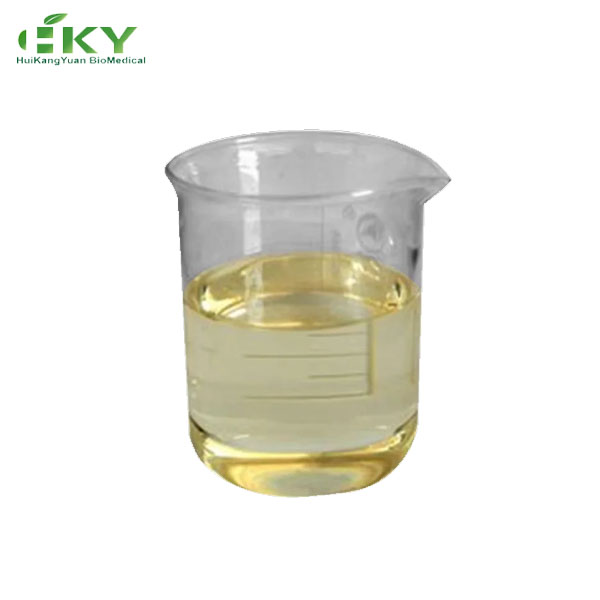
Appearance: Colorless to pale yellow transparent liquid
Odor: Slight characteristic odor or odorless
Product Purity: ≥98.0%
Density (25°C): 1.005–1.015 g/cm³
Refractive Index (20°C): 1.540–1.546
Packaging: 1kg sample bottle, 25kg plastic drum
Shelf Life: 24 months
Storage: Store in cool, dry, well-ventilated area, keep sealed, protect from light, heat and air
Ethylhexyl Methoxycinnamate, Octyl Methoxycinnamate, UVB sunscreen, chemical UV filter, cosmetic sunscreen ingredient, oil soluble sunscreen, SPF booster, sun care ingredient
Ethylhexyl Methoxycinnamate, UVB Sunscreen-CAS 5466-77-3
Ethylhexyl Methoxycinnamate, commonly known as Octinoxate or OMC, is the most widely used UVB sunscreen filter in the world with the INCI name ETHYLHEXYL METHOXYCINNAMATE and CAS number 5466-77-3. This colorless to pale yellow transparent liquid provides effective protection against UVB radiation (280–320 nm) with a maximum absorption peak at approximately 310 nm.
As a lipophilic chemical sunscreen, Octinoxate is highly valued for its excellent UVB absorption efficiency, cost-effectiveness, and elegant skin feel, making it a staple ingredient in sun care formulations worldwide. It is approved for use in cosmetics at concentrations up to 10% in China, the EU, Japan, and many other regions (7.5% in the US).
While Octinoxate has moderate photostability when used alone, its stability and broad-spectrum protection are significantly enhanced when formulated with other UV filters like Avobenzone, Octocrylene, or Zinc Oxide. It is one of the most cost-effective and versatile UVB filters available, used in everything from daily moisturizers with SPF to high-SPF sunscreens.

Key Benefits
• High UVB efficacy: Strong absorption in UVB range (280–320 nm)
• Excellent SPF boosting: Significantly increases SPF value at low concentrations
• Oil soluble: Easy to incorporate into oil-based and emulsion formulations
• Cost-effective: One of the most economical UV filters per unit SPF
• Globally approved: Meets China, EU, US, Japan regulatory standards
• Elegant skin feel: Non-greasy, lightweight, smooth texture
• Colorless and transparent: No white cast, suitable for all skin tones
• Synergistic with other filters: Works with UVA filters for broad spectrum
• Versatile applications: Suitable for all sun care and color cosmetic products
• Readily biodegradable: Environmentally friendly, breaks down easily
Applications
• Sunscreen lotions and creams: Recommended usage 2%–10%
• Sunscreen sprays and mists: Recommended usage 2%–8%
• Daily moisturizers with SPF: Recommended usage 1%–5%
• BB creams and CC creams: Recommended usage 2%–7%
• Foundations and liquid foundations: Recommended usage 1%–5%
• Pressed powders and loose powders: Recommended usage 1%–3%
• Lip balms and lipsticks with SPF: Recommended usage 1%–5%
• Hair care products with UV protection: Recommended usage 0.5%–3%
• Body lotions with sun protection: Recommended usage 2%–8%
• After-sun products with UV protection: Recommended usage 1%–3%
Certificate Of Analysis (COA)
Test Item | Standard Requirement | Test Result | Test Method |
Appearance | Colorless to pale yellow transparent liquid | Complies | Visual inspection |
Assay (GC/HPLC) | ≥98.0% | 99.2% | GC / HPLC |
Refractive Index (20°C) | 1.540–1.546 | 1.5432 | Refractometer |
Density (25°C) | 1.005–1.015 g/cm³ | 1.009 g/cm³ | Density meter |
Specific Absorbance (E1% 1cm, 310nm) | 620–680 | 652 | UV spectrophotometry |
Acid Value | ≤0.5 mgKOH/g | 0.12 mgKOH/g | Titration |
Saponification Value | 190–200 mgKOH/g | 195 mgKOH/g | Titration |
Color (APHA) | ≤50 | <20 | Colorimetry |
Moisture Content | ≤0.1% | 0.03% | Karl Fischer |
Heavy Metals (as Pb) | ≤10 ppm | <5 ppm | ICP-MS |
Arsenic (As) | ≤2 ppm | <0.5 ppm | ICP-MS |
Lead (Pb) | ≤5 ppm | <1 ppm | ICP-MS |
Cadmium (Cd) | ≤3 ppm | <0.5 ppm | ICP-MS |
Mercury (Hg) | ≤1 ppm | <0.1 ppm | ICP-MS |
Total Aerobic Count | ≤100 CFU/g | <10 CFU/g | GB 4789.2 |
Mold & Yeast | ≤10 CFU/g | <10 CFU/g | GB 4789.15 |
E. coli | Absent | Absent | GB 4789.3 |
Pseudomonas aeruginosa | Absent | Absent | GB 4789.4 |
Staphylococcus aureus | Absent | Absent | GB 4789.10 |
Conclusion | Complies with cosmetic grade specifications | ||
Frequently Asked Questions (FAQ)
Q1: Is Octinoxate photostable? Why is it often combined with other filters?
A: Octinoxate has moderate photostability when used alone. Under prolonged UV exposure, it can undergo photodegradation, which reduces its UVB protection efficacy over time. This is why it is almost always formulated with other UV filters and photostabilizers. Combining Octinoxate with UVA filters like Avobenzone provides complete broad-spectrum protection, while adding Octocrylene or other stabilizers significantly improves photostability. It also has a synergistic SPF-boosting effect when combined with other UVB filters, allowing formulators to achieve higher SPF values with lower total filter concentrations. The most common combinations are Octinoxate + Avobenzone + Octocrylene for broad-spectrum, photostable protection.
Q2: What is the difference between Octinoxate and other UVB filters like Homosalate or Octisalate?
A: Octinoxate (OMC) is the strongest UVB absorber among the common cinnamate and salicylate filters, with the highest specific absorbance at ~310 nm. It provides excellent SPF boosting at relatively low concentrations. Homosalate is a weaker UVB absorber but has better oil solubility and helps dissolve other filters, often used as a "solvent filter." Octisalate (Octyl Salicylate) is also a weaker UVB absorber but is very photostable and helps boost the efficacy of other filters. Octinoxate offers the best balance of UVB efficacy, cost, and cosmetic elegance, which is why it is the most widely used UVB filter globally. Formulators often combine multiple UVB filters for synergistic SPF boosting and better photostability.
Q3: What is the shelf life and are there any storage or stability concerns?
A: Shelf life is 24 months in original sealed, light-protected packaging. Store in a cool, dry, well-ventilated area away from direct sunlight, heat, and air exposure. Octinoxate is sensitive to light and heat, which can cause degradation and discoloration over time. It should be stored in amber or opaque containers under nitrogen blanketing for long-term storage. In formulations, its stability depends on the presence of other UV filters, photostabilizers, and formulation pH. It is generally stable across a pH range of 5–8. Important compatibility note: Octinoxate can degrade under UV light, so always include photostabilizers like Octocrylene for long-lasting protection. Always conduct accelerated stability testing, photostability testing, and SPF efficacy testing in your specific formulation to ensure shelf life performance and regulatory compliance.
Contact Us
💌 Contact us today for technical data, formulation guidance, and competitive pricing! E-mail:
You Might Also Like
1.ur Products A full range of high-quality cosmetic raw materials, including plant extracts, natural active ingredients, skin care actives and formulation additives. Stable supply & strict quality control.