Methylisothiazolinone, MIT, Cosmetic Preservative-CAS 2682-20-4
Product Name: Methylisothiazolinone
INCI Name: METHYLISOTHIAZOLINONE
CAS Number: 2682-20-4
EINECS Number: 220-239-6
Molecular Formula: C₄H₅NOS
Molecular Weight: 115.16 g/mol
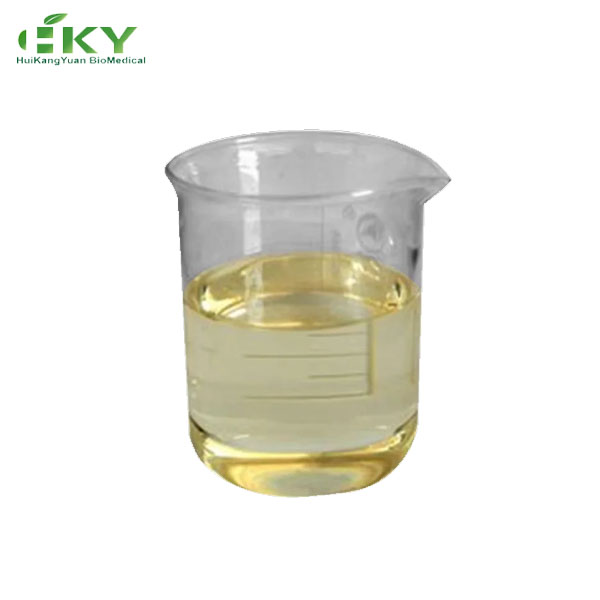
Appearance: Colorless to light yellow transparent liquid
Odor: Slight characteristic odor
Packaging: 1kg sample bottle, 25kg plastic drum
Shelf Life: 24 months
Storage: Store in cool, dry, well-ventilated area, keep sealed, protect from light and high temperature
Methylisothiazolinone, MIT, cosmetic preservative, broad spectrum preservative, isothiazolinone preservative, rinse-off preservative, antimicrobial agent, fast acting preservative, water soluble preservative, cosmetic ingredient
Methylisothiazolinone, MIT, Cosmetic Preservative-CAS 2682-20-4
Methylisothiazolinone, commonly known as MIT, is a powerful broad-spectrum isothiazolinone preservative widely used in rinse-off cosmetic products. With the INCI name METHYLISOTHIAZOLINONE and CAS number 2682-20-4, this fast-acting antimicrobial agent is highly effective against bacteria, yeast, and mold at very low concentrations, typically ranging from 15 to 100 ppm depending on regional regulations.
MIT works by disrupting microbial cell membranes and inhibiting essential enzyme systems, providing rapid and effective protection against a wide range of microorganisms. It is supplied as a dilute aqueous solution (typically 9.69% or 10% active) for easy handling and formulation.

Key Benefits
• Broad-spectrum antimicrobial: Effective against bacteria, yeast, and mold
• Fast-acting: Rapid kill rate against microorganisms
• High efficacy at low concentrations: Effective at ppm levels, cost-efficient
• Excellent water solubility: Easy to incorporate into aqueous formulations
• Wide pH stability: Effective across pH 2.0–9.0, suitable for most product types
• Thermally stable: Withstands typical cosmetic manufacturing temperatures
• Colorless and odorless: Does not affect product appearance or fragrance
• Compatible with most cosmetic ingredients: Good formulation flexibility
• Readily biodegradable: Environmentally friendly
• Globally approved for rinse-off products: Widely accepted in major markets
Applications
• Shampoos and hair cleansers: Recommended usage 0.001%–0.01% active, rinse-off category
• Body washes and shower gels: Recommended usage 0.001%–0.01% active, rinse-off category
• Facial cleansers and face washes: Recommended usage 0.001%–0.01% active, rinse-off category
• Hand soaps and liquid soaps: Recommended usage 0.001%–0.01% active, rinse-off category
• Hair conditioners (rinse-off): Recommended usage 0.001%–0.005% active
• Bubble baths and bath products: Recommended usage 0.001%–0.01% active
• Makeup removers (rinse-off): Recommended usage 0.001%–0.005% active
• Household cleaning products: Recommended usage 0.001%–0.02% active
• Industrial water treatment: Broad-spectrum biocide for industrial applications
• Wet wipes and disposable products (note: check regional regulations for leave-on contact)
Certificate Of Analysis (COA)
Test Item | Standard Requirement | Test Result | Test Method |
Appearance | Colorless to pale yellow transparent liquid | Complies | Visual inspection |
Active Content (MIT) | 9.0%–10.0% | 9.69% | HPLC |
pH Value | 2.0–6.0 | 3.8 | pH meter |
Density (20°C) | 1.01–1.03 g/cm³ | 1.02 g/cm³ | Density meter |
Color (APHA) | ≤100 | <50 | Colorimetry |
Water Content | 90.0%–91.0% | 90.31% | Karl Fischer |
Chloride Content | Complies | Complies | Titration |
Heavy Metals (as Pb) | ≤10 ppm | <5 ppm | ICP-MS |
Arsenic (As) | ≤2 ppm | <0.5 ppm | ICP-MS |
Lead (Pb) | ≤5 ppm | <1 ppm | ICP-MS |
Total Aerobic Count | ≤100 CFU/mL | <10 CFU/mL | GB 4789.2 |
Mold & Yeast | ≤10 CFU/mL | <10 CFU/mL | GB 4789.15 |
E. coli | Absent | Absent | GB 4789.3 |
Pseudomonas aeruginosa | Absent | Absent | GB 4789.4 |
Staphylococcus aureus | Absent | Absent | GB 4789.10 |
Conclusion | Complies with cosmetic grade specifications | ||
Frequently Asked Questions (FAQ)
Q1: What is the difference between MIT alone and Kathon/CMIT+MIT (3:1) mixture?
A: MIT (methylisothiazolinone) is a single isothiazolinone preservative. Kathon or "kason" is a 3:1 mixture of CMIT (methylchloroisothiazolinone) and MIT, which is more potent but also more sensitizing. The CMIT+MIT mixture is limited to 0.0015% (15 ppm total) and only allowed in rinse-off products in both China and EU. MIT alone has higher limits (100 ppm in China, 15 ppm in EU rinse-off). Both are isothiazolinone preservatives with similar mechanisms but different potency and regulatory status.
Q2: How do I use MIT in formulations? Are there any compatibility issues?
A: MIT is supplied as an aqueous solution (typically 9.69% or 10% active) and can be added directly to the water phase of formulations. It is stable across pH 2–9 and compatible with most cosmetic ingredients including surfactants, emulsifiers, and other preservatives. It is often combined with other preservatives like phenoxyethanol, ethylhexylglycerin, or parabens for broader spectrum protection and to reduce MIT concentration. Avoid combining with strong reducing agents or proteins that may react with the isothiazolinone structure. Always conduct compatibility and challenge testing.
Q3: What is the shelf life and are there any storage or stability concerns?
A: Shelf life is 24 months in original sealed packaging. Store in a cool, dry, well-ventilated area away from direct sunlight and high temperatures above 40°C. MIT is stable under normal storage conditions but may degrade at high temperatures or high pH over extended periods. It is compatible with most cosmetic ingredients but should be tested for compatibility with proteins and strong reducing agents. Always conduct stability and preservative efficacy challenge testing in your specific formulation to ensure shelf life performance.
Contact Us
💌 Contact us today for technical data, formulation guidance, and competitive pricing! E-mail:
You Might Also Like
1.ur Products A full range of high-quality cosmetic raw materials, including plant extracts, natural active ingredients, skin care actives and formulation additives. Stable supply & strict quality control.