Polyquaternium-39, PQ-39-CAS 25136-75-8
Product Name: Polyquaternium-39
INCI Name: POLYQUATERNIUM-39
CAS Number: 25136-75-8
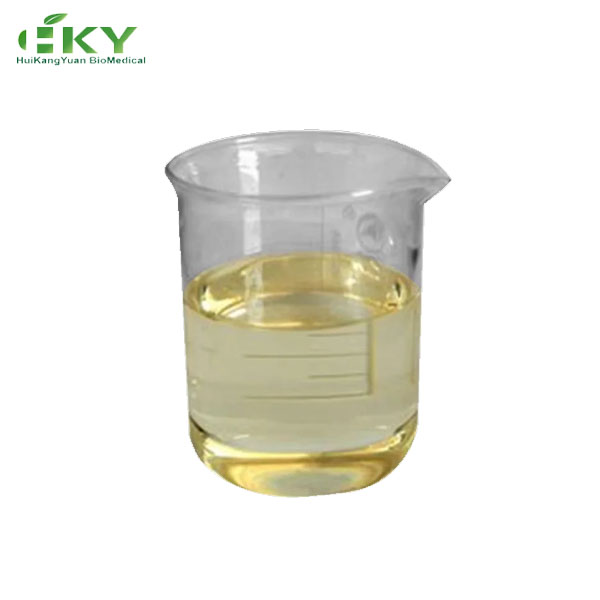
Appearance: Colorless to light yellow transparent viscous liquid
Odor: Slight characteristic odor or odorless
Packaging: 1kg sample bottle, 25kg plastic drum
Shelf Life: 24 months
Storage: Store in cool, dry, well-ventilated area, avoid freezing and direct sunlight
Polyquaternium-39, PQ-39, cationic polymer, hair conditioner, anti-static agent, film forming agent, hair care polymer, skin conditioning agent, detangling ingredient, thickening polymer
Polyquaternium-39, PQ-39-CAS 25136-75-8
Polyquaternium-39 is a versatile cationic terpolymer widely used in hair care and personal care products for its excellent conditioning, anti-static, and film-forming properties. Copolymerized from acrylic acid, acrylamide, and diallyldimethylammonium chloride (DADMAC), this high molecular weight polymer carries a positive charge that binds to negatively charged hair and skin proteins, creating a smooth, conditioning layer. Unlike some heavier cationic polymers that can cause buildup and weigh hair down, Polyquaternium-39 provides lightweight conditioning with low accumulation, leaving hair soft, manageable, and voluminous. Its unique structure also offers good thickening and film-forming capabilities, making it suitable for a wide range of formulations from shampoos and conditioners to styling products and skin care lotions. It is compatible with most surfactant systems and stable across a broad pH range, making it a reliable choice for formulators.

Key Benefits
• Excellent hair conditioning: Improves hair softness, smoothness, and manageability significantly
• Powerful anti-static: Reduces static electricity and flyaways, especially in dry conditions
• Low buildup/accumulation: Lightweight conditioning without weighing hair down or causing buildup
• Great detangling: Makes wet and dry hair easier to comb, reduces breakage from tangling
• Broad surfactant compatibility: Works with anionic, cationic, nonionic, and amphoteric surfactants
• Film forming ability: Creates flexible, moisturizing films on hair and skin
• Thickening effect: Improves formulation viscosity and product texture
• Wide pH stability: Stable across pH 3–10, suitable for various product types
• Ethanol compatible: Works in formulations with up to 40% alcohol content
• Mild and non-irritating: Suitable for all hair types including sensitive scalp and baby products
Applications
• Shampoos and hair cleansers: Recommended usage 0.5%–3%, anti-static and conditioning
• Hair conditioners and hair masks: Recommended usage 1%–5%, deep conditioning and detangling
• Hair styling products (gels, mousses, sprays): Recommended usage 1%–4%, film forming and hold
• Leave-in conditioners and detanglers: Recommended usage 0.5%–2%, lightweight conditioning
• Body washes and shower gels: Recommended usage 0.3%–2%, skin softening and moisturizing
• Hand soaps and liquid soaps: Recommended usage 0.3%–1.5%, skin conditioning after washing
• Shaving creams and shaving gels: Recommended usage 0.5%–2%, lubrication and skin protection
• Moisturizing lotions and creams: Recommended usage 0.2%–1.5%, skin feel improvement
• Baby care products (baby shampoo, baby wash): Recommended usage 0.3%–1.5%, ultra-mild conditioning
• Hair color and perm products: Recommended usage 0.5%–3%, reduce damage and improve combability
Certificate Of Analysis (COA)
Test Item | Standard Requirement | Test Result | Test Method |
Appearance | Colorless to light yellow transparent viscous liquid | Complies | Visual inspection |
Solid Content | 9.0%–11.0% | 10.2% | Gravimetric method |
pH Value (1% solution) | 5.0–7.5 | 6.2 | GB/T 6368 |
Viscosity (25°C) | 5,000–15,000 mPa·s | 9,500 mPa·s | Brookfield viscometer |
Residual Acrylamide | ≤500 ppm | <100 ppm | HPLC |
Residual DADMAC | ≤100 ppm | <50 ppm | HPLC |
Color (APHA) | ≤200 | <100 | GB/T 3143 |
Sodium Chloride | ≤2.0% | 1.2% | Mohr method |
Heavy Metals (as Pb) | ≤10 ppm | <5 ppm | ICP-MS |
Arsenic (As) | ≤2 ppm | <0.5 ppm | ICP-MS |
Lead (Pb) | ≤5 ppm | <1 ppm | ICP-MS |
Total Aerobic Count | ≤100 CFU/g | <10 CFU/g | GB 4789.2 |
Mold & Yeast | ≤10 CFU/g | <10 CFU/g | GB 4789.15 |
E. coli | Absent | Absent | GB 4789.3 |
Conclusion | Complies with cosmetic grade specifications | ||
Frequently Asked Questions (FAQ)
Q1: What is the difference between Polyquaternium-39 and Polyquaternium-7?
A: Both are cationic conditioning polymers, but PQ-39 is a terpolymer with acrylic acid, giving it better pH stability and broader compatibility. PQ-39 has higher molecular weight (~1.5M vs ~500k for PQ-7), providing better film-forming and thickening properties. PQ-7 is more commonly used and cost-effective, while PQ-39 offers superior conditioning with less buildup and better skin feel.
Q2: Can Polyquaternium-39 be used in shampoo formulations with anionic surfactants?
A: Yes, PQ-39 is fully compatible with anionic surfactants like SLES, SLS, and amino acid surfactants. Its unique terpolymer structure with both cationic and anionic groups allows it to work in mixed surfactant systems without precipitation. It is commonly used in 2-in-1 shampoos to provide conditioning benefits in cleansing formulations.
Q3: Does Polyquaternium-39 cause buildup on hair? Will it make hair greasy or heavy?
A: PQ-39 is known for its low buildup properties compared to heavier cationic polymers like Polyquaternium-10. Its molecular structure allows it to rinse off more easily while still providing conditioning benefits. At typical usage levels (0.5%–3%), it leaves hair soft and manageable without weighing it down or causing greasiness, even with regular use.
Q4: What is the recommended usage level and how should I add it in formulations?
A: Typical usage ranges from 0.2%–5% depending on product type. Add to the water phase during formulation, ideally at temperatures below 80°C. It can be added at any stage but works best when incorporated early for good dispersion. It is compatible with most cosmetic ingredients and stable across pH 3–10, making it easy to formulate with.
Q5: What compliance documents can you provide?
A: Batch COA, SDS/GHS safety data sheet, Certificate of Origin, China Cosmetic Ingredient Inventory confirmation, technical data sheet, heavy metal and microbiological test reports, residual acrylamide and residual monomer test reports, and MSDS. REACH and FDA documentation available upon request. Cosmetic grade meets all global cosmetic safety standards.
Q6: What is the shelf life and are there any special storage requirements?
A: Shelf life is 24 months in original sealed packaging. Store in a cool, dry, well-ventilated area away from direct sunlight. Avoid freezing, which can affect product viscosity and performance. Keep containers tightly sealed to prevent evaporation and contamination. No special handling required beyond standard chemical precautions.
Contact Us
💌 Contact us today for technical data, formulation guidance, and competitive pricing! E-mail:
You Might Also Like
1.ur Products A full range of high-quality cosmetic raw materials, including plant extracts, natural active ingredients, skin care actives and formulation additives. Stable supply & strict quality control.