Sodium Lauroyl Sarcosinate-Amino Acid Surfactant(CAS 137-16-6)
Product Name: Sodium Lauroyl Sarcosinate (Sarkosyl, N-Lauroyl Sarcosine Sodium)
INCI Name: SODIUM LAUROYL SARCOSINATE
CAS Number: 137-16-6
EINECS Number: 205-281-5
Molecular Formula: C₁₅H₂₈NNaO₃
Molecular Weight: ~293.38 g/mol
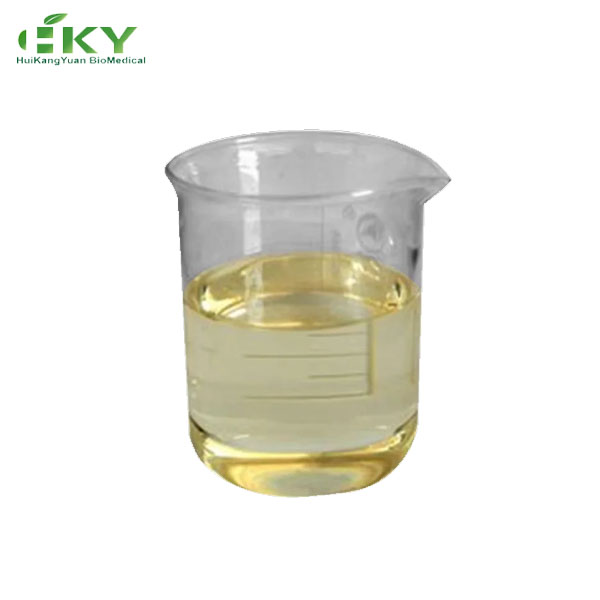
Appearance (Liquid): Colorless to light yellow transparent liquid, mild characteristic odor
Appearance (Powder): White to off-white powder
Shelf Life: 24 months under sealed cool, dry storage
Sodium Lauroyl Sarcosinate, amino acid surfactant, mild surfactant, sulfate-free surfactant, gentle cleanser, sensitive skin surfactant, natural biodegradable surfactant, facial cleanser ingredient, baby care surfactant
Sodium Lauroyl Sarcosinate-Amino Acid Surfactant(CAS 137-16-6)
Sodium Lauroyl Sarcosinate, also known as Sarkosyl or N-Lauroyl Sarcosine Sodium, is a premium mild amino acid-based anionic surfactant widely valued in the personal care industry for its exceptional gentleness, luxurious foam, and skin-friendly properties. Derived from natural lauric acid and sarcosine (a natural amino acid) through a green acylation process, Sodium Lauroyl Sarcosinate represents one of the most elegant and high-performance mild surfactants available for modern cosmetic formulations.
What sets Sodium Lauroyl Sarcosinate apart is its unique molecular structure featuring a methyl group on the nitrogen atom, which gives it distinctive properties: extremely low irritation potential, excellent foam stability, and remarkable skin compatibility. It produces rich, creamy, long-lasting foam that feels luxurious on the skin, while providing effective yet gentle cleansing that doesn't strip the skin's natural protective barrier. Unlike harsher surfactants like SLS, Sodium Lauroyl Sarcosinate leaves the skin feeling soft, smooth, and comfortable after washing, without the tightness or dryness commonly associated with stronger cleansers.
Sodium Lauroyl Sarcosinate is highly versatile and compatible with a wide range of other surfactants, including anionic, nonionic, amphoteric, and even cationic surfactants — a rare property among anionic surfactants. It also performs well in hard water and has good resistance to hydrolysis across a broad pH range. With its proven mildness, excellent sensory properties, and natural amino acid origin, Sodium Lauroyl Sarcosinate is the surfactant of choice for premium, sulfate-free, sensitive-skin, and baby care formulations that demand both performance and gentleness.

Key Benefits
• Exceptionally mild, extremely low skin and eye irritation, ideal for sensitive skin
• Natural amino acid origin, readily biodegradable, eco-friendly and sustainable
• Rich creamy foam, luxurious sensory experience, fine and dense foam texture
• Excellent foam stability, long-lasting foam that doesn't break down easily
• Effective yet gentle cleansing, removes dirt and oil without disrupting skin barrier
• Skin and hair conditioning benefits, leaves skin soft and hair smooth & shiny
• Good hard water resistance, consistent performance regardless of water quality
• Broad formulation compatibility, works with anionic, nonionic, amphoteric and even cationic surfactants
• Low sodium chloride content, excellent formulation compatibility, no salt-out issues
• Antibacterial properties, inhibits growth of certain bacteria
Applications
• Premium amino acid facial cleansers & cleansing creams: Recommended dosage 5%–20%
• Body washes & shower gels: Recommended dosage 3%–15%
• Shampoos & hair cleansers: Recommended dosage 2%–10%
• Baby care products (baby wash, baby shampoo): Recommended dosage 2%–8%
• Sensitive skin cleansers & soothing cleansers: Recommended dosage 3%–12%
• Modified soap-based cleansing creams: Recommended dosage 5%–15%
• Makeup removers (cleansing milk, micellar water): Recommended dosage 2%–10%
• Shaving creams & shaving foams: Recommended dosage 3%–10%
• Hand washes & foam hand washes: Recommended dosage 2%–8%
• Pet care products (pet shampoos): Recommended dosage 2%–8%
Certificate Of Analysis (COA)
Test Item | Standard Requirement | Test Result | Test Method |
Appearance | Colorless to light yellow transparent liquid | Complied | Visual Inspection |
Active Matter Content | 29.0–31.0% | 30.2% | Two-phase Titration |
pH Value (10% Solution) | 7.5–8.5 | 8.0 | pH Meter |
Sodium Chloride | ≤0.2% | 0.12% | Potentiometric Titration |
Sodium Laurate | ≤1.5% | 0.8% | HPLC |
Color (APHA) | ≤30 | <20 | Colorimetry |
Solids Content | 28.0–32.0% | 30.5% | Gravimetric Method |
Viscosity | ≤50 mPa·s | 25 mPa·s | Rotational Viscometer |
Heavy Metal (as Pb) | ≤10 ppm | <2 ppm | ICP-MS |
Arsenic (As) | ≤2 ppm | <0.5 ppm | ICP-MS |
Lead (Pb) | ≤5 ppm | <1 ppm | ICP-MS |
Total Aerobic Bacteria | ≤1000 CFU/g | <10 CFU/g | Plate Count Method |
Mold & Yeast | ≤100 CFU/g | <10 CFU/g | Plate Count Method |
Escherichia Coli | Negative | Not Detected | National Standard Test |
Conclusion | Meet global cosmetic grade Sodium Lauroyl Sarcosinate standard | Qualified | / |
Frequently Asked Questions (FAQ) & Document Request Frequently Asked Questions (FAQ) & Document Request
Q1: How should Sodium Lauroyl Sarcosinate be added in formulation? Are there any special considerations?
A: Sodium Lauroyl Sarcosinate is relatively easy to formulate with, but there are some important tips for best results. Key formulation considerations: 1) Dissolution — liquid SLSar mixes easily and can be added directly to the water phase with gentle stirring; powder SLSar should be added slowly to warm water (40-60°C) with good agitation to avoid clumping; 2) pH considerations — SLSar is stable across a broad pH range (approximately pH 4-10), which is one of its advantages; it performs well at slightly acidic, neutral, and slightly alkaline pH; this makes it very versatile for different product types; 3) Foam boosting — while SLSar has good foam on its own, foam volume can be further enhanced by combining with cocamidopropyl betaine (CAPB) or other amphoteric surfactants, which also improves mildness; 4) Thickening — SLSar is not as easy to thicken with salt as SLS is; you may need to use other thickeners like NaCl in combination with other surfactants, or use polymeric thickeners like Carbomer, Xanthan Gum, or Hydroxyethyl Cellulose; the low salt content of high-quality SLSar actually helps with formulation stability; 5) Compatibility — SLSar has excellent compatibility with most anionic, nonionic, and amphoteric surfactants; unusually for an anionic surfactant, it also has good compatibility with many cationic surfactants and cationic polymers (like Polyquaternium-10, Polyquaternium-7), which makes it ideal for conditioning shampoos and 2-in-1 products; 6) Typical usage levels vary by product: facial cleansers 5-20%, body washes 3-15%, shampoos 2-10%, baby products 2-8%, and sensitive skin products 3-12%; 7) Storage — liquid SLSar should be stored in sealed containers at room temperature; it may become cloudy or thicken at low temperatures, but this is reversible with gentle warming and doesn't affect quality. Always ensure good ventilation when handling powder SLSar to avoid inhalation of dust.
Q2: How is the foam quality of Sodium Lauroyl Sarcosinate compared to SLS? Is the foam good enough?
A: Sodium Lauroyl Sarcosinate has excellent foam quality, though it's different from SLS foam — it's not about raw volume but about foam quality and stability. Let's compare: 1) Foam volume — SLS produces more initial foam volume and faster foaming; SLSar produces slightly less total foam volume but still provides abundant, satisfying foam; 2) Foam texture — SLS foam can be somewhat coarse and airy, while SLSar foam is finer, denser, creamier, and more luxurious feeling on the skin; many people describe it as "silky" or "velvety"; 3) Foam stability — this is where SLSar really shines; SLSar foam is much more stable and longer-lasting than SLS foam; it doesn't break down quickly and maintains its texture throughout the washing experience; 4) Foam feel — SLS foam can feel harsh or stripping, while SLSar foam feels gentle and conditioning; it glides smoothly over the skin and doesn't cause that "squeaky clean" feeling that can be associated with over-cleansing; 5) Hard water performance — SLSar maintains good foaming even in hard water, while SLS foam can be negatively affected by hard water minerals; 6) Creamy lather — SLSar produces a more "creamy" or "lotion-like" lather that many consumers associate with premium, high-end products. In summary: if you're looking for maximum foam volume and fast foaming at the lowest cost, SLS is hard to beat. But if you want premium foam quality — finer, creamier, more stable, and more luxurious — SLSar is actually superior. This is why SLSar is so popular in high-end, premium personal care products where the sensory experience matters. And if you want both volume AND quality, you can always blend SLSar with other surfactants like CAPB or SLG to get the best of both worlds.
Contact Us
💌 Contact us today for technical data, formulation guidance, and competitive pricing! E-mail:
You Might Also Like
1.ur Products A full range of high-quality cosmetic raw materials, including plant extracts, natural active ingredients, skin care actives and formulation additives. Stable supply & strict quality control.