Sodium Lauryl Sulfate-SLS(CAS 151-21-3)
Product Name: Sodium Lauryl Sulfate (SLS, SDS, K12)
INCI Name: SODIUM LAURYL SULFATE
Common Name: Sodium Dodecyl Sulfate, Lauryl Sulfate Sodium Salt, Sodium Laurilsulfate, Dodecyl Sulfate Sodium Salt
CAS Number: 151-21-3
EINECS Number: 205-788-1
Molecular Formula: C₁₂H₂₅NaO₄S / CH₃(CH₂)₁₁OSO₃Na
Molecular Weight: ~288.38 g/mol
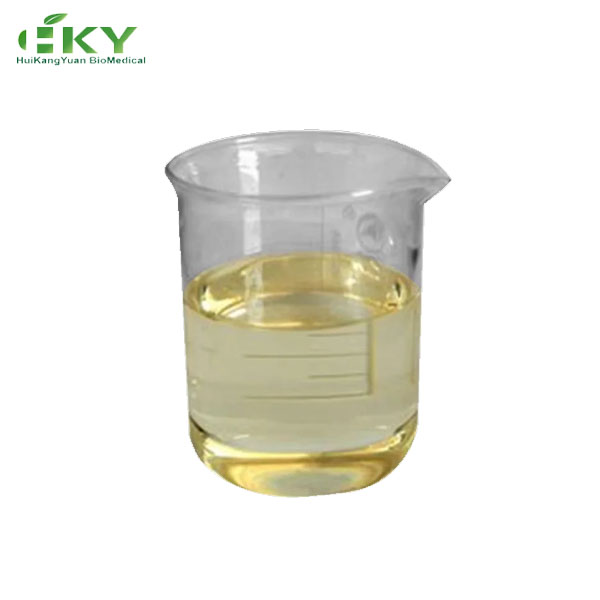
Appearance: White to light yellow powder or needle-shaped crystals, characteristic mild odor
Shelf Life: 24 months under sealed cool, dry storage
Sodium Lauryl Sulfate, SLS, SDS, K12, Sodium Dodecyl Sulfate, anionic surfactant, foaming agent, cleansing agent, toothpaste ingredient, shampoo surfactant
Sodium Lauryl Sulfate-SLS(CAS 151-21-3)
Sodium Lauryl Sulfate (SLS), also known as Sodium Dodecyl Sulfate (SDS) or K12, is one of the most widely used anionic surfactants in the personal care and household cleaning industries. Produced from natural coconut or palm kernel oil-derived lauryl alcohol through sulfation and neutralization, SLS is valued for its excellent cleansing power, abundant foaming properties, and exceptional cost-effectiveness. As a highly effective anionic surfactant, SLS works by reducing surface tension, allowing water to mix with oil and dirt so they can be rinsed away. It produces rich, stable foam quickly and provides strong degreasing and cleansing performance, making it a staple ingredient in shampoos, body washes, toothpastes, and various cleaning products. SLS is highly versatile and compatible with a wide range of other surfactants, builders, and cosmetic ingredients. It remains stable across a broad pH range and performs well even in hard water conditions. While SLS is known to be a stronger surfactant that can cause dryness or irritation with prolonged or frequent use on sensitive skin, it is considered safe for its intended uses at appropriate concentrations, and is one of the most thoroughly studied and tested surfactants available. With its proven performance, mature supply chain, and excellent value, Sodium Lauryl Sulfate continues to be the workhorse surfactant of choice for countless personal care, household, and industrial applications worldwide.

Key Benefits
• Powerful cleansing performance, highly effective at removing oil, grease and dirt
• Excellent foaming properties, rich stable foam, fast foam generation
• Exceptional cost-effectiveness, low cost per use, great value
• Excellent stability, stable in acid, alkali and hard water conditions
• Broad formulation compatibility, works with most surfactants and ingredients
• Good emulsifying properties, suitable for creams, lotions and emulsions
• Multiple product forms available: powder, needle, liquid, paste for different needs
• Mature and stable supply chain, abundant availability, reliable sourcing
• Some antimicrobial and antibacterial properties
• Good viscosity building effect, easy to build product viscosity with salt
Applications
• Toothpastes & tooth powders: Recommended dosage 0.5%–2.5% (as foaming agent)
• Shampoos & hair cleansers: Recommended dosage 5%–20%
• Body washes & shower gels: Recommended dosage 5%–15%
• Facial cleansers & cleansing creams: Recommended dosage 3%–15%
• Hand soaps & foam hand washes: Recommended dosage 3%–12%
• Soaps, bar soaps & laundry soaps: Recommended dosage 2%–10%
• Household detergents & dishwashing liquids: Recommended dosage 5%–25%
• Industrial cleaners & metal degreasers: Recommended dosage 2%–15%
• Emulsifier for creams & lotions: Recommended dosage 0.5%–5%
• Textile auxiliaries & dyeing auxiliaries: Recommended dosage 1%–8%
Certificate Of Analysis (COA)
Test Item | Standard Requirement | Test Result | Test Method |
Appearance | White to light yellow powder/needles | Complied | Visual Inspection |
Active Matter Content | ≥95.0% | 96.5% | Two-phase Titration |
pH Value (1% Solution) | 7.5–10.5 | 9.2 | pH Meter |
Petroleum Ether Solubles (Unsulfated) | ≤2.0% | 1.2% | Extraction Method |
Sodium Sulfate | ≤3.0% | 1.8% | Gravimetric Method |
Moisture Content | ≤3.0% | 1.5% | Gravimetric Method |
Free Alkali (as NaOH) | ≤0.5% | 0.2% | Acid-base Titration |
Color (APHA) | ≤50 | <30 | Colorimetry |
Heavy Metal (as Pb) | ≤10 ppm | <2 ppm | ICP-MS |
Arsenic (As) | ≤2 ppm | <0.5 ppm | ICP-MS |
Lead (Pb) | ≤5 ppm | <1 ppm | ICP-MS |
Total Aerobic Bacteria | ≤1000 CFU/g | <10 CFU/g | Plate Count Method |
Mold & Yeast | ≤100 CFU/g | <10 CFU/g | Plate Count Method |
Escherichia Coli | Negative | Not Detected | National Standard Test |
Conclusion | Meet global cosmetic grade Sodium Lauryl Sulfate standard | Qualified | / |
Frequently Asked Questions (FAQ) & Document Request Frequently Asked Questions (FAQ) & Document Request
Q1: What is the difference between SLS and SLES? Which one is better?
A: SLS (Sodium Lauryl Sulfate) and SLES (Sodium Laureth Sulfate) are both anionic surfactants widely used in personal care, but they have important differences in structure, mildness, and performance. Key differences: 1) Chemical structure — SLS is a simple sulfate ester of lauryl alcohol, while SLES is ethoxylated lauryl alcohol sulfate, meaning it has ethylene oxide (EO) groups added to the molecule; 2) Mildness — SLES is significantly milder than SLS because the ethoxylation process reduces skin and eye irritation potential; SLS is a stronger surfactant and can be more drying and irritating, especially with frequent use; 3) Foam quality — SLS produces faster, richer, and denser foam, while SLES produces slightly less foam but with better foam stability and a creamier feel; 4) Cleansing power — SLS has stronger degreasing and cleansing power, while SLES is slightly gentler in cleansing; 5) Thickening — SLS is easier to thicken with salt (sodium chloride), while SLES may require more salt or different thickeners; 6) Safety concerns — SLES may contain trace amounts of 1,4-dioxane as a byproduct of ethoxylation, which is a potential carcinogen and requires purification; SLS does not have this concern. In summary: choose SLS when you want maximum foaming, strong cleansing, lower cost, and no dioxane concerns (e.g., toothpastes, heavy-duty cleansers); choose SLES when you want better mildness, lower irritation, and a more premium feel (e.g., shampoos, body washes for daily use). Many formulators actually blend both to balance cost, foam, and mildness.
Q2: Is SLS really carcinogenic? Is it safe to use?
A: No, SLS is not carcinogenic. This is a common misconception and internet myth that has been thoroughly debunked by scientific research and regulatory agencies worldwide. SLS is one of the most extensively studied and tested surfactants in personal care. Major regulatory bodies including the US FDA, the EU Cosmetics Regulation, and China's National Medical Products Administration all consider SLS safe for use in cosmetics and personal care products at appropriate concentrations. The Cosmetic Ingredient Review (CIR) Expert Panel has repeatedly reviewed the safety of SLS and concluded that it is safe as used in rinse-off products, and safe in leave-on products at concentrations up to 1% (though it's rarely used in leave-on products due to its cleansing nature). The confusion may come from: 1) SLS being used in laboratory studies as a positive control for skin irritation — this is because it reliably causes irritation at high concentrations, not because it's dangerous; 2) Confusion with SLES and 1,4-dioxane — the dioxane concern applies to ethoxylated surfactants like SLES, not to SLS itself; 3) Misinterpretation of studies that used very high concentrations not relevant to real-world product use. In actual consumer products, SLS is used at concentrations that are well-tested and considered safe. Of course, as with any surfactant, some people with very sensitive skin may experience dryness or irritation, which is why many milder alternatives exist. But there is no credible scientific evidence that SLS causes cancer or is otherwise unsafe when used as intended in personal care products.
Q3: Does SLS cause hair loss? Is it safe to use in shampoo?
A: No, there is no credible scientific evidence that SLS causes hair loss or hair thinning. This is another common internet myth that has been circulating for years. Let's look at the facts: 1) SLS has been used in shampoos for decades by billions of people worldwide — if it caused hair loss, this would be a well-documented and widely recognized problem, which it is not; 2) Hair loss has many causes including genetics, hormones, stress, nutrition, medications, and scalp conditions — attributing it to a single shampoo ingredient is oversimplified; 3) SLS is a rinse-off ingredient — it stays on the scalp for only 1-2 minutes before being thoroughly rinsed away, so there is minimal opportunity for it to penetrate or affect hair follicles; 4) While SLS can be drying to the hair and scalp with frequent use (especially for people with dry or damaged hair), dryness is not the same as hair loss; dry hair may break more easily, but this is breakage, not actual hair loss from the follicle; 5) People with sensitive scalps may experience irritation or itching from SLS-based shampoos, and excessive scratching could potentially contribute to some hair shedding, but this is an indirect effect and not a direct cause of hair loss. If you have concerns about hair loss, it's best to consult a dermatologist to identify the actual cause rather than blaming shampoo ingredients. For people with dry or sensitive scalps, switching to milder surfactants (like amino acid surfactants, SLES, or amphoteric surfactants) can improve comfort and reduce dryness, but it won't stop genetic or hormonal hair loss.
Q4: What is the difference between powder, needle, and liquid forms of SLS? How do I choose?
A: SLS is available in several physical forms, each with its own advantages and best uses. The choice depends on your product type, manufacturing process, and formulation goals. Powder form advantages: 1) Highest active content (typically 92-95%), so you use less and save on shipping; 2) Good for products where you want high active loading; 3) Long shelf life and good stability in dry form. Powder form disadvantages: 1) Can be dusty during handling, which may require dust collection equipment; 2) Dissolves more slowly and may require more mixing time; 3) May cake or clump if not stored properly. Needle form advantages: 1) High active content (90-95%), similar to powder; 2) Less dusty than powder, easier and cleaner to handle; 3) Dissolves somewhat faster than fine powder; 4) Preferred for toothpaste manufacturing because it's easier to handle and less dusty. Needle form disadvantages: 1) May be slightly more expensive than powder; 2) Still requires proper dissolution. Liquid/Paste form advantages: 1) Easy to handle and pump, no dust issues; 2) Dissolves instantly, no mixing time required; 3) Good for liquid products like shampoos, body washes, and liquid soaps. Liquid/Paste form disadvantages: 1) Lower active content (typically 28-35%), so more product needed and higher shipping/storage costs; 2) May contain preservatives; 3) Less suitable for high-solid or solid formulations. For most personal care applications, the choice often comes down to manufacturing convenience and dust handling concerns. Needle form is often preferred for toothpastes and high-end products, while liquid form is popular for large-scale liquid product manufacturing.
Q5: How should SLS be added in formulation? Are there any special considerations?
A: SLS is relatively easy to formulate with, but there are some important considerations for best results. Key formulation tips: 1) Dissolution — powder or needle SLS should be added to the water phase with stirring; it dissolves readily in warm water (40-60°C), but can also dissolve at room temperature with sufficient mixing; add slowly to avoid clumping; 2) pH considerations — SLS solutions are typically alkaline (pH 7.5-10.5), which is fine for most cleansing products but may need adjustment if you're formulating for sensitive skin or specific pH requirements; citric acid can be used to lower pH if needed; 3) Thickening — SLS is easy to thicken with salt (sodium chloride); this is one of its advantages and why it's so popular — you can easily adjust viscosity by adding small amounts of salt; typical salt addition is 0.5-3% depending on desired viscosity; 4) Foam boosting — while SLS has excellent foam on its own, foam can be further enhanced by combining with cocamidopropyl betaine or other amphoteric surfactants, which also improves mildness; 5) Compatibility — SLS is compatible with most anionic, nonionic, and amphoteric surfactants; it is generally not compatible with cationic surfactants or cationic polymers (they may form insoluble complexes); 6) Irritation mitigation — if you want to reduce the potential irritation of SLS formulations, consider: reducing SLS concentration, blending with milder surfactants (like CAPB, SLES, or amino acid surfactants), adding conditioning agents or emollients, or adjusting pH closer to neutral; 7) Typical usage levels vary by product: toothpaste 0.5-2.5%, shampoos 5-20%, body washes 5-15%, facial cleansers 3-15%, and industrial cleaners 2-25%. Always ensure good ventilation when handling powder or needle SLS to avoid inhalation of dust.
Contact Us
💌 Contact us today for technical data, formulation guidance, and competitive pricing! E-mail:
You Might Also Like
1.ur Products A full range of high-quality cosmetic raw materials, including plant extracts, natural active ingredients, skin care actives and formulation additives. Stable supply & strict quality control.