Retinol Vitamin A
Product Name: Retinol (all-trans-Vitamin A Alcohol)
INCI Name: Retinol
CAS Number: 68-26-8
EINECS Number: 200-683-7
Molecular Formula: C₂₀H₃₀O
Molecular Weight: 286.45 g/mol
Assay (HPLC): ≥98.0%
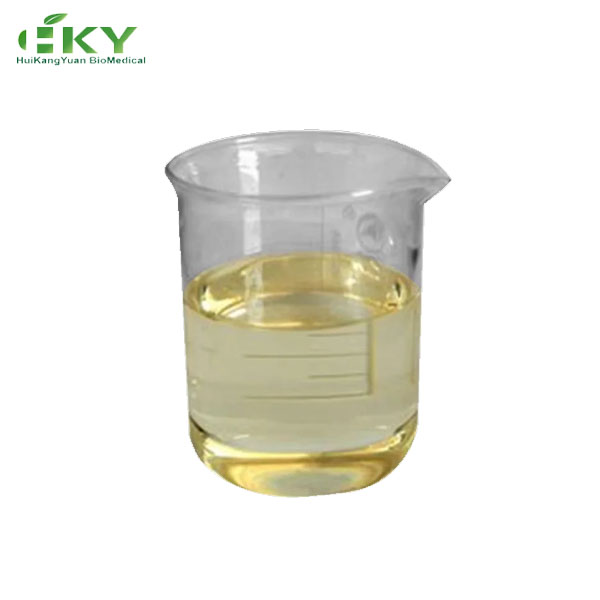
Appearance: Light yellow to yellow crystalline powder
Odor: Mild characteristic odor
Melting Point: 62 - 64°C
Boiling Point: 120-125°C (decomposes)
Specific Optical Rotation: +50° to +60°
UV Absorption Max: 325 nm
Log P (Lipophilicity): 5.68
Solubility: Insoluble in water; soluble in oils, ethanol, methanol, chloroform, ether, fats
Acid Value: ≤2.0 mg KOH/g
Peroxide Value: ≤5.0 meq/kg
Heavy Metals: ≤10 ppm
Minimum Order Quantity (MOQ): 100 g (Sample), 1 kg (Bulk)
Optimal Formulation pH: 5.5 - 6.5
Primary Applications: Anti-aging serums, night creams, acne treatments, cell renewal, brightening
Shelf Life: 24 months under proper storage (-18°C frozen, protected from light/oxygen)
Retinol, Vitamin A, CAS 68-26-8, all-trans-Retinol, retinoid, anti-aging serum, collagen booster, cell turnover, wrinkle reduction, acne treatment, skin brightening
Retinol Vitamin A(CAS 68-26-8)
Retinol, the pure alcohol form of Vitamin A, is universally recognized as the gold standard non-prescription anti-aging ingredient in dermatology. As the direct precursor to retinoic acid (the biologically active form), it penetrates deep into the epidermis and dermis, binding to nuclear retinoic acid receptors to regulate gene expression for skin renewal.
Unlike prescription tretinoin (retinoic acid), Retinol provides gradual, well-tolerated efficacy through enzymatic conversion in skin. It accelerates epidermal cell turnover, stimulates Type I and III collagen synthesis in the dermis, normalizes keratinization, and regulates sebum production - addressing wrinkles, texture, pigmentation, and acne simultaneously.

Key Benefits
✅ Accelerates epidermal cell turnover - smoother, brighter skin
✅ Stimulates Type I & III collagen synthesis - firms, reduces fine lines
✅ Normalizes keratinization - unclogs pores, improves texture
✅ Regulates sebum production - anti-acne, reduces oiliness
✅ Inhibits tyrosinase - reduces hyperpigmentation and dark spots
✅ Improves epidermal barrier function - stronger, healthier skin
✅ Dermal remodeling - reverses photodamage
✅ Non-prescription retinoid - dermatologist recommended
✅ Works at very low concentrations (0.03% effective)
✅ Multi-correctional - addresses aging, acne, pigmentation
Applications
Anti-Aging Skincare (Primary):
• Night serums and creams: 0.1-0.3% - anti-wrinkle, collagen boost
• Eye creams: 0.03-0.1% - fine lines, crow's feet
• Day creams (stabilized): 0.03-0.1% - with SPF mandatory
Acne & Problem Skin:
• Acne treatments: 0.1-0.3% - unclog pores, regulate sebum
• Pore minimizing products: 0.05-0.2%
• Post-acne hyperpigmentation: 0.1-0.2%
Brightening & Texture:
• Dark spot correctors: 0.1-0.3%
• Skin texture refiners: 0.05-0.2%
• Photodamage repair: 0.2-0.3%
Certificate Of Analysis (COA)
Test Item | Specification | Result |
Product Information | ||
Product Name | all-trans-Retinol (Vitamin A) | Retinol USP Grade |
CAS Number | 68-26-8 | 68-26-8 |
Grade | 98% Pure Cosmetic Grade | 98% Pure Grade |
Packaging | Amber bottle, nitrogen flushed | Nitrogen flushed |
Physical & Chemical | ||
Appearance | Light yellow crystalline powder | Light yellow crystals |
Odor | Mild characteristic | Conforms |
Assay (HPLC) | ≥98.0% | 98.7% |
Melting Point | 62-64°C | 63°C |
Specific Optical Rotation | +50° to +60° | +55.2° |
UV Absorbance (325nm) | 1450-1550 E1% | 1510 E1% |
Acid Value | ≤2.0 mg KOH/g | 0.8 mg KOH/g |
Peroxide Value | ≤5.0 meq/kg | 1.2 meq/kg |
Loss on Drying | ≤0.5% | 0.15% |
Purity & Safety | ||
Heavy Metals (as Pb) | ≤10 ppm | <5 ppm |
Arsenic (As) | ≤2 ppm | <0.5 ppm |
Mercury (Hg) | ≤0.1 ppm | <0.05 ppm |
Microbiological | ||
Total Aerobic Count | ≤100 CFU/g | <10 CFU/g |
Yeast & Mold | ≤10 CFU/g | <10 CFU/g |
E. coli, Salmonella | Negative | Negative |
Conclusion | —— | PASSED |
Frequently Asked Questions (FAQ) & Document Request Frequently Asked Questions (FAQ) & Document Request
Q1: How do I properly stabilize Retinol in formulations?
A: Retinol is EXTREMELY unstable - follow these rules strictly:
1. Always add LAST, at <40°C to oil phase only
2. Stabilizer package: 0.1% BHT + 0.5% Vitamin E + 0.05% EDTA
3. Package: Opaque amber glass, airless pump system, nitrogen flush headspace
4. pH control: 5.5-6.5, NEVER below pH 5.0 (acid degradation)
5. AVOID: Direct mixing with Vitamin C, metal ions, UV light, air
Properly stabilized retinol retains >90% activity for 18 months.
Q2: What is the minimum effective concentration?
A: Clinical studies show dose-response:
• 0.03%: Minimum effective - measurable cell turnover
• 0.1%: Standard anti-aging - significant collagen boost
• 0.3%: Maximum effective - saturation point, EU limit
• >0.3%: No additional benefit, ONLY increased irritation
0.1% is the sweet spot for most formulations - excellent efficacy with good tolerability.
Q3: Can Retinol be combined with other active ingredients?
A: Synergistic combinations and incompatibilities:
• ✅ + Niacinamide: Excellent synergy, reduces irritation, barrier support
• ✅ + Peptides: Enhanced collagen synthesis
• ✅ + Hyaluronic Acid: Hydration, irritation reduction
• ✅ + Ceramides: Barrier repair, better tolerance
• ❌ + Vitamin C (L-Ascorbic Acid): pH incompatibility, mutual degradation
• ❌ + AHAs/BHAs: Increased irritation risk (can be used separately in routine)
Niacinamide + Retinol is the most proven and effective combination.
Q4: What are proper storage and handling conditions?
A: Retinol requires CRYO STORAGE:
• Raw material storage: -18°C (0°F) freezer, amber container, sealed, nitrogen flushed
• Room temperature stability: Only 3-6 months MAX
• Light exposure: 50% degradation in 24 hours of direct sunlight
• Oxygen exposure: 30% degradation in 1 month
• Shipping: Dry ice / cold chain mandatory
Always order in small quantities and use immediately upon opening.
Contact Us
💌 Contact us today for technical data, formulation guidance, and competitive pricing! E-mail:
You Might Also Like
1.ur Products A full range of high-quality cosmetic raw materials, including plant extracts, natural active ingredients, skin care actives and formulation additives. Stable supply & strict quality control.