Octahydroxamic Acid Preservative
Product Name: Caprylhydroxamic Acid (Octanohydroxamic Acid)
Chemical Name: N-Hydroxyoctanamide, Octanohydroxamic Acid
INCI Name: Caprylhydroxamic Acid
CAS Number: 7377-03-9
EINECS Number: 230-937-4
Purity: ≥99.0% (Cosmetic Grade)
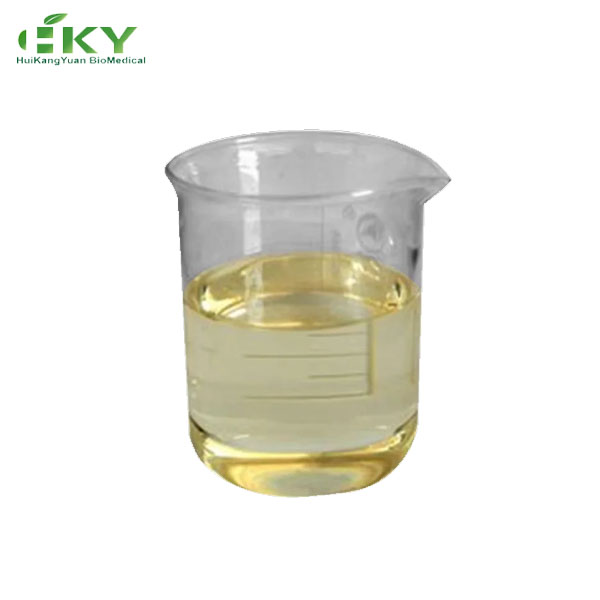
Appearance: White to pale yellow crystalline powder
Molecular Formula: C₈H₁₇NO₂
Molecular Weight: 159.23 g/mol
Caprylhydroxamic Acid, Octanohydroxamic Acid, CHA, CAS 7377-03-9
Octahydroxamic Acid Preservative(CAS 7377-03-9)
Caprylhydroxamic Acid (CHA, CAS 7377-03-9), also known as Octanohydroxamic Acid, is the revolutionary clean beauty preservative that has transformed the natural cosmetics industry. Derived from caprylic acid (a natural fatty acid found in coconut and palm kernel oil), it represents the new generation of "preservative-free" preservation systems.
Its unique dual-action mechanism combines:
1. Powerful metal chelation - Sequestering iron and other essential metal ions that microbes require for growth, creating an environment where bacteria and fungi cannot multiply
2. Direct antimicrobial activity - Disrupting microbial cell membranes and enzyme systems

Certificate of Analysis (COA)
Item | Specification | Test Result |
Product Identification | ||
Product Name | Caprylhydroxamic Acid | Caprylhydroxamic Acid |
Grade | Premium Cosmetic Grade | Premium Cosmetic Grade |
Quality Parameters | ||
Appearance | White crystalline powder | White crystalline powder |
Assay (Dry Basis) | ≥99.0% | 99.62% |
Melting Point | 78.0 - 85.0°C | 80.5°C |
Loss on Drying | ≤0.5% | 0.18% |
pH (Saturated Solution) | 4.0 - 6.0 | 5.1 |
Color (APHA) | ≤50 | <20 |
Heavy Metals | ||
Lead (Pb) | ≤2 ppm | <0.5 ppm |
Arsenic (As) | ≤2 ppm | <0.5 ppm |
Mercury (Hg) | ≤0.1 ppm | <0.05 ppm |
Cadmium (Cd) | ≤1 ppm | <0.1 ppm |
Microbiological Test | ||
Total Aerobic Count | ≤100 CFU/g | <10 CFU/g |
Yeast & Mold | ≤10 CFU/g | <10 CFU/g |
E. coli, Salmonella | Absent in 10g | Negative |
Applications
Clean Beauty & Natural Cosmetics (Primary):
• Premium skincare: Serums, creams, lotions, moisturizers, essences
• Organic and natural certified products: COSMOS/Ecocert/NATRUE formulations
• "Preservative-free" and "paraben-free" marketed products
• Clean beauty brands and indie cosmetic lines
Sensitive & Delicate Skin:
• Sensitive skin care: Hypoallergenic creams, barrier repair products, rosacea care
• Baby and children's products: Baby lotions, diaper creams, gentle washes
• Eye area products: Eye creams, eye serums, eye makeup removers
• Facial masks and treatments for compromised skin
Premium Cosmetic Categories:
• Hair care: Premium shampoos, conditioners, hair treatments
• Body care: Luxury body lotions, shower gels, hand creams
• Sun care: Sunscreens, after-sun products
• Color cosmetics: Foundations, primers, liquid lip products
Typical Preservation Systems:
• Standard blend: 0.05% Caprylhydroxamic Acid + 0.5% 1,2-Hexanediol + 0.1% Ethylhexylglycerin
• Premium organic: 0.06% Caprylhydroxamic Acid + 1.0% Pentylene Glycol
• Economical clean: 0.05% Caprylhydroxamic Acid + 3.0% Propylene Glycol + 0.08% Ethylhexylglycerin
Important: Always pre-dissolve in glycols before adding to aqueous phase; add below 50°C.
Frequently Asked Questions (FAQ) & Document Request Frequently Asked Questions (FAQ) & Document Request
Q1: Can Caprylhydroxamic Acid be used alone as a preservative?
A: It provides strong antifungal and antibacterial activity alone, but for complete broad-spectrum preservation (especially against Pseudomonas), it should be combined with glycols (1,2-hexanediol, pentylene glycol, propylene glycol) and/or Ethylhexylglycerin. The synergistic blend provides complete protection at very low total concentrations.
Q2: What is the correct incorporation method?
A: Critical for success:
1. Pre-dissolve Caprylhydroxamic Acid in glycols (propylene glycol, butylene glycol, etc.) at room temperature
2. Add this pre-mix to the aqueous phase of your formulation
3. Always add below 50°C (avoid prolonged high temperatures)
4. Stir thoroughly - poor dissolution causes cloudiness or crystals
Never add directly to water as pure powder - it will not dissolve properly.
Q3: How does it compare to Phenoxyethanol or other traditional preservatives?
A: Advantages over traditional preservatives:
• Can market as "clean" or "no traditional preservatives"
• Better skin compatibility, especially for sensitive skin
• Organic certification eligible
• No regulatory concentration limits
• Lower use rates (0.05-0.15% vs 0.5-1.0% for phenoxyethanol)
• Additional antioxidant and chelating benefits
Q4: What are proper storage and handling conditions?
A: Store in tightly sealed containers in a cool, dry place. Protect from moisture. Caprylhydroxamic Acid is hygroscopic. Avoid prolonged exposure to temperatures above 90°C. Shelf life is 24 months from manufacture under proper conditions.
Contact Us
💌 Contact us today for technical data, formulation guidance, and competitive pricing! E-mail:
You Might Also Like
1.ur Products A full range of high-quality cosmetic raw materials, including plant extracts, natural active ingredients, skin care actives and formulation additives. Stable supply & strict quality control.