Iodopropynyl Butylcarbamate (IPBC) -CAS 55406-53-6
Product Name: Iodopropynyl Butylcarbamate
INCI Name: IODOPROPYNYL BUTYLCARBAMATE
CAS Number: 55406-53-6
EINECS Number: 259-627-1
Molecular Formula: C₈H₁₂INO₂
Molecular Weight: 281.09 g/mol
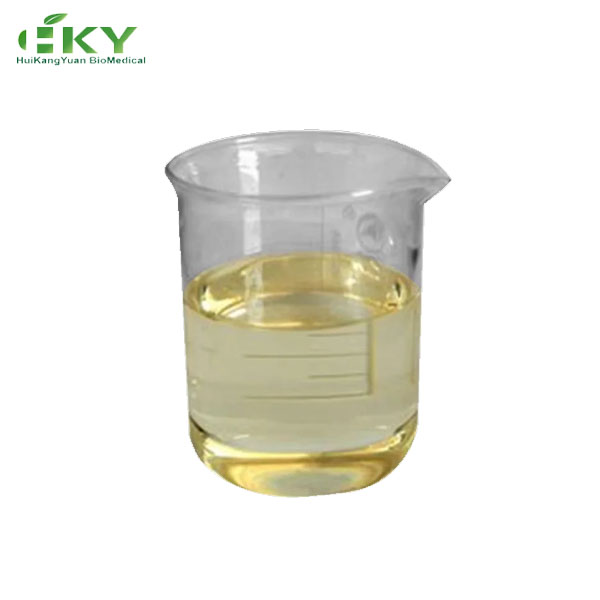
Appearance: White to off-white crystalline powder
Odor: Slight characteristic odor or odorless
Purity: ≥99.0%
Melting Point: 64–68°C
Shelf Life: 24 months
Storage: Store in cool, dry, well-ventilated area, keep sealed, protect from light and moisture
Iodopropynyl Butylcarbamate, IPBC, cosmetic preservative, broad spectrum preservative, anti-fungal preservative, paraben alternative, formaldehyde free preservative, rinse off preservative, leave on preservative, cosmetic ingredient
Iodopropynyl Butylcarbamate (IPBC) -CAS 55406-53-6
Iodopropynyl Butylcarbamate, commonly known as IPBC, is a highly effective broad-spectrum cosmetic preservative renowned for its exceptional antifungal and anti-yeast activity. As one of the most widely used preservatives in the global cosmetics industry, IPBC offers excellent protection against mold, yeast, and gram-positive bacteria at very low concentrations, typically ranging from 0.005% to 0.02%. Its unique mechanism of action involves the iodine group disrupting microbial cell membranes and enzyme systems, providing rapid and long-lasting antimicrobial efficacy. IPBC is stable across a wide pH range (3.0–10.0) and compatible with most cosmetic ingredients, making it suitable for a diverse range of formulations from shampoos and body washes to creams and serums. It is particularly valued for its superior fungal protection, a common challenge in water-based cosmetic products. As a paraben-free and formaldehyde-free preservative option, IPBC meets the growing consumer demand for safer, more modern preservation systems while maintaining robust product protection against microbial contamination throughout the product shelf life.

Key Benefits
• Exceptional antifungal efficacy: Highly effective against yeast and mold, solving common fungal contamination issues
• Broad-spectrum protection: Works against fungi, yeast, and gram-positive bacteria
• Low usage concentration: Effective at 0.005%–0.02%, cost-efficient and gentle
• Wide pH stability: Stable from pH 3.0 to 10.0, suitable for all types of formulations
• Excellent compatibility: Works with most cosmetic ingredients and other preservatives
• Paraben-free and formaldehyde-free: Modern alternative to traditional preservative systems
• Thermally stable: Withstands typical cosmetic manufacturing temperatures up to 80°C
• Colorless and odorless: Does not affect product appearance, color, or fragrance
• Low irritation: Very mild at recommended use levels, good skin compatibility
Applications
• Shampoos and hair cleansers: Recommended usage 0.005%–0.02%, rinse-off category
• Body washes and shower gels: Recommended usage 0.005%–0.02%, rinse-off category
• Facial cleansers and face washes: Recommended usage 0.005%–0.02%, rinse-off category
• Hand soaps and liquid soaps: Recommended usage 0.005%–0.02%, rinse-off category
• Face creams and lotions: Recommended usage 0.005%–0.01%, leave-on category
• Serums and essences: Recommended usage 0.005%–0.01%, leave-on category
• Hair conditioners and hair masks: Recommended usage 0.005%–0.015%
• Facial masks (sheet and rinse-off): Recommended usage 0.005%–0.01%
• Foundations and color cosmetics (non-lip): Recommended usage 0.005%–0.01%
• Deodorants and antiperspirants: Recommended usage ≤0.0075%, per regulatory limits
Certificate Of Analysis (COA)
Test Item | Standard Requirement | Test Result | Test Method |
Appearance | White to off-white crystalline powder | Complies | Visual inspection |
Identification (IR) | Conforms to reference spectrum | Complies | FT-IR |
Purity (Assay) | ≥99.0% | 99.5% | HPLC |
Melting Point | 64–68°C | 66.2°C | Melting point apparatus |
Loss on Drying | ≤0.5% | 0.18% | Gravimetric method |
Residue on Ignition | ≤0.1% | 0.04% | Gravimetric method |
Color (APHA, 10% ethanol) | ≤50 | <20 | Colorimetry |
pH Value (1% aqueous dispersion) | 4.0–7.0 | 5.6 | pH meter |
Free Iodine | Complies | Complies | Titration |
Heavy Metals (as Pb) | ≤10 ppm | <5 ppm | ICP-MS |
Arsenic (As) | ≤2 ppm | <0.5 ppm | ICP-MS |
Lead (Pb) | ≤5 ppm | <1 ppm | ICP-MS |
Total Aerobic Count | ≤100 CFU/g | <10 CFU/g | GB 4789.2 |
Mold & Yeast | ≤10 CFU/g | <10 CFU/g | GB 4789.15 |
E. coli | Absent | Absent | GB 4789.3 |
Conclusion | Complies with cosmetic grade specifications | ||
Frequently Asked Questions (FAQ)
Q1: What are the regulatory limits for IPBC in China and the EU?
A: In China, IPBC limits are: rinse-off products max 0.02%, leave-on products max 0.01%, deodorant/antiperspirant max 0.0075%. It is prohibited in lip products, body creams/lotions (leave-on), oral care, and products for children under 3 years old. In the EU, the limits are similar: max 0.02% rinse-off, max 0.01% leave-on, with the same product type restrictions. Always check the latest regulatory updates for your target market.
Q2: How does IPBC compare to parabens as a preservative?
A: IPBC offers superior antifungal activity compared to parabens, especially against yeast and mold. It works at much lower concentrations (0.005%–0.02% vs 0.1%–0.4% for parabens) and is paraben-free, meeting modern consumer preferences. However, IPBC is less effective against gram-negative bacteria, so it is often combined with other preservatives like phenoxyethanol or ethylhexylglycerin for full broad-spectrum protection. It is also more expensive per kilogram but more cost-effective at use levels.
Q3: How do I dissolve IPBC and add it to my formulation?
A: IPBC is slightly soluble in water but readily soluble in alcohols and glycols. Best practice is to pre-dissolve it in propylene glycol, butylene glycol, or ethanol first, then add to the formulation. It can be added at any stage but is typically added during the cool-down phase (below 60°C) for heat-sensitive formulations. For aqueous systems, ensure good agitation to avoid localized high concentrations. Always verify compatibility with your specific formula through challenge testing.
Q4: Is IPBC safe? Does it release formaldehyde or cause allergies?
A: IPBC does not release formaldehyde and is not a formaldehyde donor. It is considered safe at approved use levels by global regulatory bodies including China NMPA, EU SCCS, and US CIR. While rare cases of contact allergy have been reported, the incidence is very low at recommended concentrations. It is not classified as a skin sensitizer at typical use levels. As with any cosmetic ingredient, proper usage within regulatory limits ensures consumer safety.
Q5: What compliance documents and certifications are available?
A: Batch COA, SDS/GHS safety data sheet, Certificate of Origin, China Cosmetic Ingredient Inventory confirmation (No. 01929), technical data sheet, heavy metal and microbiological test reports, purity assay report (HPLC), and residual solvent test report. HALAL and KOSHER certifications may be available from certain suppliers. The ingredient is listed in both EU Annex V and China's approved preservative list, supporting global market access.
Q6: What is the shelf life and are there any storage or stability concerns?
A: Shelf life is 24 months in original sealed packaging. Store in a cool, dry, well-ventilated area away from direct sunlight and heat. IPBC is stable across pH 3–10 and can withstand temperatures up to 80°C, making it suitable for most cosmetic manufacturing processes. Avoid prolonged exposure to high temperatures above 80°C. It is compatible with most cosmetic ingredients but should be tested for compatibility with strong oxidizing agents. Always conduct stability testing in your specific formulation.
Contact Us
💌 Contact us today for technical data, formulation guidance, and competitive pricing! E-mail:
You Might Also Like
1.ur Products A full range of high-quality cosmetic raw materials, including plant extracts, natural active ingredients, skin care actives and formulation additives. Stable supply & strict quality control.